Latest in Foreign Relations & International Law
-

Should the United Nations Administer Post-Conflict Gaza?
Establishing a UN trusteeship in Gaza would be a mistake. -
When Aiming for Your Adversary’s Achilles Heel May Lead to Shooting Yourself in the Foot
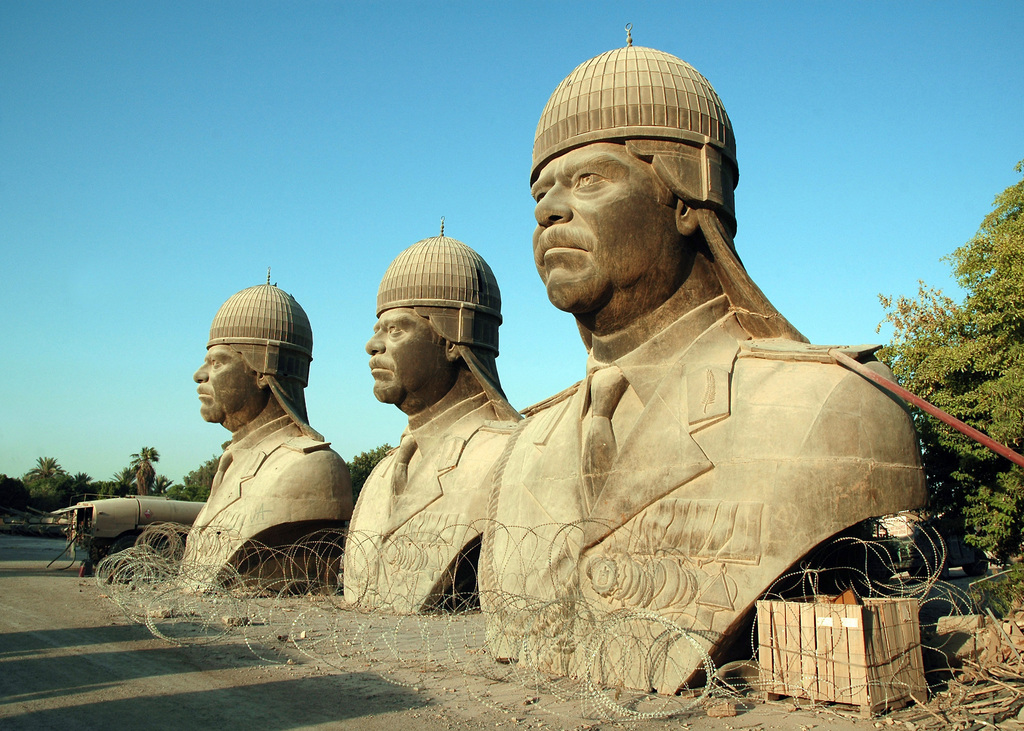
A review of Steve Coll, “The Achilles Trap: Saddam Hussein, the CIA and the Origins of America’s Invasion of Iraq” (Penguin Random House, 2024) -
Lawfare Daily: Michael Beckley and Arne Westad on the U.S.-China Relationship
Discussing what the best path forward for a productive U.S.-China relationship. -
How America’s Aid to Ukraine Actually Works
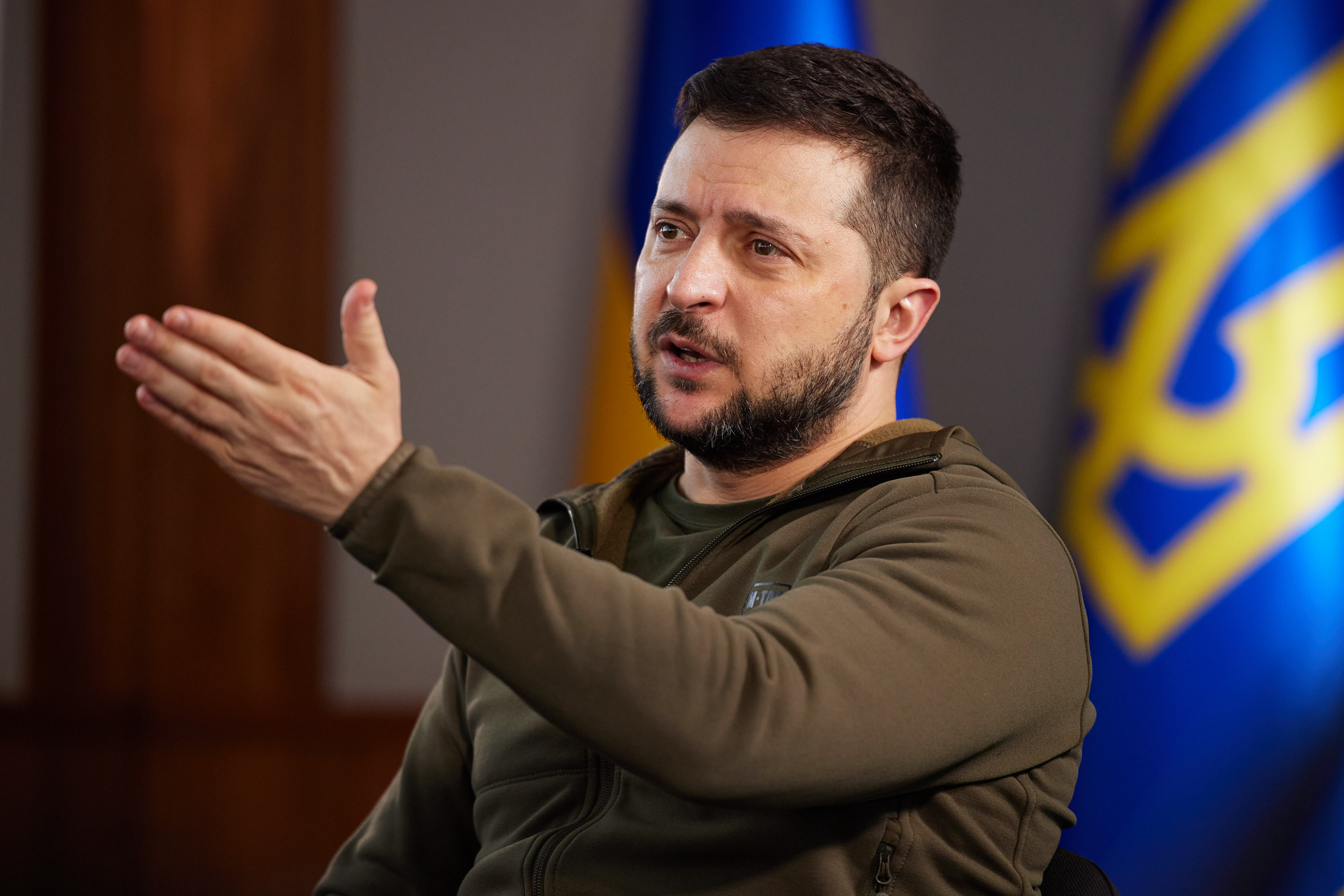
Only a small percentage of the overall aid package takes the form of cash transfers to Kyiv; the vast majority goes right back into the U.S. economy. -
Chatter: Politics and National Security in the Star Wars Universe, with Chris Kempshall
Discussing the lore of Star Wars. -
Facts Matter: A Critical Analysis of the ICJ’s Fact-Finding Approach
The upcoming release of the Palestine Advisory Opinion may raise significant questions about how the International Court of Justice establishes the facts on which an alleged breach of the law is made. -
ChinaTalk: Sen. Young on Tech Legislation
-
Geography Is a Dealbreaker for Coalition Building in Asia
The countries that the United States is trying to rally together are too dispersed to share the same security concerns. -
Rational Security: The “Pétanque-a-Donk” Edition
This week, Quinta Jurecic and Scott Anderson were joined by Tyler McBrien and Eric Ciaramella to talk over all the national security news. -
Lawfare Daily: What China Thinks of Military AI with Sam Bresnick
How concerned should we be about China's use of AI in war? -
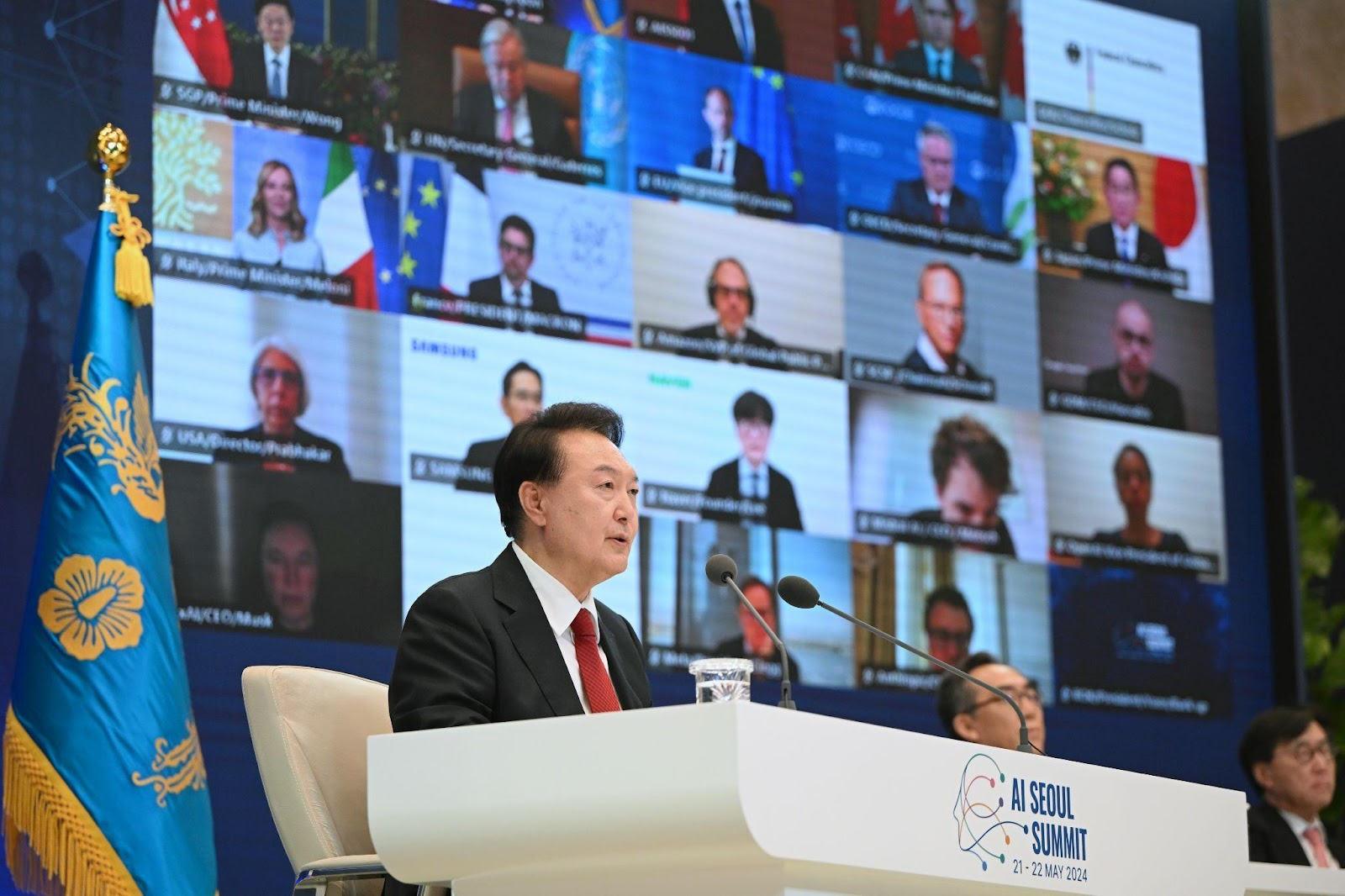
Chips for Peace: How the U.S. and Its Allies Can Lead on Safe and Beneficial AI
The United States and its democratic allies can lead in AI and use this position to advance global security and prosperity. -
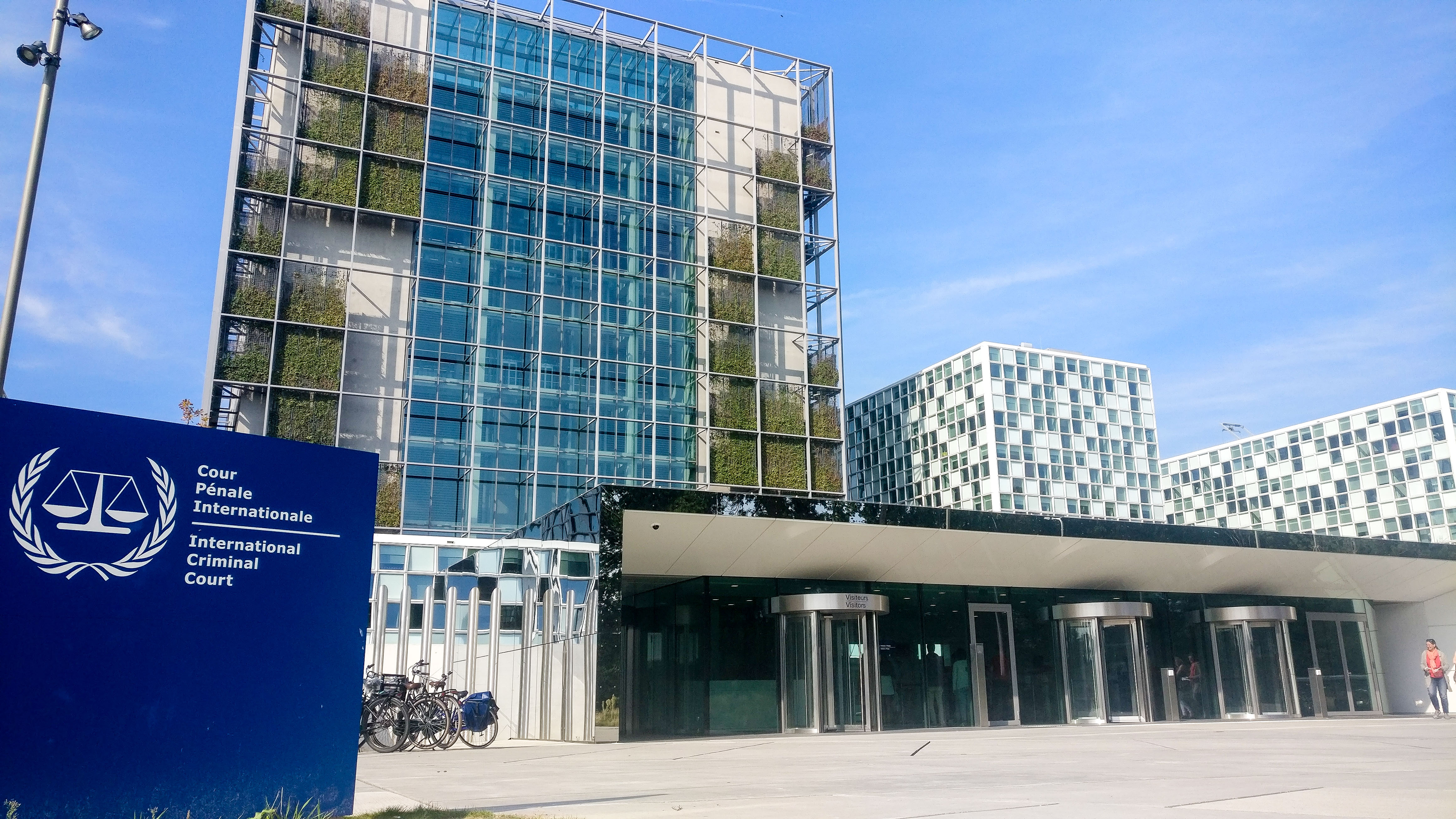
ICC Prosecutor Tapped External Panel to Review Evidence: Is That Even Allowed?
Neither the Rome Statute nor fundamental fairness evidently permitted the ICC prosecutor to instruct an external panel of legal experts he assembled to review evidence he used to support his applications...







Topics