Latest in Surveillance & Privacy
-

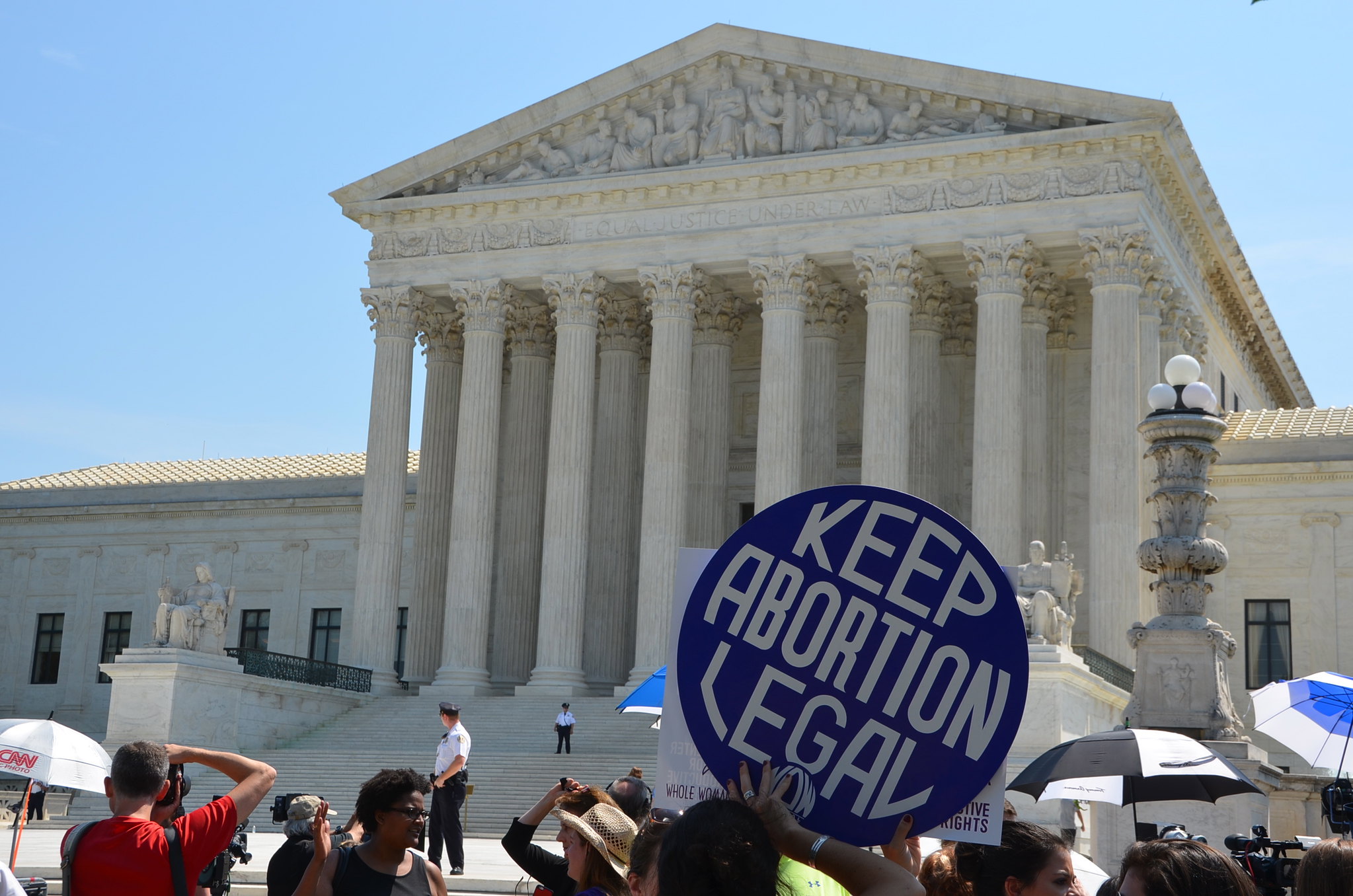
The Impotence of the Fourth Amendment in a Post-Roe World
If Roe is overturned, criminal investigations into women’s reproductive decisions enabled by modern technologies and the sensitive, intimate data these technologies capture would constitute an unique ext... -
The Bipartisan, Bicameral Privacy Proposal Is a Big Deal
The American Data Privacy and Protection Act would provide numerous substantive privacy protections that are long overdue. -
What Do Transparency and Data Sharing Really Mean?
Transparency reporting and data sharing aren’t the same. They aren’t even the right words. -
Reinventing Cambridge Analytica One Good Intention at a Time
Europe’s new Digital Markets Act is in tension with the General Data Protection Regulation, and the practical impact may be bad for privacy and competition. -
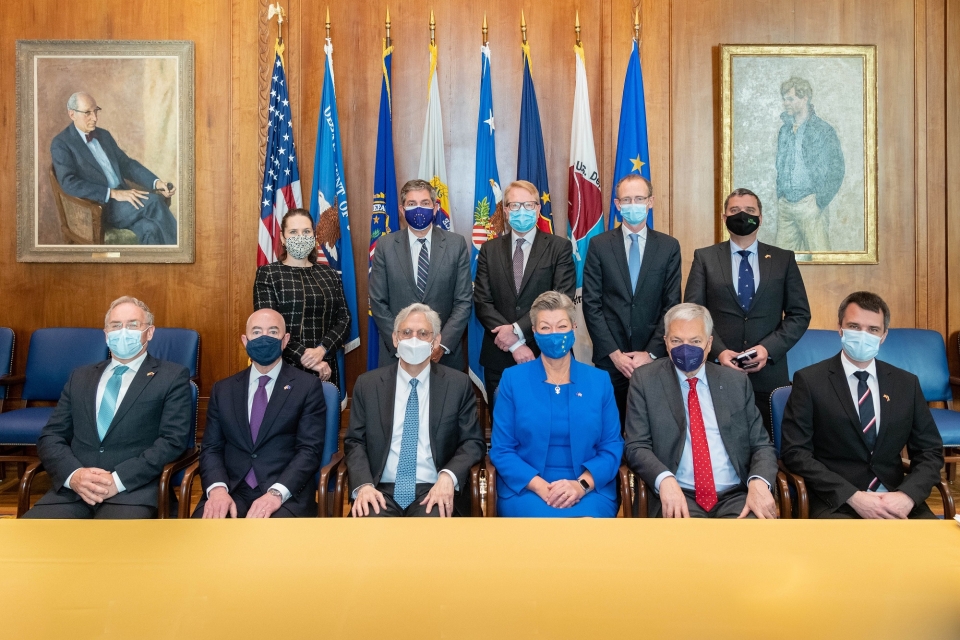
Has the Time for an EU-U.S. Agreement on E-Evidence Come and Gone?
A legislative deadlock in Brussels risks the future of U.S.-EU negotiations. -
Examining State Bills on Data Brokers
The laws already in California and Vermont do not put any meaningful controls on companies selling, licensing and otherwise sharing Americans’ sensitive data on the open market—and the new bills are no d... -
New Statistics Confirm the Continuing Decline in the Use of National Surveillance Authorities
Here is an explainer of the data presented in three intelligence community reports released in April regarding the continuing decline in the use of national surveillance authorities over the past two yea... -
Privacy Shield 2.0 —Third Time’s the Charm?
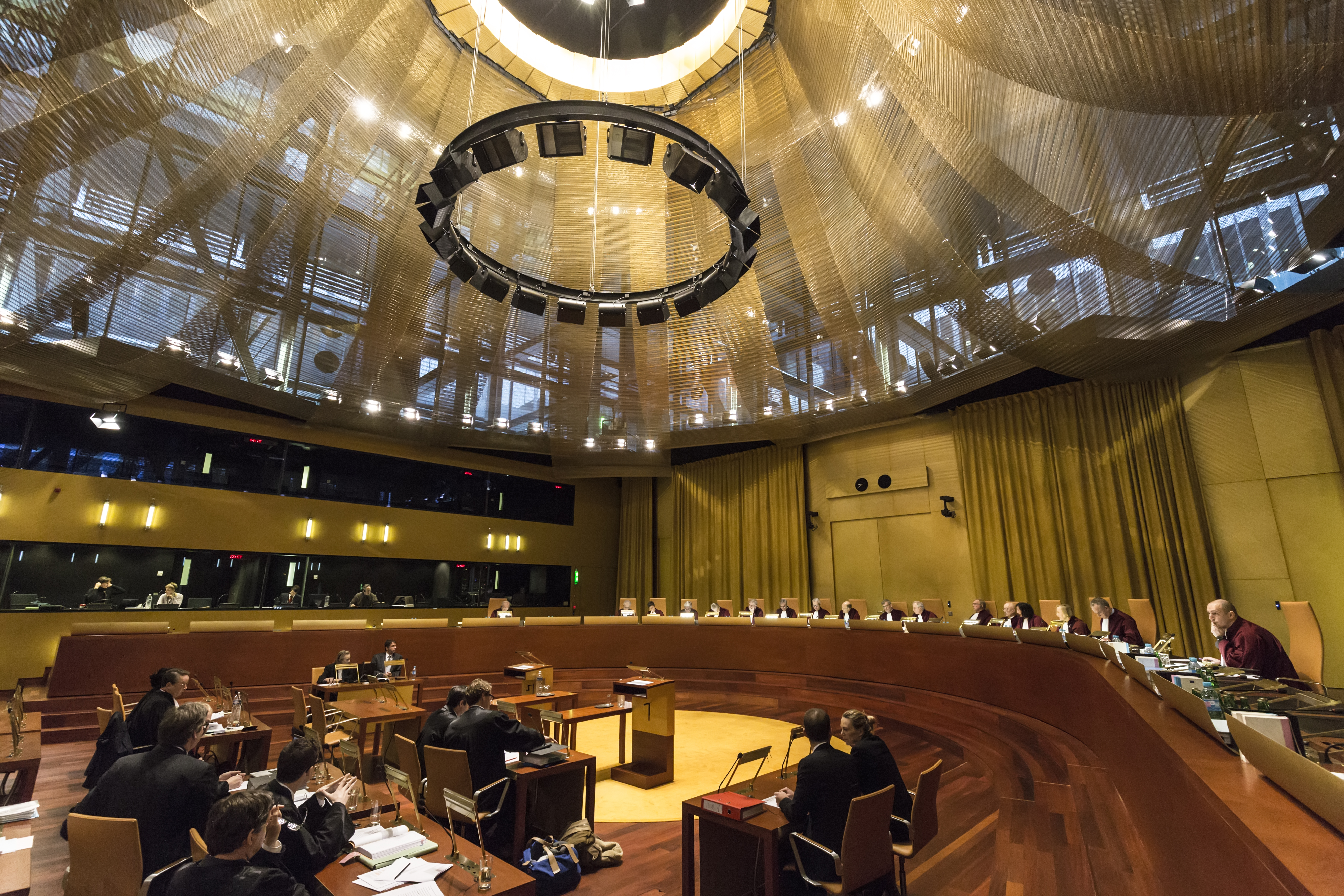
What commitments has the United States made in the recent Trans-Atlantic Data Privacy Framework? And will those reforms be enough to pass muster when this next agreement goes before the Court of Justice ... -
The Chatter Podcast: The Art of the Security State with Trevor Paglen
This week on Chatter, Shane Harris speaks to artist Trevor Paglen, who explores themes of surveillance, security, and secrecy. -
Director of National Intelligence Releases Annual Transparency Report
-
Platform Transparency Legislation: The Whos, Whats and Hows
Congress is considering major proposals that seek to provide greater transparency from social media companies. -
Supreme Court Rules in FBI v. Fazaga
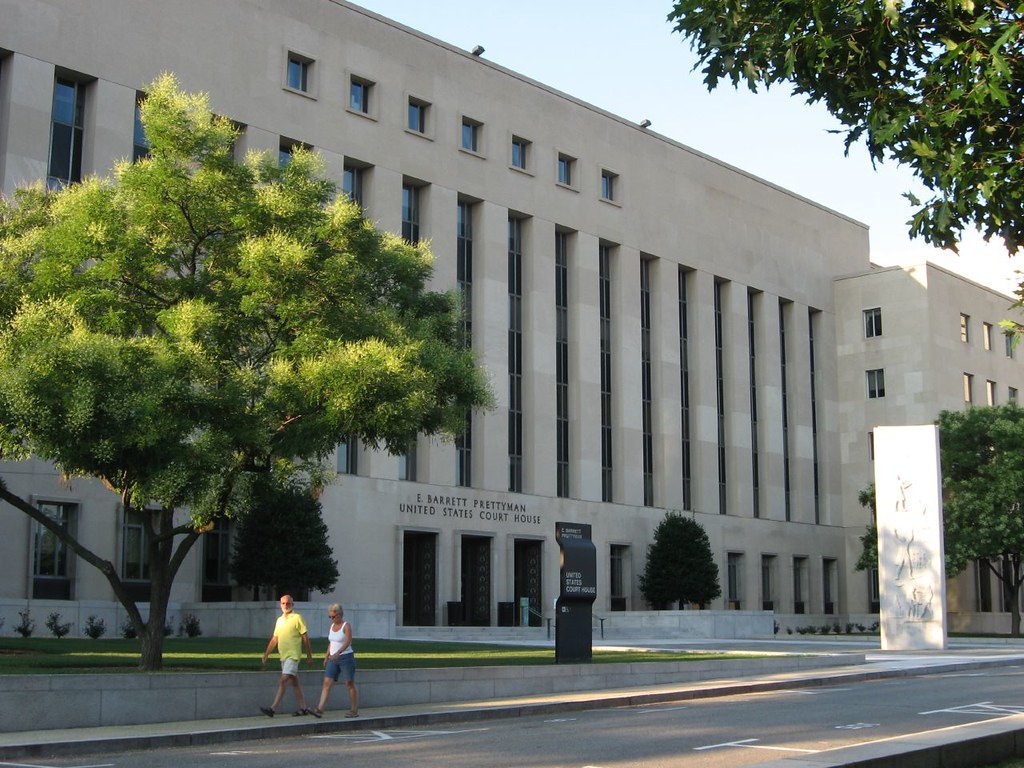
The Supreme Court unanimously held that the Foreign Intelligence Surveillance Act does not displace the state secrets privilege.



Topics