-
Lawfare’s weekly roundup of event announcements and employment opportunities.
-
In November 1919, President Woodrow Wilson made a self-defeating decision.
-
A Foreign Intelligence Surveillance Court opinion documents improper use of the FBI’s 702 database.
-
The government’s requests are aggressive and, extrapolating from judges’ previous sentencing practices, unlikely to be accepted in full.
-
Can the liberal international order survive the strategy to save it?
-
-
Thoughts on Gonzalez, Taamneh, and the future of Section 230.
-
The Supreme Court ruled that the social media companies are not liable for ISIS attacks that victims’ families claimed resulted from algorithms promoting terrorist content on their platforms.
-
-
Think about the world. You might be picturing a globe in a classroom, with its patchwork of multi-colored nations. But what if that’s only part of the story?
-
-
This week, Alan and Scott were joined by co-host emeritus (and Washington Post star reporter) Shane Harris to talk over the week's news.
-
The companion cases mark a major decision in platform liability for terrorist material hosted on their services.
-
Fortunately for Bragg, there are good reasons to conclude that the elected president was not an “officer of the United States.”
-
Russian MK companies were created to help Russian oligarchs and companies evade sanctions. This is how they do it.
-
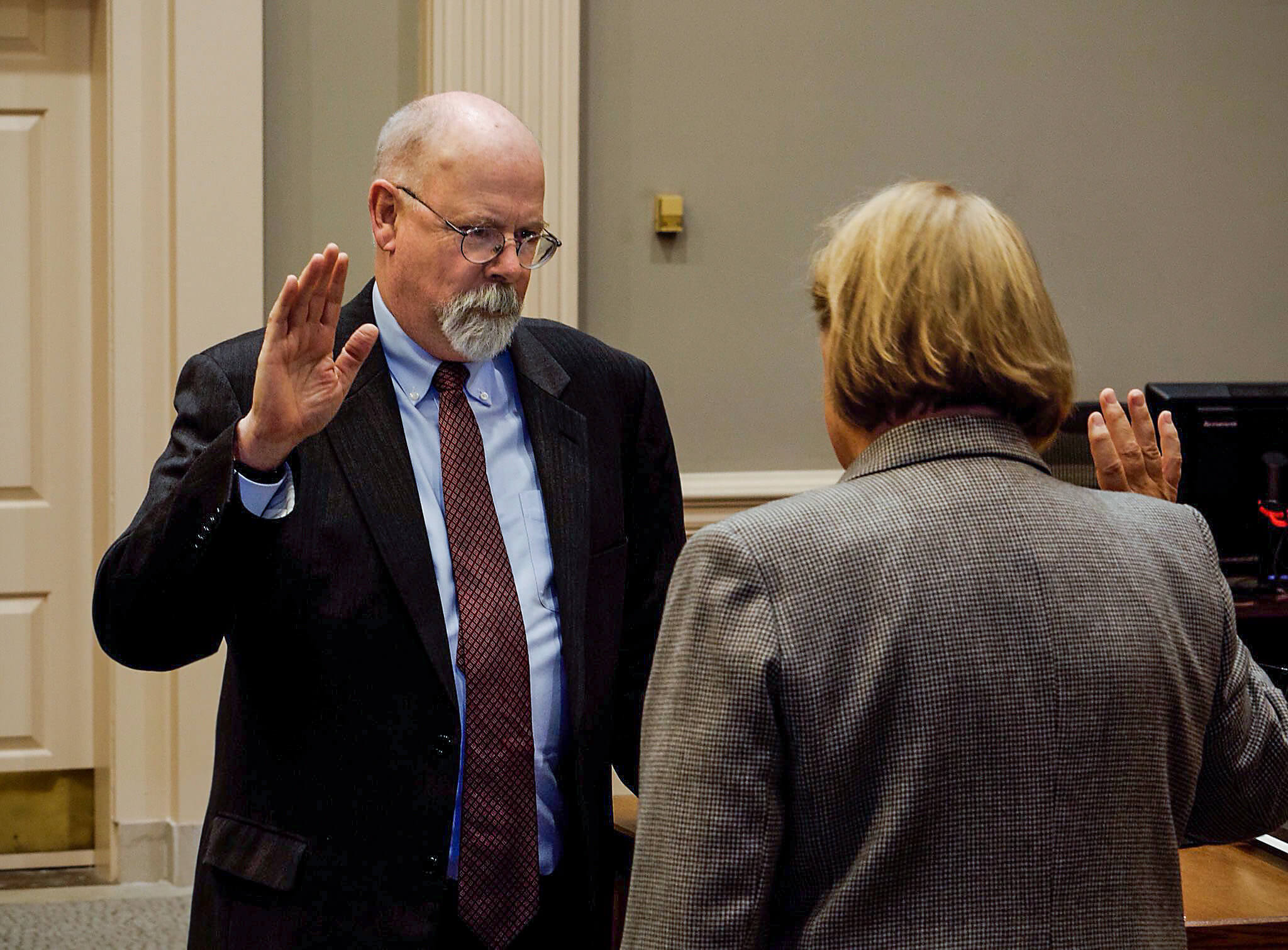
A section-by-section analysis of the “Report on Matters Related to Intelligence Activities and Investigations Arising Out of the 2016 Presidential Campaigns” of May 12, 2023.
-
The House’s select committee on Jan. 6 may have wound down its work at the end of December 2022, but questions about why law enforcement, including the U.S. Capitol Police, were unprepared for the possib...
-
Leading up to its hosting of the G-7 summit this week, Japan has weaved together economic statecraft and proactive security diplomacy to reinvent itself as a network power.
-
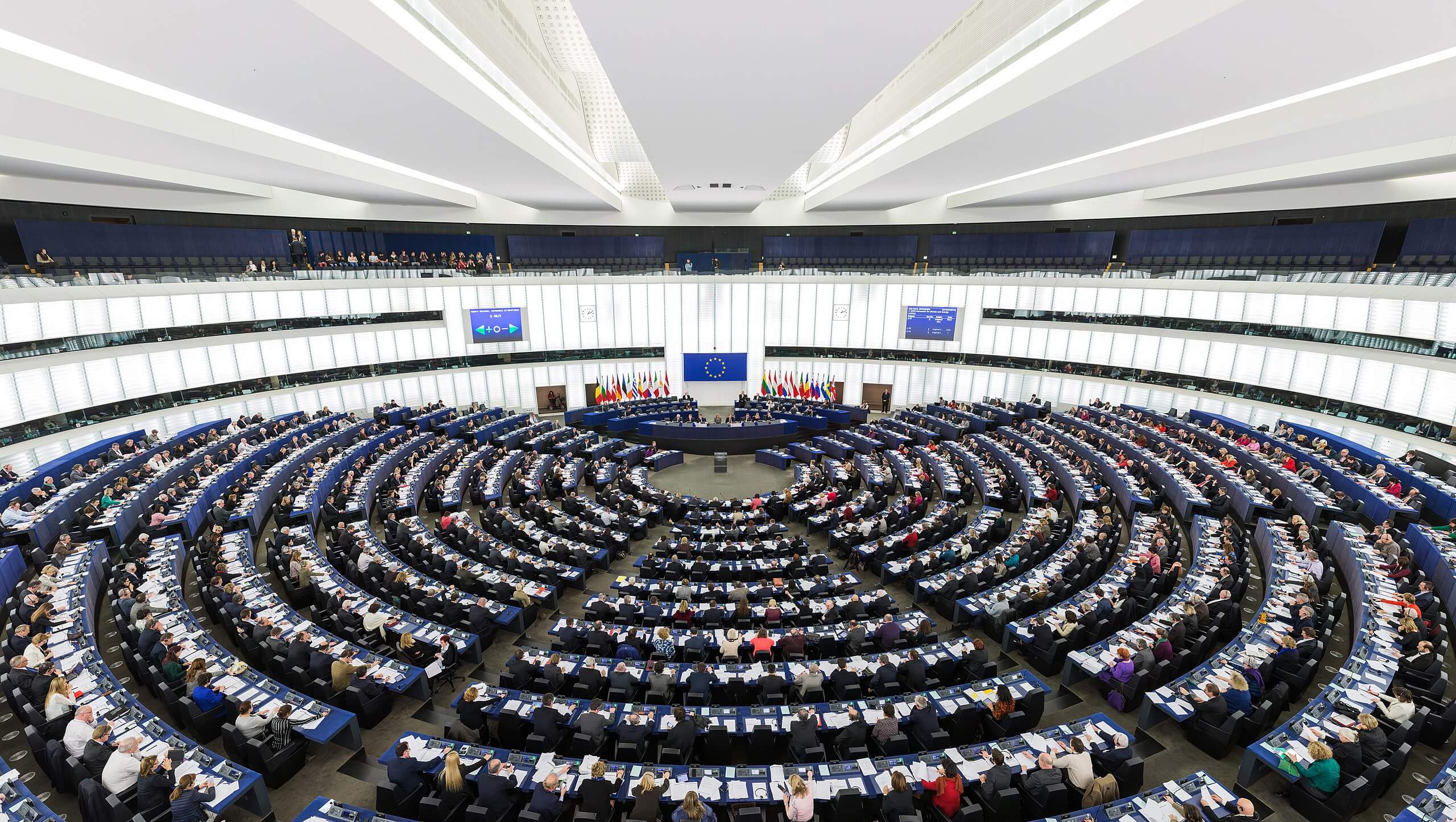
After a yearlong inquiry, the European spyware committee calls for stronger regulation, improved export controls, and new initiatives to control the proliferation of spyware tools.
-
In recent years, the Supreme Court's non-merits “shadow docket” has become a topic of contestation and controversy, especially the Court's emergency orders rulings on issues ranging from immigration to a...




5fb0df31-eed1-4934-9d24-afe6bce8a2c6.jpg?sfvrsn=9b4cc490_3)
.jpg?sfvrsn=c0407039_3)
-).jpg?sfvrsn=5f8fac12_3)
.jpg?sfvrsn=d7f3113b_3)
.jpeg?sfvrsn=2b9c6575_1)




-(1)-(1).png?sfvrsn=1bc11cd_4)
