Lawfare Daily: “I’m angry that I exist”: Nihilistic Violent Extremism with Seamus Hughes and Jacob Ware
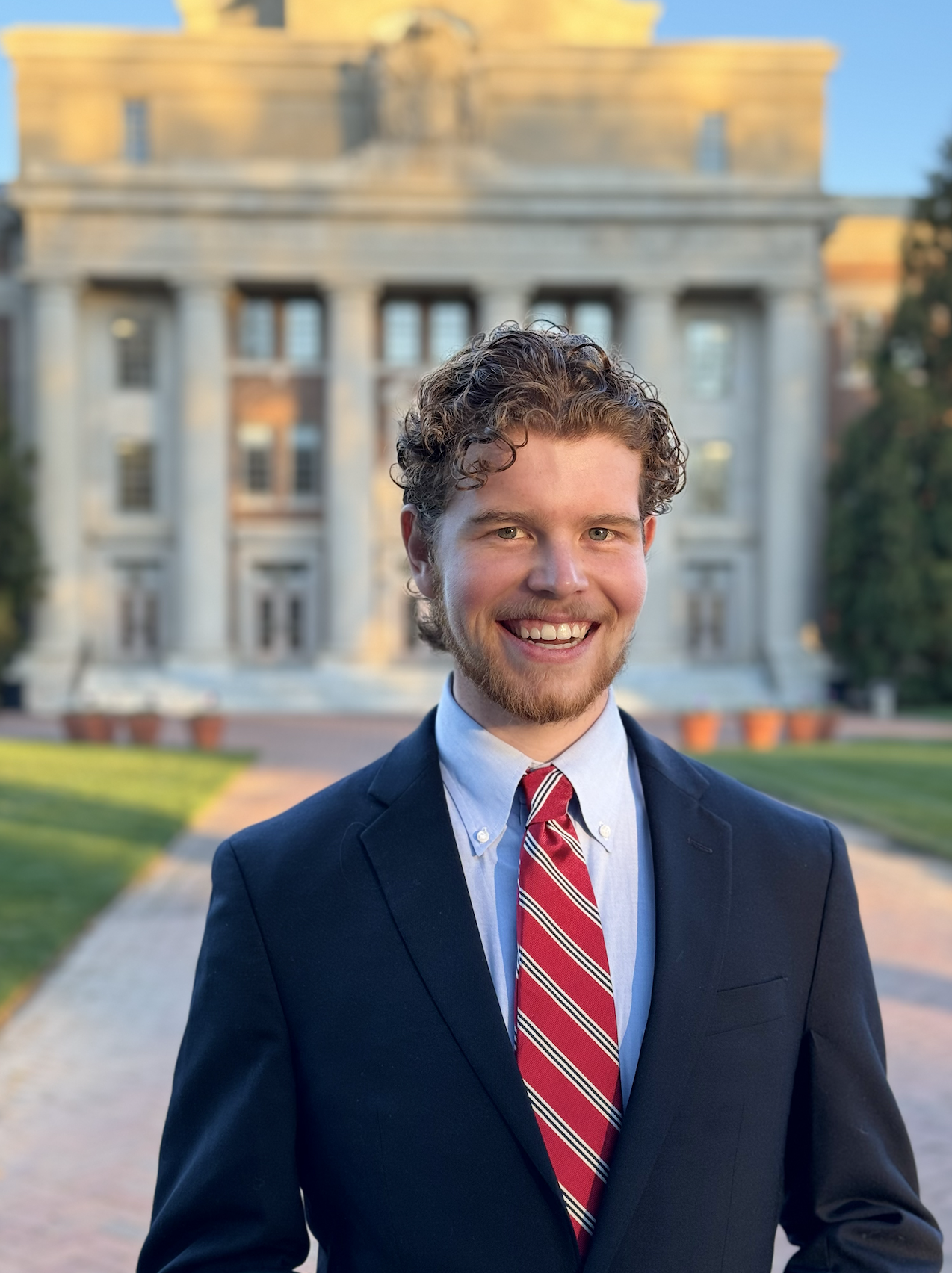
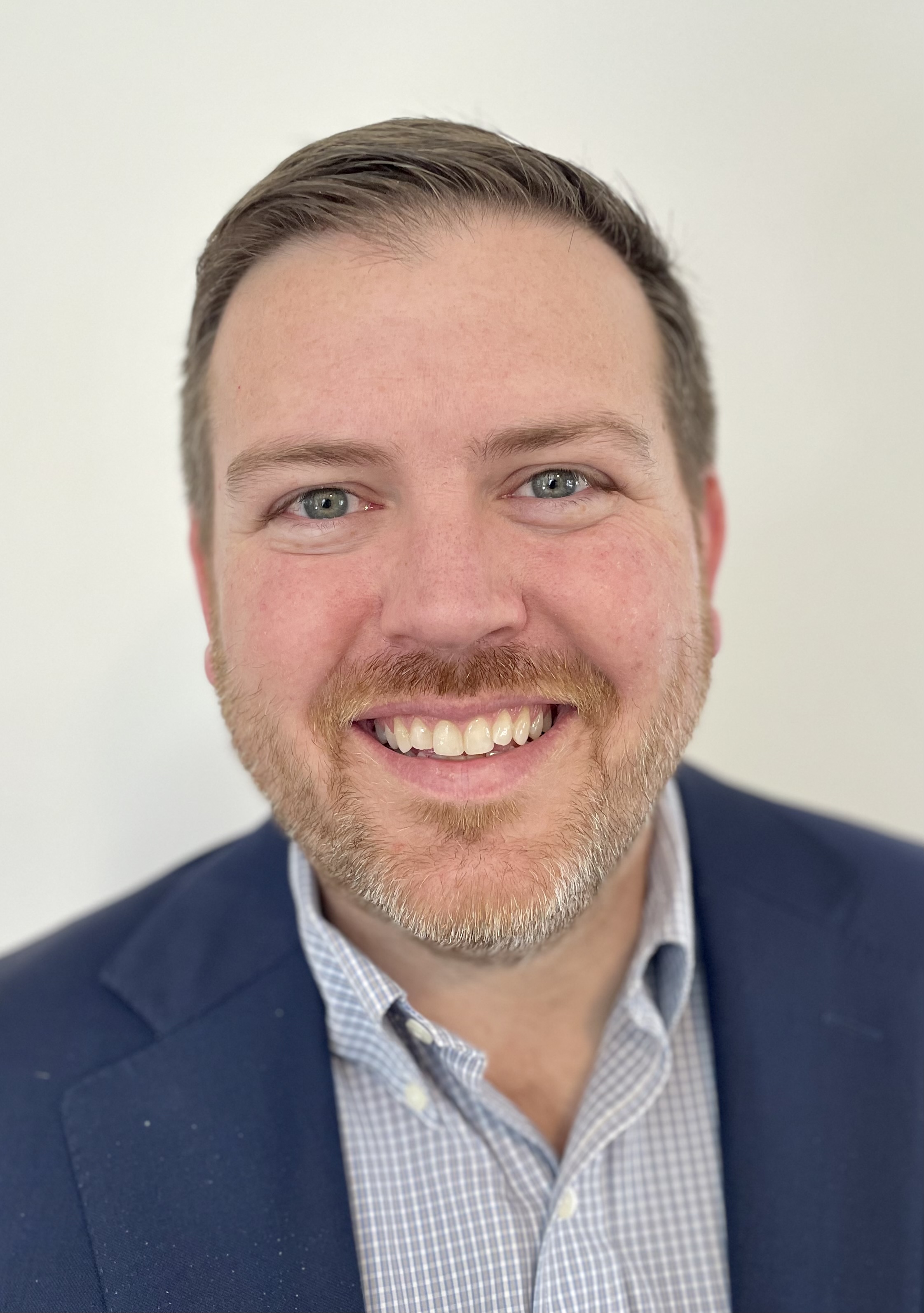

Seamus Hughes, a senior research faculty member at the University of Nebraska-Omaha’s National Counterterrorism Innovation, Technology, and Education Center and a contributing editor at Lawfare, and Jacob Ware, the author of “God, Guns, and Sedition” and a recent Lawfare foreign policy essay on nihilistic violent extremism (NVE), join Lawfare Associate Editor Peter Beck to discuss the FBI’s new NVE classification, the online terror group 764, challenges counterterrorism professionals face with a younger set of aspiring terrorists, and more.
Content Warning: This episode contains discussions of sexual violence and acts of violent extremism, including against children. Listener discretion is advised.
To receive ad-free podcasts, become a Lawfare Material Supporter at www.patreon.com/lawfare. You can also support Lawfare by making a one-time donation at https://givebutter.com/lawfare-institute.
Click the button below to view a transcript of this podcast. Please note that the transcript was auto-generated and may contain errors.
Transcript
[Intro]
Jacob Ware: So they
will, they will trace the kind of ideological or radicalization pathway to an
individual. They'll meticulously study their tactics, targeting their acts of
violence, and then they'll seek to copy them. Or, you know, in, in the kind of
crude online pilots, they'll seek to beat their high score or beat their kill
count.
Peter Beck: It's the Lawfare
Podcast. I'm Peter Beck, associate editor at Lawfare with Lawfare
Contributing Editor and senior research faculty member at the University of
Nebraska at Omaha National Counter-Terrorism Innovation, Technology and
Education Center, Seamus Hughes and Jacob Ware, the co-author of “God, Guns, and
Sedition.”
Seamus Hughes: The
ideology is, is almost a simple one, which is, nothing matters o,n on this
because the world is absolutely jacked up. And we can do whatever we want.
'cause it doesn't matter anymore. Nothing's gonna change unless we do
something. And if we do something, if it changes all the better. But if it
doesn't, who cares?
Peter Beck: Today
we're talking about the rise of cases classified by the FBI as nihilistic
violent extremism, or NVE, and the online terror group, 764.
Peter Beck: So Jacob,
why don't we start with you. Could you tell us a little bit about where this
term nihilistic violent extremism is coming from and how the FBI came up with
it?
Jacob Ware: The term
nihilistic violent extremism first appeared in court documents about a year
ago, March, 2025, with regards to a case involving an individual by the name of
Nikita Casap, who had murdered his parents and kind of embarked on a, a spree
with the end goal of killing President Trump to stop a race war.
The language that the FBI uses, the definition they've used is
that NVEs are individuals who engage in criminal conduct within the United
States and abroad in furtherance of political, social, or religious goals that
derived primarily from a hatred of society at large. A desire to bring about is
collapsed by sowing, indiscriminate chaos, destruction, and social instability
every time.
It seems to me, and and Seamus can weigh in on this, it seems
every time that an official at the FBI speaks publicly about this movement and
about the cases they've got, the number seems to rise. So it's pretty, it's
pretty clear that this is emerging as a major priority for the, for them. Now,
I think we see that in our cases as well, on the non-government side.
Seamus Hughes:
Jacob's absolutely right. So I mean, listen, you look at this like evolution of
the term. I would think of it like, you know, the FBI director, Kash Patel
talked about some hundred active investigations, like a few a year ago. I think
they're at 425 as of last week, and I think next week it'll be 550.
Right? There's a twofold thing happening at the same time.
Right? One is a increase or a rise of kind of largely online groups that are
nihilistic in nature in terms of just wanna watch the world burn and cause as
much chaos as humanly possible. And also a hesitation of still using the term
domestic terrorism in this new administration.
And so you kind of mix those all together and you see kind of a
rise in cases. So this is not to say the numbers are, are clearly going up and
there's cases going up and they're heinous cases of it. But it's also just a,
a. somewhat a reflection of a new administration, kind of, working their way
through new terminology and things like that. And also a bureau that's just
trying to understand like how to wrap their head around what the hell's going
on on this.
Right, like it is confusing, understandably so to be, to look
at a, a case of a 15-year-old kid who's doing horrible things to another
15-year-old kid in the name of nothingness. Right, the name of doing it just to
do it. And so law enforcement's really grappling with one, like, how do we
quantify this? And two, is this kind of new and emerging or something
different?
Peter Beck: Yeah.
Seamus, could you elaborate on that a little bit and talk about the kind of
past domestic terrorism classifications and how the bureau uses them?
Seamus Hughes: Yeah,
so I mean, so the, in the past, you know, domestic terrorism has all–domestic
terrorism and nihilistic violence extremism kinda share the same bedfellows
because it's always a catchall phrase. I mean, that domestic terrorism in, in
the Biden administration or even the previous Trump administration would
encompass far-left extremism, far-right extremism, neo-Nazis, anti-abortion,
pro-abortion, environmental rights, like you name it, that would kind of all
catch and then catch all phrase of domestic terrorism.
And then you had the other phrase of, of international
terrorism or foreign terrorism or homegrown violent extremism, which would be
kind of the traditional ISIS, Al-Qaeda, Al-Shabaab type of world of it. We have
seen, and, and Jacob was absolutely right, so this kind of first instance of
showing up in, in legal documents was in, in March of last year. And what we
find now is you'll kind of trace the, the evolution of the, the, the uses of it
in legal terms is actually, is a very good way to under understand the, within
the bureau.
It sometimes means they're looking, when they talk about
nihilistic violent extremism, they might need me talking about someone who's
trying to set a Tesla dealership on fire 'cause they were upset about Elon Musk
and DOGE. And then sometimes it may mean a member who's part of 764 or, or an
online exploitation group.
What I think we, if it's fair to say, is you look at the kind
of ebb and flow of it, nihilistic violent extremism, I think is largely now a
placeholder for this idea of a 764 or the Com, or a true crime community type
of network. And then those other groups, whether it be far right, far left,
would be into a different category now.
Peter Beck: Yeah.
Jacob, in a recent for law, you talked about these two different groups of
nihilistic violent extremists and they fall into the true crime community and
then more of the 764s. Could you talk about what those groups are, what the
individuals are involved and that sort of thing?
Jacob Ware: Sure.
Well, well first I would just echo what Seamus pointed out, which is I think
the danger and opportunity with, with a term like NVE, is it, it is going to
become a capsule. It is already becoming that way.
So part of what I was trying to, to get at, at, in that Lawfare
piece that came out I think in December was, was trying to assess how this
term might actually address trends or themes or topics or groups, actors that
have been around since long before March, 2025 in cells, school shooters, for
example.
I, I think those actually have a, have a place in this, in this
space. I wrote there that there are two big categories. I mean the easy one is
the 764, and I think that is the kind of category that's gotten more attention.
This is a very strange, very chaotic very cruel online network that combines
kind of elements of white supremacy, satanism, and true nihilism with basically
ritualized child sexual exploitation.
And so the point is, as far as I can tell, is to identify
vulnerable individuals, usually young people, often young girls, and try to
coerce them into acts of sexually explicit self-harm, up to and including
suicide for the, the celebration and the enjoyment of members of the group.
And so, it's a really interesting kind of movement or, or, or
issue in part because, you know, we both come from the counter-terrorism world,
and so this is quite upsetting both personally, you know, emotionally, but also
just kind of in terms of our categories, in terms of our bureaucracies, because
this is also a child sexual abuse material issue. In fact, it might even
primarily be a child sexual abuse material, not a counter-terrorism issue. And
so it is very confusing and upsetting.
The other category, and the one that I perhaps worry about more
from a counter-terrorism standpoint is what, what both you, Peter and Seamus
mentioned, which is something called the true crime community. And these, this
is basically an online space, an online culture that celebrates violent
predecessors, school shooters, sometimes terrorists, lionizes them and you
know, in the extreme cases seeks to replicate them.
So they will, they will trace the kind of ideological or
radicalization pathway to an individual. They'll meticulously study their
tactics, targeting their acts of violence, and then they'll seek to copy them.
Or, you know, in, in the kind of crude online pilots, they'll seek to beat
their high score or beat their killed count some of notorious incidents from
this movement include the December, 2024 Abundant Life School shooting in
Madison, Wisconsin.
She has become a bit of a, of an exemplar. I, I think I would
say she's today, with the exception of the Columbine shoots, as she's probably
the most significant figure in the true crime community. Obviously, she, she
died. Antioch High School in Nashville, January, 2025. Annunciation Catholic
Church shooting August, 2025 in Minneapolis, and Evergreen High School,
September, 2025 Evergreen, Colorado.
The Institute for Strategic Dialogue, which is a, a kind of a
think tank and do tank in the extremism space, in October, they identified 16
attacks or plots, I think since the beginning of 2024, inspired by this true
crime community, all targeting schools. And this was another point I tried to
make in that Lawfare piece that you mentioned, the idea that the
violence that we're seeing, the violent tip of the spear, of the nihilistic
violent extremist movements has largely targeted schools.
And that is, I think, a really important thing for us to
consider from the law enforcement and the counter terrorism perspective as
well.
Seamus Hughes: And
Jacob might disagree with me on this, but you know, I, I think they're
targeting schools for two reasons. One is that's the age demographic, right, of
the shooters, right? So they're in the schools, they understand the schools and
things like that. But probably more important than all of that is that a lot of
these folks look at this and say, okay, if I commit a school shooting, it's
more likely to get as much publicity, much more publicity than if I committed
an attack in a mall.
Right. Because it focuses on the most vulnerable of it, and
there is a trolling aspect of this, right? So if you look at the kind of
manifestos of, of the school shooters, a lot of them will copy and paste the
last guys manifesto, right? Or, and then you'll see ones that are completely
kind of have disparate ideological beliefs, right? So in one sentence they'll
talk about how important gun rates are.
In the second one, they'll talk about how everyone should have
all their guns taken away. And some of that is just an entirely set up to upset
the system, right? In order to get the, the right and the left on X or Bluesky
or whatever to say, oh, that's your guy. It's not our guy. Because see that,
that page of that manifesto, and this is your problem, you need to figure it
out. It's trying to get as much energy and eyeballs on it. Right?
And so, you know, this, this idea that Jacob talked about of
like running up the score, it's, it's a level of kind of trying to get infamy,
but also just a general online trolling aspect taken to the worst possible
extreme.
Peter Beck: So a bit
on that note, is there an ideological cohesion to it all, or is it just kind of
this hodgepodge and the people who are doing it? I know that you mentioned that
they were younger, but is there any kind of other baseline factor that brings
people together?
Seamus Hughes: Maybe
this could be a part where Jacob and I would disagree. I don't know. We
actually haven't talked about this yet. You know, for the most part, I think
violence is the ideology, right? Or this idea of accelerationism to the point
of ruining society. Here's my caveat on this, is that. And I, I think what
we're seeing now is they may start with no ideology or violence being the
ideology, but as they get farther and farther into the online space, they come
across the latest, the, the Turner Diaries or, you know, whatever ISIS
propaganda they look at, and they glom onto it at the end.
It's almost like they started the violence and then end their
way to ideology in some ways of it, and they're just kind of picking and
choosing. This, listen, the ideology is, is almost a simple one, which is,
nothing matters on, on this because the world is absolutely jacked up and we
can do whatever we want 'cause it doesn't matter anymore. Nothing's gonna
change unless we do something. And if we do something, if it changes all the
better. But if it doesn't, who cares? Right.
It's a level of extremity and it really kind of, the, the lack
of the ideology or the, the coherent ideology, I guess is what I would say
makes it very difficult. You know, Jacob talked about this kind of bureaucratic
buckets that we have into, and that's true in academia, but it's absolutely
true within law enforcement and the intelligence community, right?
We've got a team that does ISIS and they know to look for an
warlord and, and things like that. And we have a team that does racially
motivated violent extremism and they know to look for 88. And we have a team
that does incel. They know to look for Chads and Stacys. And so if we, if we
put all our guys in these silos, when you're tracking a case of 18-year-old
who's, who's in kind this community and they're pulling all of those things,
you may not understand that 80 eight's important and you may not understand
that Chad is important because you haven't been trained and, and spent the last
10 years studying those type of things.
The other aspect that that's, that's problematic too is that,
that know a lot of these folks that are doing this are focusing on people that
are under the age of 18 as victims, right? So, exploitation of people as young
as six or things like that. And so we have folks of the folks that are
investing in them are going to be counter-terrorism professionals. Those
counter-terrorism professionals understand how to interview a 25-year-old who's
thinking about blowing up a car bomb at the Mall of America.
They probably haven't been trained on how to interview a six,
6-year-old kid on the trauma and, and things that involve in that. So it
requires a level of resources and bringing in different folks into this
dataset, into the, into this response in a way that counter-terrorism hasn't
traditionally done.
Jacob Ware: Just a
couple of points in addition there. Peter, I, I don't think I disagree with
anything. I, I think one of the, one of the things that's been interesting to
me studying NVE is I, I think they are in, in certain respects, they're an
exemplar of, of several trends that are happening more broadly across extremes
of space.
Some of those are easy, right? Online radicalization that's
clearly at play here. Youth radicalization is clearly at play here. As, as
Seamus was just talking about. A lot of the cases that we're dealing with are
minors. Ideological convergence is a, is at play the concept of ideologies,
blurring, becoming less important, groups becoming less important.
We can talk about that a little bit more. The one I would just
add onto that is the one that's very difficult to, to talk about, which is kind
of the rise of mental illness in, in extremism and radicalization, and
especially in this case, suicidality. Most
of the cases that we've seen here, especially the violent cases, you know, the
four I discussed a second ago, right? They all ended in suicide and that is a,
a major factor.
And, and the last question, Seamus was talking a bit about some
of the reasons why schools are targeted. I would just add another one again. It
was, it was, it was part of what I was trying to argue when comparing vees to
school shooters and incel within the individual stories.
You often see tales of isolation, loneliness, bullying,
romantic frustration, violence in the home, sometimes substance abuse, and
sometimes you know, broader kind of mental, mental illness. Each of those
things, especially the first points, isolation, loneliness, history of being
bullied. I think those lend themselves to school targeting as well.
Because much like you know, the narratives from Virginia Tech,
much like the narratives from Sandy Hook Valdi, right? The major school
shootings in our country's history, these individuals are talking about
revenge. They're talking about revenge against society. Against those who
wronged them, against those who excluded them, including sexually.
Much like the incel were much like school shooters, always have
those narratives are reemerging here. And that's why I think it's important
that we don't necessarily just reinvent the wheel in the counter-terrorism
space and think, oh, we've got this new term now we can finally understand
these movements.
Instead, NVE is, if anything, just giving a name to violence
that we've always experienced, but have usually just kind of dismissed or
degraded as meaningless. Right now we don't think it's meaningless anymore
because now we have a term for it. But in fact, we've seen this story. We've
seen this story before.
You know, it's a counterfactual, but. It's interesting to think
of, you know, if we had a term like Nihilistic Violence Extremism at the time
of the Columbine shootings, which ended in suicide, Virginia Tech, which ended
in suicide, Sandy Hook, which ended in suicide. It's interesting to think of
whether we would consider those attacks back then as being nihilistic violence
extremists.
The last point I'll make here is the incel. They used to very
eagerly kind of anoint their predecessors into their kind of pantheon of
heroes, alright? They would say, oh, he was an incel, he was a hero. You know,
the Sandy Hook shooter, for example, being a good example of somebody who was
kind of posthumously, brought into that movement and celebrate as one of their
own.
And the NVEs are doing that as well, chiefly with Columbine.
But it's the same kind of concept of we recognize our predecessors, those who
who felt like we did, who acted like we did, we celebrate them, we try to
emulate them, and that is why we're seeing the violence at, at the schools, I
believe.
Peter Beck: So on the
one hand, n seem like a threat to public safety, and it's certainly a child
exploitation, child safety concern.
But on the other hand, when we think about terrorism and we
think about terrorist groups. They usually have an ideology, right? So even the
Zizians who are a little bit more bizarre, it's a left wing terror group who
thinks that AI is gonna end humanity and therefore they need to take
accelerationist tactics.
But NVEs don't have an ideology. That's why they're, why should
they be considered terrorism? And why should a group like seven four be
considered a terrorist? A cold hellbent on violence or more of this child
exploitation concern.
Seamus Hughes: The
way I would look, look at it is there's a level of pattern and structure to it
that I don't think you can dismiss as, as just kind of a, a series of one-offs
in there, right, in that take a group like 764, which has, steps of, of
joining.
So you're in the lowest level. You commit a horrible act of
violence against a child. It goes into a lore book, which then you, you use to
get into the next level in the telegram channel and so on and so forth, until
you move up to the kind of leadership structure of it all.
And so there's a command structure in this. I don't think, I
don't think you kind of dismiss it as a cult, you know, it's hard, you know, we
ideally, ideally want to be able to like pinpoint, okay, this is what they
believe as an ideology and this is what they wanna, the good things. But I
would argue like this is almost like an ISIS type of group without the kind of
political dynamics of it all, but in many ways kind of overthrowing the
government or overthrowing society in general is a political means, right?
So it falls into that category. I would also say that like unless
you kind of categorized it as that, my concern at the U.S. government level is
that it would not be taken with a level of vigor that one needs to on that. So,
you know, academics may quibble on it, but when you look at kind of the, the
way the U.S. government's set up and the way the counter-terrorism is set up,
like those categorizations actually do matter quite that there's also kinda the
international dynamics of it all too, right?
So it's not, this is not just happening in the us. You've got
arrests that are happening in Europe and the Middle East, and, and Australia
and New Zealand and Canada. The Canadians and the New Zealands have designated
this terrorism an organization. So we'll see how this plays out as it goes on.
Jacob Ware: Peter,
could I let your readers in on a secret? Professor Hughes was actually my, a
professor of mine at Georgetown when I was a grad student. He taught a class
called “Homegrown Radicalization and Terrorist Recruitment,” I think. And in
that week, we had, in that semester, I think we had at least two weeks looking
at just radicalization theory.
And my takeaway from those two weeks was, wow, we really don't
have good radicalization theories because contradict of, there's everybody
wants to find the conveyor belt theory that says, oh, this is how somebody gets
on at the start. This is how they come up at the end, because the point being,
then we could stop it.
What I would say with regards to NVE is I welcome the term, I
hope we don't try to over classify. It's not necessarily that important. I
think it, it's important for resourcing. It's important for prioritization, but
it's important too to know that. We're very confused all across the board by
this movement, and we don't wanna let them fall through the cracks.
One of the cases I've really spoken about a lot with regards to
vees relates to something that happened in the U.K. actually in a place called
Southport in the north, north of England in 2020 where a 17-year-old walked
into a Taylor Swift themed dance class and murdered three young girls under the
age of 10.
I believe the three girls who were killed were stabbed
cumulatively 200 times. So this was a deeply homicidal person. And the U.K.,
interestingly enough, I'd actually been way ahead of the U.S. in terms of
trying to understand these, what they called mixed, unclear, and unstable
ideologies. They had new categories within their counter extremism networks of
it, way sophisticated than we were.
And yet this individual was referred to the counter extremism
programs several times and slipped through the cracks because they just
couldn't categorize him because he was driven by like homicidal mania that he'd
found online rather than any kind of ideology. I don't want us to think, you
know, this is a term that that's perfect and catchall and, and, you know, all
these cases will fit here and we'll be able to prioritize and be able to target
it and everything will be fine because.
What I've learned in my career studying extremism and terrorism
is they're always one step ahead of us. They'll always find a way of, of kind
of skirting around those boundaries, and we have to be able to think much more
flexibly. I think about the threats we face, the ideologies we face the online
networks.
That is how I think we'll be able to, to get ahead of it.
Rather than thinking, okay, 764 is now categorized as a terrorist actor or a
terrorist group and true crime community, we're gonna target them with, you
know, resources. We just have to be much more flexible.
Peter Beck: So
obviously in this context, and Lawfare listeners will be aware, there is
this heightened concern around use of domestic terrorism terms, particularly
within the FBI.
Antifa has been a big topic conversation recently and how the
Justice Department and FBI label people as domestic terrorists antifa. What's
concerning about NVEs is that when you're applying this very broad term to
people that NVEs doesn't mean anything, and so you can kind of stick it on
anyone because its whole purpose is that it covers this swath of cases that the
bureau couldn't cover previously. Jacob, is that a concern of yours?
Jacob Ware: Yes and
no. You know, when the NVE term first emerged it was met with a lot of
pushback, I think, in the kind of counterterrorism research community because,
you know, a lot of people felt that this was going to be used to distract from
the fact that something called racially and ethnically motivated violent
extremism, which is really white supremacy and black supremacy was the
predominant threat.
And you saw that a little bit in that first case I mentioned,
where the in individual was driven to try to spark a race war and clearly
investigate, made a decision to investigate or prosecute him as a, as a
nihilist, not a racially and ethically motivated by an extremist. I'm not sure
that's correct.
At the same time, you know, I, I welcome a, a more ambitious, I
think, again, attempt to classify incidents that have been around for a long
time that we haven't necessarily been able to, to meaningfully classify and,
and understand. I think it's, it's good that we, that we try to think a little
bit more broadly.
I think it's good that we think outside the box and that we're
a bit more flexible. I'm not sure, Peter, how much legal strength this, this
category has. I mean, I, I'd be interested to hear Seamus thoughts. You know,
my understanding in all the work I've ever done on domestic terrorism, which
has been quite a lot, is that there is no federal domestic terrorism charge.
Now I know the government is there is no domestic terrorism
category that has kind of groups associated with it. So the administration is
attempting to use domestic terrorism. You know, I have been to run what that
actually means legally because it's been my understanding doesn't.
As far as I'm concerned, I think NVE is more of an
investigative tool. It's more of of how we conceptualize incidents, how we
conceptualize 764, how we conceptualize the true crime community, how we
connect them to their predecessors, and how we can then resource effectively to
target actors rather than a hard and fast kind of this is the law and this is
the law that they're breaking.
Seamus Hughes: No,
no, I think you're absolutely right. So I mean, I, I would understand those
concerns of kind of this mixing or this expansion of domestic terrorism
categorizations maybe a year ago. Right? And you saw the term nihilistic
violent extremism being thrown on to right-wing extremism, left-wing extremism,
all hosts of cases.
I think we've leveled out now, like I think the Trump
administration, if they believe that someone is. For lack of a better word,
Antifa, they'll just say Antifa now, right. And I think if they, and we saw
that in the Prairieland trial, it's happening right now. They're not mincing
words on that. Right. I think it's, it's fair to say now if they're talking
about nihilistic violent extremism, whether the bureau or law enforcement,
they're really talking about a discreet set of, of actors.
Right? These are individuals tend to be younger, tend to be
targeting children, tend to be interested in mass shootings and things like
that. And less of a kind of a, a Trojan horse for a larger question about
whether we should designate left wing or right wing extremism groups. I think
it's kind of a distinct thing now. And so I have less concerns than I didn't
prior.
One of the issues too, Peter, just, just frankly, is, you know,
because again, I, I know I've mentioned it several times, but the true crime
community cases that have really, you know, dominated the debate. They have
ended in suicide right there. There is no big criminal case against, you know,
the Annunciation shooter, right?
Jacob Ware: That
individual is interesting because on their firearms they had both the terms
kill Donald Trump and 6 million wasn't enough. So you have both statements of
what you might call far left extremism and statements of far right, kind of
neo-Nazi extremism. Neither of them. Would be the way we would, you know,
investigate that case.
Presumably we would investigate it on a nihilistic angle, but
there's no criminal case, so we haven't had those real tests as well. And I, I
think that may shift, you know, there's been some percolations within the
administration. This idea of designating 764 at the State Department, given its
international links now that is a completely different conversation that we're
having now.
Seamus Hughes: Right?
So that opens up a whole host of kind of material support charges that you may
be able to bring. You know, usually the past designation of groups that had
some touchpoint to the U.S. were organizations like the Nordic Resistance
Movement, which had really no real movement in the us. If they did do a
destination of 764 for an overseas designation of it, it does have us
ramifications very quickly.
And so that, that I think is where we dis discussed like, is
this actually terrorism? Does it fit the definition? Things like that. But it
also, to be fair, also opens up a whole host of new law enforcement tools and
techniques.
Peter Beck: So among
the cases that have wound up in federal court, especially with 764 Seamus, what
tools, have you seen prosecutors use?
Seamus Hughes: So,
at, at NCTE, the, the University of Nebraska, Omaha, at this research center
called NCTE, and we have been tracking all of the federal prosecutions of true
crime and comm and 764. If you look at 764, I think we've had 35 federal
arrests so far in the last year or so, 160 different charges.
The vast majority of them are going to be some variation of
child exploitation. So child pornography, trafficking of children, those type
of things. And then, you know, the occasional cyber stalking. And so the U.S.
government largely, basically looks at what they got on the shelf in terms of
charges and then throws it at 'em that way.
And it's not like a, we're gonna bring a, a huge terrorism
charge on this, or things like that. Maybe they consider a RICO charge that
they can here and there. But largely child exploitation, right? Like some of
the, I mean, we talk, you wanna talk about the con egregious cases, like the
most recent one, a most recent arrest was in California, I think two or three
weeks ago of a a, I think he was 18, 19-year-old guy who traveled to
California, convinced a 13-year-old girl to go to a hotel that he had been communicating
with for quite a while, sexually assaulted her and was planning to do a murder
suicide ove the hotel roof. Right. Really just egregious like the complain was
tough to read. Right.
But that's the, the general vibe of those cases, right? It's, I've
made an individual carve a swastika into their body so I can show my friends
how I have power over that individual, or I made them murder their family pet
because I've already got them so deep by sending explicit pictures, they can't
get out and there's no way for them to talk to their parents about what they're
seeing on this.
And so it's kind of a systematic level of depravity, I think
is, is, is a level of concern for me. Right. We're seeing like a pretty large
focus on it. On this idea of 764 and nihilistic violence shame in the way we
hadn't say seen in like six months ago. You are seeing JTTF standups separate,
separate squads just for this, there is guidance going out more.
I just want to kind of put in the context of, you know,
context. There's also a lot going on for the bureau at the time, right. And we,
you know, we're recording in the, in the height of a Iran war and there's going
to be other things that the FBI's looking at and moving to personnel or letting
go of personnel. And so there's a lot of moving parts on these type of things,
but there's a core group of folks both within main justice and FBI that are
focusing on this and are doing really good work on it.
One thing we haven't talked about, I think, which isn’t quite
important is this idea of victims becoming perpetrators too. So if you look at
some of the cases of individuals who've done these things, they were victims of
these networks three or four years prior to that, and that makes it difficult.
It doesn't necessarily make it difficult to prosecute, but it does make it difficult
to decide if you want to prosecute or whether you should try a different way.
Peter Beck: Yeah.
Jacob, do you wanna add anything about that vicious cycle of abuse and also a
little bit more about where exactly these groups operate?
Jacob Ware: Sure.
Completely agree with. You'll hear, you know, it's kind of a lot of the buzz
terminology that will come out of, of, of terrorism scholars I find. But
certainly the solution here is gonna be more on the prevention side than on
the, you know, counter-terrorism law enforcement side. The more that we can
educate, you know, parents and teachers and young people about, you know, the
signs carvings for example, that would indicate that we, you've got a problem
in your family, the better.
And I think that the earlier in a kind of a radicalization
trajectory, as you can call it that, or mobilization trajectory that we can
intervene the better because 764 especially is. I think defined in a lot of
ways by grooming processes that are happening, and when you have victims who
are becoming perpetrators, I mean, it puts you in in a very difficult, ethical,
moral position with 764.
You know, truly nobody in this case with extremism writ large
often, but there are no winners here, right? Nobody is, nobody is, you know,
triumphing over anybody else, right? Everybody here is, or the vast majority
are, are, are victims as well as perpetrators. And, and the, the more that we
can get ahead of that, the better in terms of the networks.
You know, unfortunately, what I've seen is often this starts
with the more mainstream platforms, places like, you know, Telegram, Discord-
Seamus Hughes:
Roblox.
Jacob Ware: Yeah. And
oftentimes, you know, it might begin with an individual, a young individual, a
teenager or younger who's expressing some kind of vulnerability. And that can
be as simple as I'm really struggling to make friends in my new school, or I
don't understand why why everybody in my community hates me or I don't
understand my gender identity that is then prayed on.
These actors who identify that this is somebody who I can
coerce and control. And then that escalates into the things that Seamus and I
have discussed already, right? That that ritualized child sexual exploitation
in order to be something that can be celebrated by the group in order to be
something that can build clout among the actors who are extracting these, these
photographs, these videos.
In the worst cases, that particular process will be fatal.
Fatal to the individual who's being victimized or fatal to somebody in the
family. You know, a pet for example. You know, I guess in the, in the better
cases, if you can call it that again, you know, there are no winners here, but
I guess in the better cases, the victims will survive.
Those interactions might either seek help or might end up, you
know, back into the movement. So the faster, the early that we can get into
these spaces and kind of interdict these processes, the better. That is
extremely difficult and I think as, as, as Seamus could tell you far better
than I can. We have been tracing prevention and counting on extremism for 25
years now, and we've, we failed to build the infrastructure.
We failed to build the, the sustainable kind of processes that,
that, that can protect our young people. And this is just another case where
they are being victimized and and suffering for that.
Seamus Hughes: And,
you know, I, I would add too that on this question of prevention, so if you
look at the National Center for Missing Exploited Children, you know, they ran
the numbers for us last week and I think they had, lemme look, 2000 reports in
the last year involving 764.
And what I thought was most interesting about their data is at
least half of those reports came from victims themselves, meaning that they
were proactively reaching out to National Center for Missing Exploited
children, saying like, listen, I don't know what I'm doing. I don't, I can't
call my family. There is no support line for this. You all are the only ones
left. And that's a reflection of a government decision and a society decision
to not prioritize prevention as a, as an effect on this.
Peter Beck: So.
Several of 764’s leaders, including, I believe his name is Bradley Cadenhead who
764 is named after, that's his phone zip code. Several of its leaders have been
arrested. Have we seen the group kind of toned down at all with this increased
focus from law enforcement?
Seamus Hughes: I
would say Cadenhead’s arrests didn't really affect the system. In fact, I think
it just kind of set a motion on it. But there were a few, two major arrests by
the FBI last year of leadership within the organization that did actually
affect a little bit.
In the short term the ability to kind of push out their lore
books and their Telegram channels and things like that. So in many ways it's an
online group that is kind of decentralized, things like that. But there is a
central hierarchy system in some of the respects, particularly as a group like
764, where you got kind of move up the ranks in the lore books. And so a, a
increased focus on, again, we say leaders, but we're talking about leaders
being 17-year-old kids. If we focus on those leaders, it will probably have an
effect on the rest of the network.
Jacob Ware: The counter
argument would be, you know, these are, these are cultural phenomenon now. And,
you know, 764 I think is the true crime community certainly is not unlike other
extremist networks from ISIS to Antifa to white supremacy where, you know, you
have these robust online ecosystems and there are leaders, but the reality is
the violence that we see in our communities can confidently kind of break the
pathway that somebody's on from, from being exposed to extremist content and
then determining that they're gonna commit an act of violence on behalf of that
extremist ideology you are not gonna be any closer to, to keeping our
communities safe again.
I, I think, I think part of the challenge with this
conversation is realistically, you know, the dynamics, the differences between
764 and the true crime community, you know, are are vast in a lot of ways. So,
you know, there's not gonna be one perf, there's not gonna be one county
terrorism recommendation you would make than say that would say, hey, this is
gonna fix the problem. It's a lot more dynamic than that.
That's why, you know, people like Seamus and I relentlessly
talk about prevention because you just have to find a way to keep people outta
these networks in the first place. Once they're on the trajectory, it becomes
much harder.
Peter Beck: So pretty
dark conversation. This is, I, I can't think of any darker cases happening on
the federal level that I've read than 764. And I'm curious if either one of you
have anything that you're hopeful about.
Jacob Ware: I'll give
you one, Peter. I, I, I dunno if I'm hopeful about it, but I'm intrigued by it.
One of my great frustrations, as somebody who has spent my
entire professional career kind of looking at the worst of the internet on a
daily basis. You know, I, I've come to the, to the conclusion that, you know,
social media companies are probably not a force for good. And I think since
Elon Musk's takeover of, of Twitter and then his kind of leadership in the
administration, I think most American social media companies have actually
moved in a less moderation than more moderation.
And I would argue that's not a good thing for the kind of
conversation we're having today, but a lot of our allied countries are
preparing to take a much harder stance on that. So Australia, for instance, has
passed a ban or is in the process of passing a ban on social media for people
under 16.
That is a really, really remarkable step, and I'm not confident
on how it'll play out, whether it'll be a good thing or a bad thing, but I am
glad that somebody's gonna test that out, see whether they can better protect
younger people through just.
It has completely violated the protective barriers that we used
to erect around vulnerable young people, whether it was their parents or sports
coaches, or teachers or counselors, or music coaches, right? All of those
protective factors have been completely violated now, and at some point as a
society, we have to think about what it's gonna mean to put those back in place
because we're losing our youth.
Australia's one example, just very quickly, another one is.
There was a remarkable speech given, I think it was earlier this year, but it
might have been in November or December by the French President Emmanuel
Macron, where he spoke about how American social media companies and Chinese
social media companies were now posing a threat to European teenagers and to
European democracy.
Again, that is a remarkable statement from one of our closest
allies to compare us to China in terms of the effects we're having on European
teenagers. So there is a reckoning coming. Between American social media
companies and our allied countries. I dunno how it'll play out, but I welcome
the conversation. I think it's an important one.
Seamus Hughes: Lemme
add one. I don't even know how to describe this as hopeful, but let's just talk
about it. A group like 764, if you look at like the debate on Antifa
designation or whatever they did on that or right wing extremism or Islamist
extremism. There are going to be pockets of people that are pushing back on
that or seeing it as governmental reach and all the variety of things.
A group like 764, The Comm, that is one that could actually
bring together all different sides 'cause it's protecting children, right? They
are targeting the most vulnerable of society. And it, it can cross party lines
and polarization in a way that I don't think any other issue on the kind of
terrorism spectrum ever could before. And so I am hopeful that this actually
might be a place where we can kind of rally together as a, as a country and
say, enough is enough.
Jacob Ware: Completely agree.
Peter Beck: Well,
we'll leave it at that. Thank you so much for joining me.
Jacob Ware: Thank you
so much for having me.
Peter Beck: The Lawfare
Podcast is produced by the Lawfare Institute. If you wanna support
the show and listen ad free, you can become a Lawfare material supporter
at lawfaremedia.org/support. Supporters also get access to special events and
other bonus content. We don't share anywhere else. If you enjoy the podcast,
please rate and review us wherever you listen. It really does help.
And be sure to check out our other shows, including Rational Security, Allies, The Aftermath, and Escalation, our latest Lawfare Presents podcast series about the war in Ukraine. You can also find all of our written work at lawfaremedia.org. The podcast is edited by Jen Patja with Audio Engineering by Cara Shillenn of Goat Rodeo Our theme music is from ALIBI Music, and as always, thanks for listening.
_tatort_101032.jpg?sfvrsn=94d6ef59_5)