
Lawfare Daily: Misogyny and Violent Extremism with Cynthia Miller-Idriss

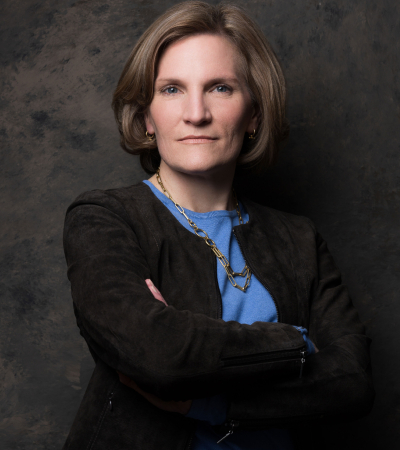
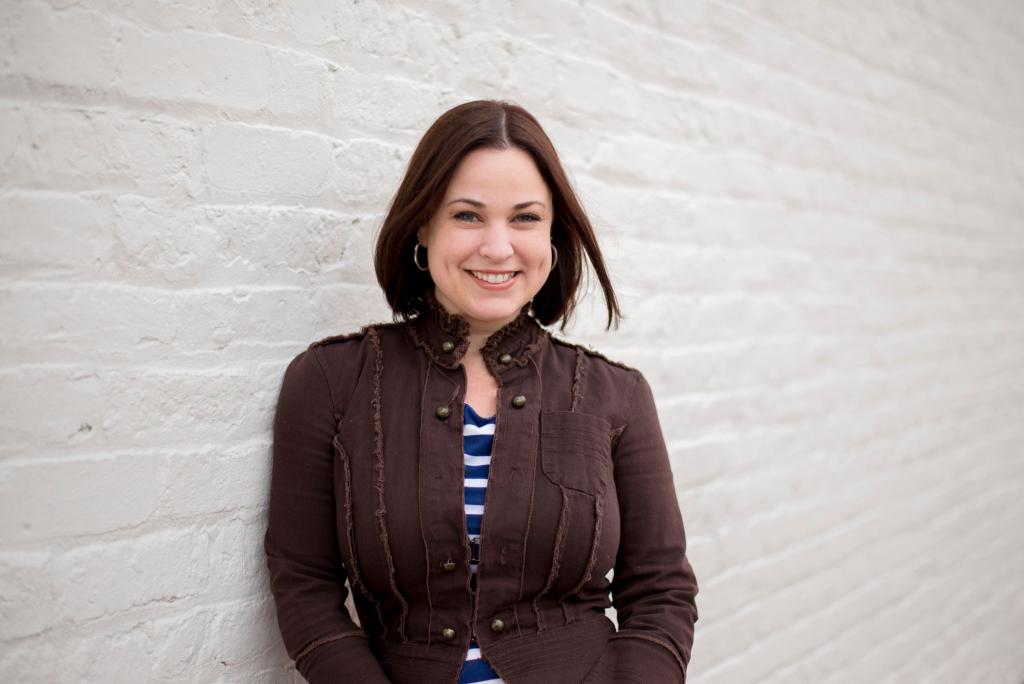
Cynthia Miller-Idriss, a professor at American University, discusses her new book, “Man Up: The New Misogyny & the Rise of Violent Extremism," with Lawfare Foreign Policy Editor Daniel Byman. She explains how different forms of misogyny lead to political and social violence, why most scholarship and media accounts usually ignore the role of gender, and what individuals can do to fight back.
To receive ad-free podcasts, become a Lawfare Material Supporter at www.patreon.com/lawfare. You can also support Lawfare by making a one-time donation at https://givebutter.com/lawfare-institute.
Click the button below to view a transcript of this podcast. Please note that the transcript was auto-generated and may contain errors.
Transcript
[Intro]
Cynthia Miller-Idriss:
You know, there are these connections that creates a kind of culture and a
community online that is, even if the targets don't end up being women, can
also foment and foster violence. And that is pretty well documented in the
field.
It's really oriented around punishing women for not giving
these men what they think they are entitled to.
Daniel Byman: It is
the Lawfare Podcast. I'm Daniel Byman, the foreign policy editor of Lawfare
with Cynthia Miller-Idriss, a professor at American University and the author
of “Man Up: The New Misogyny & the Rise of Violent Extremism.”
Cynthia Miller-Idriss:
It's not just men—not just some men who do this, but also women, and women have
played a big role in policing boys and also in policing girls with gendered
norms and expectations.
And then in—sometimes promoting and sustaining misogynist
systems and white supremacist ones, including in violent ways.
Daniel Byman: Today
we're talking about her book and how understanding and exploring different
forms of misogyny is vital for understanding violence today.
[Main Episode]
I wanna kind of start with what I feel was perhaps most
interesting as a reader on this book is that I found it was both familiar and
novel.
Like most of what I was reading about was like, yeah, I read
about that, or, yeah, I kind of knew about that. But you're taking what I
always thought of as very separate events and separate problems and helping me
see them through a lens that mixes misogyny and mass shootings and violence.
Can you tell me a little bit, first of all, about why you decided to write this
book?
Cynthia Miller-Idriss:
Yeah, great question. And I love that you had that experience, 'cause it's sort
of one of my goals of the way that I wrote the book was I was hoping that
people would recognize what I was talking about, but maybe had not yet
reflected on it, and that was that sort of experience of ‘Aha, you're right!’ Like
this felt so familiar and it should feel familiar to people because I'm not—
In many ways, I'm just, I'm putting together things that many
other people have said for many years in the domestic and intimate partner
violence space. A lot of Black feminists have pointed out the intersections of
white supremacy and misogyny or sexism, for example, and had that experience
themselves so much.
And so it's not that I, things I'm saying are new, but they
haven't really been heard on the side of the field that I spend most of my time
on in national security and prevention. So, I wrote the book in part because I,
it started to become glaringly obvious to me.
And this is my fourth sole-authored book. It's my seventh book
overall. I've been in the field for 25 years. I've spent my whole career
interviewing boys and men in and around violent scenes. And I had never done—I
had never really acknowledged this or seen it even. And so, you know, when I
talk about the field having blind spots, I'm part of those blind spots.
Like I fully acknowledge that, even as a woman, not seeing
these connections between gendered violence, misogyny, domestic and intimate
partner violence, and the histories of perpetrators relationships with women
especially, and the LGBTQ community, have just been ignored or not seen or not
paid attention to enough.
And I think it was really around the time of Gretchen Whitmer's
kidnapping plot—and the book was originally called “Just Grab the Bitch.”
That's how it went in—it went all the way almost to publication, but the
marketing department really dinged it, and I think they were probably right.
And—
Daniel Byman: Maybe,
and I'm going to interrupt for a sec. This is with reference to the attempted
kidnapping of Governor Whitmer in, I forgot which year, I'm sorry.
Cynthia Miller-Idriss:
2020.
Daniel Byman: Yeah.
Cynthia Miller-Idriss:
It was during the pandemic. So it was the fall of 2020. And, you know, I
remember it so well because I was in isol—you know, we had decamped to a rental
house outside the city and was fielding these sort of interview requests from
journalists walking around on the front lawn, outside in isolation from
everybody else.
And they would always ask like, is there anything that I
haven't asked at the end of that interview? And I'd say like, well, we could
maybe talk about the misogyny, you know, that was so present in the way they,
the militia members were using language, you know, describing what they would
do to her, describing, you know, her as a tyrant bitch.
And it just, it really didn't register with most of the bookers
and the, you know, with one exception for Fareed Zakaria, in the end, asked me
about it on camera and we had a discussion at that time about the misogyny, and
I thought that was really brave and he was, you know, sort of out on the
cutting edge of having that conversation.
But still, then you kept seeing things like the Biden
administration's new classification system after January 6th came out for
domestic extremism that had a bunch of different categories, and in one column
of that was something called all other extremisms, and it was everything
related to gender, sexuality, or religion, like it just didn't fit in the rest
of their classification.
And even though we were seeing really big increases in anti-LGBTQ
violence, in misogyny and incel violence—incels, which are involuntary
celibates—and so it just, I thought if this is gonna sit in all ‘other,’ and we
can't even center it the same way that we could center race or even animal
rights extremism or environmental extremism as an issue, we're just not gonna
get the kind of resources to attend to it or have hearings to talk about it or
anything like that.
So I sort of wrote the book to put it all together to help
understand it myself, these different tactics and strategies of misogyny and
how they play out in mobilization of violence and thinking about, maybe there's
more upstream ways that we could prevent some of this on an interpersonal level
before it escalates to mass violence.
Daniel Byman: One
sentence you had in the book that I really like is, it's hard to see a problem
for which there is no category,
Cynthia Miller-Idriss:
Right.
Daniel Byman: And
you're giving us a category. I'll say it, it complexifies all this because, if
I read your work correctly, it's not a category that excludes other categories.
Cynthia Miller-Idriss:
That's right. It's a connector category, really.
It's like a, you know, it's a through line. It's a red thread
that cuts across a lot of other types of extremisms across ideologies, even. And
we actually acknowledge this pretty well when it comes to Islamist extremism, as
I talk about in the book.
There's a lot of public attention global campaigns on the
exploitation of women and the treatment of women by Islamist terrorists.
Whether you're talking about the Nigerian school girls or the Yazidi women, or
the use by Al-Shabaab of forced marriage as a tactic of territorial control,
right? Like these are oper—the sexual violence perpetrated by Hamas—these are seen
as operational financial recruitment tactics, right? Women given to recruits, promises
of all the virgins in heaven, right?
Like these, all of this stuff is so well acknowledged. There's
a dozen reports just at the UN Counter-Terrorism and International Criminal
Court alone talking about it, but we don't talk about it when it comes to
domestic extremism or domestic terrorism. I even, and I'll say, there's a
German edition of the book coming out, so I'm opening, there's a preface, that
I'll open with this anecdote.
I won't name where it was, but I was in a high-level briefing
and globally—in the fall—on the book, and there was German delegation there.
And at the end, the high, the high-level, the highest person in the room from
the German delegation said, ‘Well, we don't have this problem.’ And then said,
you know, ‘and besides what are we supposed to do? Dismantle all of patriarchy?’
Like there is a real, even when you're kind of confronted with
it, there can be a bit of a dismissal of like, this is just too entrenched.
It's too much of a problem. And there's a lot of personal choice involved in
patriarchy 'cause women participated in it as well, there's a lot of—right.
And so there's lots of different ways that this starts to come
up against people's value systems, too. But when you're talking about violence,
misogynist violence, domestic, intimate partner violence being, you know, in
the 60% of the histories of perpetrators, of mass violence or some data point
like that, that I talk about in the opening of the book, it's so
incontrovertible that I wanted people to have to read it and say at the end of
that first chapter, like, there's no doubt that these things exist.
The data is so clear. Now we can start to talk about what do we
do about it, which is a much stickier question.
Daniel Byman: I wanna
go into the different categories you identified in your book, but before I do
that, one thing you note is that you know, in general the media doesn't
acknowledge this. You talk about your experience with the plot against Governor
Whitmer as one example. Do you have a sense of why? Because you would think
actually this would be, you know, compelling for the media, right?
Cynthia Miller-Idriss:
Yeah.
Daniel Byman:
Presumably half their readers or listeners are, you know, are women who might
have a personal interest in this.
Cynthia Miller-Idriss:
Yeah. It's super interesting question. I mean, I thought about it a lot.
I think there's, one, I think it's just, it's so common. I
mean, it's the same way I think, you know, the Uvalde, Texas shooter who
attacked an elementary school was later found out to have been making persistent
kidnapping and rape threats against teenage girls online. And when a journalist
asked them why they had not reported it, one of the girls said, ‘report it? You
know, why would you report it? It's just how online is,’ right.
I think that there is that kind of ethos for a lot of women in
particular who see misogyny as the cost of doing business in the workplace or
in, you know, you just, everybody has a handful of those stories in their
pocket, and I use some of those stories to illustrate in the book, including in
the opening, just the stuff that you just, and I have been really lucky that I
haven't had to deal with so much that other women have had to deal with. But
the things that women have told me in our field after this book came out are so
much worse than the little anecdotes that I pepper throughout the book. And so,
I think, to some extent women also dismiss it as just, even what the defense
attorneys in the Michigan case said, big talk or blowing off steam.
I think that we also see it as a characteristic that
illustrates how these are bad people, but not as an immobilizing factor. So I
talked to Amy Spitalnick about this, who was ran the organization that sued the
neo-Nazis in Charlottesville. And she described the fact that, at the trials,
it came out that every single one of those defendants, and there were dozens of
them, had a criminal history of domestic and intimate partner violence,
including things like kidnapping their wives or sexual assault. I mean, just
terrible things. And, but still, that didn't come out. That didn't come out in
the reporting of the trial. It never came out.
It's just, and I found this in looking at affidavits too, it's
sort of descriptors to tell you how bad these people are before you go on to
talk about their actual crimes.
And I think that's just—It's a real blind spot for the public,
for the media and for the field in general.
Daniel Byman: I hope
your book will be part of the change on this. At least now they'll have a go-to
person who has thought about this seriously. So you note in the book you in,
you know, individual chapters are about each of these, about there are kind of
five different approaches that are advancing different forms of male dominance
through violence. And I wanna kind of discuss I hope each of these if we have
time.
And the first one you talk about is containment and—Can you
kind of describe what containment is and how this shows up?
Cynthia Miller-Idriss:
Yeah. I wanted a chapter that would show how gateways work and how, where you
could have kind of opening, opening entry points, if you will, to a way of
thinking that allows for this kind of violence and power to be intersected both
against women and LGBTQ folks in gendered ways, but also that can open up other
beliefs, hierarchies of superiority and inferiority, racist, white
supremacists, anti-immigrant, et cetera, that might come out of that same set
of kind of hierarchies of superiority and inferiority.
And because gender is one of the first social differences we
ever come to see as human beings, right in the family, and in our relationships,
in school, this containment is the chapter where I start to talk about these
ordinary and everyday ways that women in particular, and also LGBTQ folks, are
kind of talked about in ways that try to put them in their place.
And I use a lot of anecdotes in the opening because I started
with an analysis of my own hate mail, where I had realized that there was this
really interesting pattern in the hate mail that I got after “Hate in the
Homeland,” my last book. When the mail, you know, there was also sexualized
stuff that happened, but when you get rid of that content, like the nasty
content or the threats, a lot of what men, in particular, would write to me
about, used the language that involved movement. They wanted me to go
somewhere, right? ‘Get back under the rock,’ ‘go back in the shit hole,’ ‘jump
off a bridge,’ you know, ‘go rub your hands together elsewhere,’ right. There'd
be all kinds of like, other references or ‘stop being front and center,’ you
know?
And a lot of it was about not wanting that, not wanting me to
be front and center, not wanting, and they want, and I realized like, ‘send
them back’ and ‘lock her up’ or ‘get back in the kitchen’ or ‘get back in the
closet,’ these are all metaphors of containment and a lot of slurs that are
used gendered slurs, which I also analyze in that chapter, are also metaphors
of containment or trying to make women into animals, right, to dehumanize, to
make them smaller, to make them less powerful.
“Bitch,” even, is a great example of that. It's like, or a
“castrating bitch,” right? You're an “emasculating bitch.” You're so
unnaturally aggressive that you can only be compared to a dog, right? It's, so
I use that, all these ideas about containment to think about how a culture—and
also the policing, I should say the gender policing of boys in this way too,
with homophobic slurs—'You throw like a girl’ or ‘you're sissy’ or ‘you're a
fag,’ right? All of that kind of language that says you're not doing your
gender right either, right? You're doing your gender badly. You're not
sufficiently masculine enough. You're not sufficiently manly enough. That also
fits within the category of what I call misogyny, which is the law enforcement
arm of the patriarchy.
It's not just hatred of women. It is a policing of expected
norms and behaviors and those who step out of line are contained with slurs,
with words, with actions, with chance at a, you know, at a rally to ‘send them
back’ or ‘lock her up.’
And that kind of creates a mindset that can lead to a sense
that boys or men should be more dominant, and that might make them more
vulnerable to some of the pathways I talk about later in that chapter, that are
ordinary ways, a self-help search or in-game chats in gaming, that have deeply
misogynist and racist ideas peppered throughout, or means—short-form videos
that tell jokes about, you know, gender ways of control and containment or
arguing for more dominance and violence oriented way of controlling women,
including, like Andrew Tate for example, I talk about in that chapter.
Daniel Byman: Let's
go to kind of the much more obvious side of this, which is, I think, when I
cracked open your book, I thought it was gonna be primarily about this, which
is, you know, what you call punishment and you discuss, for example, the incel
movement.
Cynthia Miller-Idriss:
Yes.
Daniel Byman: Talk us
through that a bit, please.
Cynthia Miller-Idriss:
Yeah. I put that chapter deliberately in the center of the book because I think
it's the center of what the field already thinks about gender and misogyny, and
it's the one area that is pretty well documented. There's a ton of, especially
doctoral students and younger scholars who are really interested in violent
incels.
I should say, you know, incels themselves, which is an
abbreviation that stands for involuntary celibate, was originally a community
created by a woman that was just to support other people who were somehow in a
position of involuntarily being able to form intimate relationships or had no
success dating, basically, and—but it quickly became co-opted by more violent
fringe of men, who we sometimes then refer to them as misogynist incels or
violent incels who espouse a complete hatred of women for denying them the
sexual attention, but also the kind of affection and love that they feel they
are entitled to.
So, you know, this is a kind of familiar—within some countries,
it's actually part of the domestic extremism spectrum, seen as a true
intersection in Canada and the U.K. and in Australia, you know, really treated
as—here, not so much. It's addressed within the field, but it's not doesn't get
the same kind of attention that something like neo-Nazism has gotten or even
environmental extremism has gotten—although that's changing.
But, you know, we've seen attacks at a Santa Barbara sorority,
at a Tallahassee yoga studio, van attack in Toronto. But also, you know, a lot
of attacks that don't get identified as incel attacks had some connection—so
the Parkland school shooter praised the incel shooter from the Santa Barbara
sorority before he began his attack, right? We have a number of those. A lot of
other school shootings and university shootings had incel references. In
Germany as well, one recent terrorist attack that targeted Jews and a Turkish
restaurant, he was listening to a song that's known as the incel anthem, right?
While he was trying to livestream that attack.
So, you know, there are these connections. It creates a kind of
culture and a community online that is, even if the targets don't end up being
women, can also foment and foster violence. And that is pretty well documented
in the field. It's really oriented around punishing women for not giving these
men what they think they are entitled to.
Daniel Byman: The
next category you talk about is exploitation.
Cynthia Miller-Idriss:
Yeah.
Daniel Byman: And
that to me was something I actually hadn't thought about in any serious way.
And again, please talk us through.
Cynthia Miller-Idriss:
I hadn't really thought about it either. And I have to say, this was the
hardest chapter to write. It's still the hardest chapter to even think about. I
thought it was just brutal.
When, once I started looking into it, it talks about both the
disproportionate evidence that neo-Nazis and white supremacists are harboring
child sexual abuse material on their computers, but also the 764 networks, the
exploitation of, so not only in far right circles here, this is just a broader
form of—
Daniel Byman: I think
many of our listeners know what 764 networks is, but if you don't mind just two
sentences on—
Cynthia Miller-Idriss:
Yeah, I mean, 764 is a code name. I mean, it's a word that is, comes originally
from somebody's area code for their phone number. And it's morphed into lots of
different, we still think of them as 764 networks, even though it's not just 764.
They're sadistic exploitation networks that basically blackmail
kids typically into harming other kids, both sexually, but also physical abuse,
harming themselves with self-harm, and harming animals and enacting other
horrific things on video. And then they blackmail them for lots of different
reasons. And sometimes it's just exploitation in terms of cash or money. And
other times it's grooming them toward neo-Nazi attacks or other mass nihilistic
attacks.
And it's part of what's known as nihilistic violent extremism,
a new classification from the FBI. It's rapidly growing, estimates of 10s of
thousands of victims, there are 500 open investigations in the U.S. alone. And
you know, and so the number of victims and part of what's so horrific about it
is that victims and the perpetrators are children in many cases, but at the
hands directed by adults. And so that, you know, that's a horrific thing to
talk about.
The FBI have issued several warnings about it and so have our
Canadian colleagues and others. We in the lab are working on resources for
parents and schools who are dealing and grappling with the mental health
effects and then the real effects of the harms that are being done.
And so, and then I also talk about the sexual exploitation
historically. For example, under the Nazis who ran brothels, but also, there's
pretty good evidence—you know, a journalist turned over some reporting that he
was unable to figure out how to report on while protecting the women.
But I was able to look at his notes in the affidavits of an
investigation of a neo-Nazi group that did get broken up here in the U.S. and
in the affidavits, you know, they were keeping women for sale at a, that's the
description in the affidavit, at a property where they would, you know, both prostitute
them, but also—forced prostitution, but also the sale of assaults on the dark
web as video. And then they were using that money to finance their neo-Nazi
operations.
So that's what I mean by thinking about some of this
exploitation in the ways that we think about it easily when it comes to
terrorists who are somewhere else, you know, in other parts of the world, but
we haven't really looked at it in the U.S. And part of that is because we have,
typically, when neo-Nazi and white supremacist groups are broken up in the U.S.,
they're arrested on one of sets of three charges, usually together, drug
trafficking, weapons trafficking, and racketeering charges. It's the fastest
way to put them away, or child sexual abuse material. And you get the same
amount of sentencing as you would if you include the sex trafficking charges.
But the DEA themselves have said, basically, where there is
drug trafficking, there is sex trafficking. It's like a 97% overlap. They're
almost always together.
And so, you end up with these situations, like in Los Angeles,
a couple of years ago, 63 neo-Nazis were arrested, a big ring, broken up, Aryan
Brotherhood groups. They're arrested on drug trafficking, weapons trafficking,
racketeering charges. That trifecta is always there and there's a little line
in the AP reporting about it, and all it says is, “The hostage negotiation team
was also on hand to assist.”
And so I'm thinking like, well, who do you think the hostages
were? Right? We know that where there's drug trafficking, there's sex
trafficking. We know that these things go hand in hand. We know that they're
financing operations off of this, and but we don't do it.
And so one of the things I've been talking to attorney generals
about is the possibility of adding an enhancement charge to help local law
enforcement, you know, to incentivize them to at least get the data. You know,
at least we would know how often these crimes are there, because if they're not
getting any extra years on sentencing, why would you do it? Right?
You have victims who are vulnerable, who may at one time have
consented to their situation. There may be drugs involved and you know, they
could be harmed with any kind of testifying that has to be done. And so they
just look away.
And I think that invisibility contributes to the fact that we
don't see the problem in the field, even though once you start to look at it,
it's there.
Daniel Byman: For
those interested, I'd also highlight some, a lot of the significant law firm
reporting on this exploitation, which is something that we've covered for some
time. It's kind of, once you go down that road it's impossible to see the world
in the same way. It's shattering.
Let's go now to your fourth category, which is erasure.
Cynthia Miller-Idriss:
Yeah.
Daniel Byman: Help us
out with that.
Cynthia Miller-Idriss:
Yeah. So, erasure here, I'm primarily talking about the LGBTQ community, but,
and looking at both, kind of, mainstream legislative efforts to erase bodies,
like gender affirming care, but also the attacks on trans athletes and trans
rights and bathrooms, all of that kind of stuff, the quick mobilization that
happened there—
But also around knowledge. So erasing bodies and erasing of
knowledge through the curriculum bans and the protests, the attacks that have
been happening on librarians. So I trace those two types of erasure of
knowledge and of bodies. But then I also try to connect it, showing how it
connects as a mobilizer of violence.
So where we've had neo-Nazi groups or Proud Boy groups engaged
in protests that are, you know, I mean, one of the most absurd ones I think I
opened the chapter with is the neo-Nazi protest outside of Disney, right. And
you just like, it just wasn't on my Bingo card that year. Like what? You know,
like a neo-Nazi anti-pedophile protest outside of Disney.
You know, the, how those, how this kind of opportunistic, I
would say use by extremist groups of this quick mainstream conservative
mobilization around anti-LGBTQ sentiment and attacks on kind of gender studies
in universities and in schools, how that kind of mobilized—and where there've
been some real violence, not just sort of attacks on homes that, and businesses
that have waved pride flags, but the shooting of a woman who was an ally in
California, for example, and some other cases like that.
So really trying to show how that erasure can play a role in a
gendered way, in a way that is part of a tactic of how misogyny links different
forms of extremism and the potential for mobilization to mass violence.
Daniel Byman: So,
your last category is enabling and I'll say after being thoroughly depressed as
I was reading along, this depressed me in a completely different way. So,
again, please talk us through this.
Cynthia Miller-Idriss:
Yeah. This is actually the first chapter I wrote for the book. Because I
started, you know, thinking about you have to look at the role of women and
white women in particular in creating and contributing to some of the
conditions that support this, either deliberately or inadvertently.
And so, I start with this what I really liked as a story arc
for that chapter, looking at the killing of Vicki Weaver, you know, 30 years
ago, and Ashli Babbitt, both were white women who were shot through a door by
federal law enforcement agents.
But Vicki Weaver was in a white supremacist family at the siege
at Ruby Ridge and was holding a baby and was shot accidentally through a door.
She was sort of wearing a flowy sundress, and she used to pick berries and sell
them at a local farmer's market, like she was, you know, a martyr, an absolute
martyr for the movement immediately with signs that said, you know, your family
could be next. This is what the government can do to you. So, this
anti-government and white supremacist intersection.
Ashli Babbitt was shot at the U.S. Capitol as she was trying to
break down a door. So, 30 years later you can kind of see this arc of, and
she's a veteran, she's not a mother, right? Vicki Weaver is very much martyred
in the movement through her role as a mother. This mother was shot holding her
baby. Ashli Babbitt, a veteran who is breaking down, trying to break down a
door in the Capitol because she was mobilized by conspiracy theory around QAnon.
So, you know, it kind of tells the story of this mobilization
of women from—through the roles as mothers initially, and then eventually you
kind of get to a place where they don't even have to be mothers to get
mobilized. They're not only being mobilized as mothers who are defending their
families or their children, but they're just violent actors in and of
themselves.
So one, we've seen more violent engagement from women in these
movements, and January 6th was a good example of that, but there've been other
cases. And then also social media, as I talk about in the, in that chapter,
really opened up a whole new realm for women who had taken a backstage in
domestic and white supremacist and anti-government movements, in part because
of the misogyny that they faced there, like in the real person meetings. We
would regularly hear about that.
In fact, some women I know who we've worked with as formers
left those scenes because of the misogyny they experienced, the harassment,
sexual harassment from other men. So the misogyny was a problem for them in the
movement, but social media allows them to suddenly be super engaged as leaders
in a safer way, right?
So ironically becoming leaders who have called on white women
to have, you know, the six baby challenge, right? So, to have as many white
babies, the white baby challenge, to have six white babies to help counter, you
know, demographic change or to get involved as QAmoms, you know, this whole
movement to support QAnon as, again, through your role as a mother and defend
and rescue children who are supposedly being trafficked.
So that was the point of that chapter, was to show, first of
all, it's not just men not just some men who do this, but also women. And women
have played a big role in policing boys, and also in policing girls, with
gendered norms and expectations.
And then in sometimes promoting and sustaining misogynist
systems and white supremacist ones, including in violent ways.
Daniel Byman: Let me
ask you in here—to be clear I'm kind of drawing on my own current research, so
it's, there's a strong bias in this—about what I felt was perhaps either a
missing category or a past category that no longer exists, and I'm gonna call
this protective.
So when you look at white supremacist groups in the past,
right? You have—the image they tried to portray was, we are effectively
knights, right? And there are these, often virginal, white women that we are
protecting and they are helpless. And if we are not there, then, you know,
usually Black, but you know, savages, in general, are going to attack and rape
them.
And you as a man need to act. And one group, VDARE, used to
take an oath over a white baby girl, right. It was very kind of literal.
And you know this much better than I, but the rhetoric seems to
have shifted from women on a pedestal who are kind of helpless and must be
protected to, you know, bitches and hoes.
Cynthia Miller-Idriss:
Yeah.
Daniel Byman: Right.
And is it, is that protection still a thing? Or—
Cynthia Miller-Idriss:
It's still a thing,
Daniel Byman: Or is
it really kind of not part of the movement in the same way?
Cynthia Miller-Idriss:
Yeah, I think it's still very much a thing. And I talk a little bit about it in
the chapter on exploitation. I think toward the end, around the ideological.
I like the idea of having had a chapter on protection, though
that'd be really interesting. And is like, it's another example of how you can
just—You take these different slices through a story arc and there's whole
categories I'm sure that I missed. I also felt this way in “Hate in the Homeland,”
where I could have written the whole thing about, you know, totally different
chapters. These were, each one is sort of illustrative.
And yes, I think, you know, there's always been this kind of
Madonna, like the Madonna-whore contrast, right? So, women are either virginal
on a pedestal to be protected, particularly white women in this case, or they
are devious, manipulative, you know, transactional, and not to be trusted, and
that those two tropes have always been there. It's this sort of catch-22 for
many women in these movements and as depicted by these movements, and I think
we still see very much both things alive today.
You have the ‘bitches and baby makers’ terminology that gets
thrown about on social media. The, ‘your body, my choice,’ chanting, the, you
know, this kind of reclaiming of ownership over women's bodies, including
through the election and the idea that reproductive rights are at risk and the
celebration of that, the glee of that, the—including, you know, the killing of
Renee Nicole Good and the words of the ICE agent afterward saying, “fucking
bitch,” right? This idea and what happened afterward in the days that came with
reports of other agents telling women, ‘didn't you learn your lesson?’
You know, I think that same kind who are protesting the same
kind of message of punishment of anger and of, you know, putting women in their
place. But we also see—and I'm writing about this right now for an op-ed that's
due in three hours, so I'll finish it—on the misogyny in what's happening in
Minnesota and with ICE agents. But the, you know, we also see this protection
narrative coming out very strongly in the justification, for example, of state-sponsored
violence in Minnesota with, you know, false crime statistics that depict white
women as more at risk from immigrants than they are from men who are citizens,
which is just not true.
I mean, there are of course cases where undocumented immigrants
or immigrants have harmed women, but women are more at risk from their own, you
know, communities of men who are citizens who are born here, including from
their own partners, than they are, statistically, from an undocumented
immigrant, so who have lower crime rates. So it's, you know that.
But that protection narrative, and you sort of see that coming
out of the Trump administration referring to suburban women at risk or
repeatedly calling out the names of particular individual, handful of cherry-picked
cases of women—young white women who have tragically died at the hands of a
sexual assault or rape or murder from an undocumented immigrant, but not
actually expressing concern about those things happening to women when it's not
an undocumented immigrant.
So I think that protec—and then calling on, you know, the
imagery of protecting, defending your homeland, that language coming out for
the administration, I think in advertisements right now is very much evoking
that same kind of sense of threat, of invasion, of incursion, and gender is a
part of that.
And so I think you still see both narratives. You're just
seeing on the fringe a little more of the anger, narrative, the—and I think
from the mainstream now a little more of the protectionist narrative.
Daniel Byman: Thank
you. I wanna shift gears a little bit and go through a couple, I'll say, you
know, possible, I'll say counterarguments or questions—
Cynthia Miller-Idriss:
Yeah.
Daniel Byman: That
people might have as they read your work. And you, and to be clear, you address
these in the book. I think it might be good for listeners to hear them
directly. One is the question of the visibility of rhetoric versus are we
actually seeing things getting worse?
Cynthia Miller-Idriss:
Yeah, right.
Daniel Byman: So, you
know, just to make a comparison with race, you know, if you track, you know, X
or other sites, you'll find a huge amount of racist content.
But a lot of indicators on racial relations in the United
States are actually quite positive. If you look at something like acceptance of
your marriage, you know, it's gone from almost none to almost universal, right.
And there are a lot of very positive things.
So how much can we trust the visibility of rhetoric to be a
measure for how strong the hatred is?
Cynthia Miller-Idriss:
Yeah. I think that we're seeing, I mean, there's some things that are like
pretty clear in the data, like online misogyny documented in, in online spaces,
surges starting in 2011, which is pretty not unexpected, given the way social
media platforms took prominence, you know, became much more popular starting
around 2009, 2010.
So it is, you know, it's amplifying. It's not that this is new,
but there are new channels and forms to express it, and that makes it so much
more normalized, so much more legitimized, and so much more common that again,
this sort of what women often describe as the cost of being online. Is this,
you're gonna get rape threats. You're gonna get sexist attacks, misogynist
attacks, hate mail that comes at you in ways that would've been harder a
generation ago if people had to actually like send you a letter in the mail,
right? You just don't get as much. It’s easier to do it and so you get more of
it, right?
So it doesn't mean that it's new or novel, there's just more of
it. And that can make it feel like there's more. And then, but in online
context, that also contributes to the disinhibition effect, which is the effect
that people feel more empowered to say awful things. And when more people are
saying awful things, it can kind of, you know, spiral in that way. So I think
there's that kind of stuff. The online stuff is pretty well documented, and we
see it. And there's definitely more of it.
I think what we're seeing in the cultural shift with the
rhetoric is a very clear resurgence or re—you know, kind of reclaiming of male
power in official spaces. So you see things like Mark Zuckerberg calling for
masculine energy in the corporate sector as what we really need. Or Pete
Hegseth saying, you know, we're gonna have male standards in the military.
So this kind of establishment of a hierarchy of superiority and
inferiority in a call for that. You see the data pretty clearly showing, now,
trends among Gen Z men agreeing more highly than older men with things like ‘feminism
has gone too far,’ or ‘our society has become more too feminine and needs more
masculine emphasis,’ right?
Those data points, I just saw some of it from the more and
common surveys last week are really clear and depressing. And, you know, 26% of
younger Trump voters saying they agree with this statement, “Men should lead
and women should follow,” but only 10% of older male Trump voters agreeing with
that statement.
So it's not just that it's increasing, but it's increasing in a
really specific, demographic way among a younger generation of men, and Gen Z
men in particular, who are embracing a more traditional conservative and
anti-feminist kind of stance based on, I think, the content of online worlds
compared to older generations of men.
So it's not moving in the direction that people typically
expect change to happen. It's a retrenchment and so that's a kind pretty well
documented shift that I think is also spurred, I will say on the other side of
it, a huge interest in and a huge growth in men's wellness communities that are
focusing on men's health and wellbeing as a concern around reducing both
gender-based violence misogyny, but also other outcomes like loneliness and
isolation and the deaths of despair and all the other outcomes that are very
bad for men right now that I talk about in the book that create
vulnerabilities.
So, you know, that's one thing I'll say is when I talk about my
complaints about the field not doing a good job of all this, we do have much
more interests from like Jacinda Ardern’s Christchurch Call Foundation, who's
doing a massive project that we're a part of on gender-based violence and
violent extremism. You have Australia, the U.K., Canada, all doing major
initiatives now on gender-based violence and violent extremism, or violent
incels, or really drawing out these connections.
So it's not that no one is doing it, it's that the U.S. isn't
doing it and Germany isn't doing it, which is part of why, I think, given that
I spent the first 15 years of my career working in Germany, probably
contributed to my blind spots as well.
Daniel Byman: Let me
ask you another kind of question that came up, which is how much of this is
really about ‘the violence is caused by, you know, these kind of extreme
interpretations of gender roles’ versus it's simply a broader mental health
crisis. And that people who have more extreme mental health issues will almost
look for hateful ideologies as a way
of kind of expressing themselves.
And we see this, you mentioned, you know, people online, you
know, we of course, see, you know, lots of online activity actually is often
associated with a lot of negative mental health outcomes. So how do we think
about that intersection, especially with your professor hat on, with regard to
causality?
Cynthia Miller-Idriss:
I mean, what I, the way I've thought about it is that, you know, we do have a
well-documented crisis among men, however you wanna define that, right?
Loneliness, isolation, I mean, loneliness data is also high among women, but
it's more problematic for men in terms of the outcomes of scapegoating that you
know, that it can lead to the vulnerabilities to online influencers.
So, you know, it's not that they're more lonely in the data,
but their loneliness creates more vulnerabilities for them into bad
trajectories, but also higher suicide rates now and among a younger generation
of men and, again, what we call the deaths of despair, which are drug
overdoses, alcohol, fuel, deaths suicides. Those men have three quarters of
those at this point. So, you know, they're not doing great.
And so, I think it's fair to talk about a crisis of men and
boys, but there's no reason why a crisis of men and boys should have become a
crisis of misogyny. But that's what happened, I think because of when you look
at, you know, what you look at with online worlds and how so many influencers
have converted very real, or some perceived grievances, into narratives of
blame and of scapegoating and the scapegoat, feminists and women, and depict
women and feminists as, you know, transactional and devious and out to get you
and taking your opportunities. And it's gone too far.
And so I think that's the way I would describe it. Not quite as
a causal line, the way a quantitative scholar would maybe do it, but it, with
my professor hat, I would say like there's a model here with some squares and
some boxes with arrows that show that there's some relationships here that
still need to be disentangled, and that's part of what I hope the book will do,
is inspire a bunch of research that can start to look at these relationships.
I think when you have such a blind spot, a lot of the data's
just not there because we're not looking enough at the problem.
Daniel Byman: Let's
go to your concluding parts of the book, which is the ‘what is to be done’
section. You have a lot of ideas, and I'll also highlight for those listening,
there are also a lot of resources listed.
Cynthia Miller-Idriss:
Yeah.
Daniel Byman: Which
is I think, very helpful. But pick a few. What are, kind of, you know, a few
things you think people should know that might be done to reduce this problem?
Cynthia Miller-Idriss:
So I think I, you know, one of the things I often talk to parents about is just
understanding that the online worlds that their kids inhabit are highly
gendered and a lot of the solutions that we're hearing and being offered right
now are just about banning or creating, you know, bell to bell bans or social
media bans, like Australia's just done and the U.K. is debating now.
Like, just walling off the content is not enough. When you
have, I talk a little bit about violent porn in the, you know, in the book, and
I'm, I have a separate piece coming out on that. The impacts on choking, you
know, the U.K. banning choking as a, as one option, because stroke rates are so
high now among young women under 40, like how the consumption of violent
content online can contribute to behavioral changes that are not in anybody's
interest or might not reflect healthy relationships moving forward.
And so just understanding the content of what kids in
particular are exposed to, how early they are, and that banning alone doesn't
create a solution. You know, I'm not opposed to bans entirely, but I just don't
like the idea that's all we need to do is like build bigger fences the same way
that we have, you know, build bigger fences to create ourselves, you know, to
try to create more safety from terror attacks. Teach synagogues to lock the
doors before services is important, and also like, I don't really want that to
be our best measure of how successful we are at preventing terrorist attacks.
So I think understanding the content and how we can talk to
kids about gender and talk to kids about the gendered content they see, and
start to understand how they might be receiving information that can create
these openings to influencers that are really trying to profit off of them, but
maybe don't have their lifelong healthy relationships and futures in their own
interest, right. They're not, that's not where they're coming at it from.
So that's one thing I think that everybody should know. I think
there are resources—we have a guide that I put in the back of the book that was
produced in conjunction with the Southern Poverty Law Center that helps parents
and teachers understand some of the things that kids might be encountering or
saying ‘feminism is a cancer,’ right? Or slang words that tell boys their simps
or they're too, like they're too sympathetic to girls or they're too soft, you
know, that kind of language can indicate exposure to toxic or harmful
environments that might warrant a conversation.
And these are, you know, I've had a conversation with a lot of
parents when I talk about the book, inevitably, whether it's the FBI, or like
counter-terrorism officials in Australia as I was in this fall, or to a
university audience. I guarantee almost every time the first hand up is a
personal question, and it's often from a parent who will say, like, I know I
have professional questions too, but let me tell you what this thing that my
12-year-old said to me last night, right? What do I do?
And so, you know, a 12-year-old comes to a mom and says, ‘mom,
what does the phrase submissive and breedable mean,’ right? Which is like—I
mean, doesn't even have a phone yet and heard it from a friend. It's in a meme.
It's like, you know, and so those kind, you know, just that level of not
knowing how to grapple with the kinds of things that your kids are hearing and
someone told, tells your 12-year-old, they're supposed to be ‘submissive and breedable,’
you know.
Or a 17-year-old who suddenly—a parent said, I realize now he's
in the gym all the time. And you know, so if he's following fitness influencers
online, that might create vulnerabilities to, exposure to people who are trying
to, you know, lead them down different pathways. So I think just understanding
how online worlds work and what are some strategies to talk to your kids with
curiosity rather than judgment, is sort of the two major pieces of advice that
I have on the interpersonal side, on the thing that any person can do.
Daniel Byman: Thank
you. I want to end our discussion really where your book ends, which is one of
the few times I laughed.
Cynthia Miller-Idriss:
Good. I'm glad you laughed, because people never know if they should laugh at
that story and they should.
Daniel Byman: Okay,
good. I thought you meant—it was there to laugh. So the, I'll use the phrase
and turn it over to you. It is, ‘Oh, sorry ma'am.’
Cynthia Miller-Idriss:
Yes.
Daniel Byman: So can
you describe the story and then why you think it's useful for this project?
Cynthia Miller-Idriss:
It's such a good story. So I was telling my editor this story and she said, you
have to put it in the book like we have to because she told her friends and
they laughed so hard. And it is the story that produces the most laughter among
my friends.
But it's funny 'cause I tell that story sometimes in public, in
talks and it's clear people aren't sure, are we supposed to laugh or not? And
so yes, you are supposed to laugh 'cause I thought it was hilarious. And also
sobering, right?
So it's, so I was jogging in my neighborhood a couple of years
ago and I got catcalled from behind. And when I turned around to look at the
guy over my shoulder. And he saw how old I am, right? He saw my face. He took a
step back and put his two hands up and said, ‘oh, sorry, ma'am.’ Right? Like,
and so it was just such a funny experience—
And every woman I know who's my age, you know, in my early
fifties, like has had an experience like this now of realizing you're crossing
over suddenly and out of an age you maybe had forgotten you were in to begin
with. This age of objectification, this whole era where you're so used to
having catcall experiences or comments or slight safety concerns walking around
and then you're suddenly more invisible.
And so, what was interesting to me about it was one that I'm
like, oh, I'm crossing over into this era of more invisibility where. I warrant
some kind of respect from this catcaller now, right? Like he's he wasn't
apologizing though for catcalling. He was apologizing for catcalling a woman
who was presumably old enough to be his mother.
And I think that's where the rub is, right? It's like it
didn't, it's not that catcalling itself was something offensive anymore to him,
or he doesn't see it as wrong in any way, this casual, everyday form of
objectification that, you know, every parent, I know, of daughters has had to
like help them understand if they, especially if they live in a place where
they walk home from school. That starts happening at 11 or 12.
And so you have to have these conversations about, well, what
do you do? What's the right way to react? How do you not make this guy matter?
Because then they'll say like, why aren't you smiling, right? There's all this,
it's just such a ubiquitous part of life for a lot of women and I think
crossing over and out of that, but realizing younger women are still facing it
just as much made me feel like, okay, this, maybe this is actually why I was
able to write the book at this moment in time, because there's more cognitive
dissonance for me because I'm not really gonna experience it as much as, you
know, a younger generation of women are.
And yet, that means like this is a time to kind of use my
voice. And I know that sounds like a lot of hubris, but it's a chance to kind
of try to draw attention to something that I now have a little bit more power
to talk about and a little bit more resilience because I'm not dealing with it
as much.
So that's kind of where that anecdote fits in. And it was a
call to women like me to not just slip into invisibility. But then I also, you
know, had to add, 'cause I sent it to a reviewer, several people to review it.
And I sent it to a friend who said, why does your epilogue only have things
that women can do, right? And things that women—can do?
I was like, oh my God, here I go again. Like I just missed it
myself. So I then had to add a whole section in which I asked a lot of men for
advice too, friends, and my husband, and others: What do you think men should
actually be doing about this on an everyday level? And so that paragraph or two
in the epilogue is also kind of like a call to men to speak up, to stand up and
to not, and to pay attention as well.
Daniel Byman: Cynthia
Miller-Idriss, thank you very much. We're pleased to have you on the show.
Cynthia Miller-Idriss:
Thanks for having me, Dan.
Daniel Byman: You can
get ad-free versions of this and other Lawfare podcasts by becoming a Lawfare
material supporter at our website, lawfaremedia.org/support.
You'll also get access to special events and other content available only to
our supporters. Please rate and review us wherever you get your podcasts.
Look out for our other podcasts, including Rational Security, Allies,
the Aftermath, and Escalation, our latest lawfare represents podcast series
about the war in Ukraine. Check out our written work as well at lawfaremedia.org.
The podcast is edited by Jen Patja and our audio engineer this
episode was Goat Rodeo. Our theme song is from Alibi music.
As always, thank you for listening.
.png?sfvrsn=1f2a75b9_7)
