Rational Security: The “Cooking With Gas!” Edition
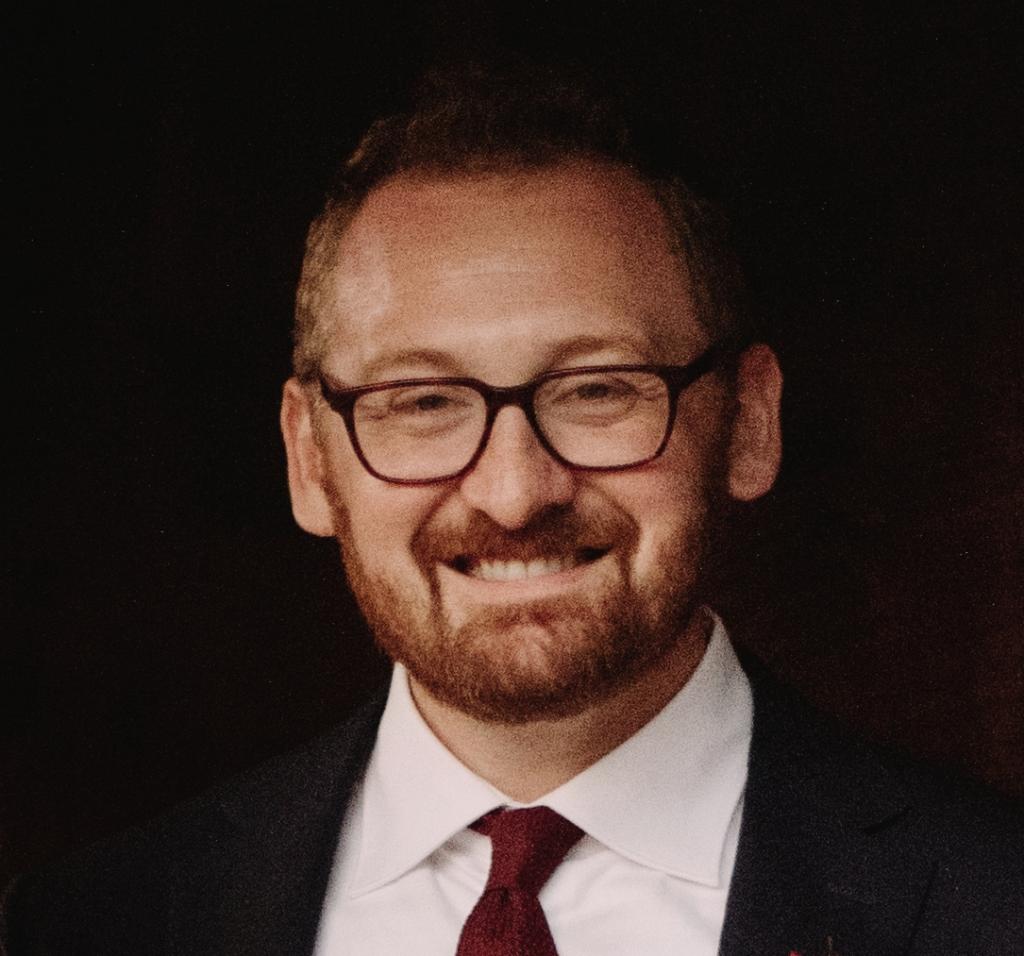
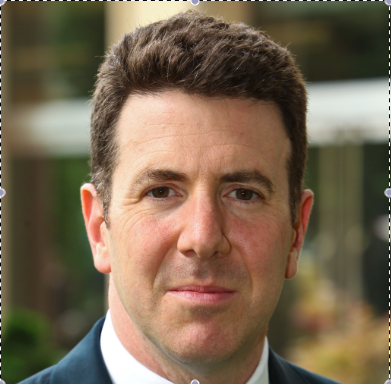


This week, Scott sat down with his Lawfare colleagues Foreign Policy Editor Daniel Byman and Public Service Fellow Julia Curlee, and Contributing Editor and partner at Steptoe LLP Michel Paradis, to talk through the week’s big national security news stories, including:
- “Fuel Me Once, Shame On You.” On Friday, President Trump announced that he had struck a deal with Russian President Vladimir Putin to bring more than 3 million tons of previously sanctioned Russian diesel onto U.S. and global markets. The move came as Ukraine’s strikes on Russian refineries had forced Moscow to halt diesel exports—and, according to U.S. officials, after Ukrainian President Volodymyr Zelensky repeatedly refused U.S. demands that those strikes stop on the grounds that Russia would not stop targeting Ukraine’s own energy infrastructure. Trump has suggested the move will reduce prices for U.S. consumers ahead of the midterms, but experts are doubtful. He’s also declared an energy ceasefire that neither side recognizes and that only Ukraine is pretending to respect. Could Trump’s diesel deal really pay off? Or is it another example of him getting rolled by Putin?
- “The Third Front is the Charm.” Yemen’s civil war is back with a vengeance—and spilling across the border. Since a U.N.-brokered ceasefire collapsed earlier this year, the Iran-aligned Houthis have seized much of Yemen’s Red Sea coast and repeatedly targeted Saudi oil infrastructure, among other targets. This past week, Houthi missiles struck several Saudi airports, killing at least 20 people. President Trump has suggested that the United States may join the fight in support of Saudi Arabia, while Iran has offered to mediate. Is Tehran opening a new front in its war with the United States? And what options does Saudi Arabia (and the United States) have to respond?
- “Going Dutch.” Last Friday, just hours after former International Criminal Court judge Navi Pillay was awarded the Nobel Peace Prize, Secretary of State Marco Rubio announced new sanctions against the court itself. Unlike previous rounds, which targeted individual judges, prosecutors, and their supporters, the new sanctions target The Hague-based ICC as a whole, blocking its U.S. assets and barring Americans from providing it with funds, goods, or services. Rubio has framed the choice in stark terms: either the court ends its threats against the United States and Israel, or the United States ends the court. Several key U.S. allies have objected, and the EU is weighing whether to deploy its “blocking statute” in response. Can U.S. sanctions really throttle the ICC? And how far will Europe split from the United States to protect the court?
In object lessons, Dan continues to engage in questionable forms of escapism with an endorsement of the second edition of An Infamous Traffic. Julia observes the 10th anniversary of Russian interference the 2016 elections with a recommendation of “The World Was Going Our Way: The KGB and the Battle for the Third World,” by Christopher Andrew and Vasili Mitrokhin. Scott mourns the loss of a favorite RatSec Fan Club hangout—City State Brewing—and wonders where the new clubhouse will be. And Michel passes on the age-old tradition of doing your kids’ work for them with a heartfelt tribute to the Pinewood Derby.
To receive ad-free podcasts, become a Lawfare Material Supporter at www.patreon.com/lawfare. You can also support Lawfare by making a one-time donation at https://givebutter.com/lawfare-institute.
.jpg?sfvrsn=a9413207_5)