-
Including talent provisions in the final version of the House bill should be central to the U.S. strategy to reshore the defense industrial base and stay competitive with China.
-
It isn’t a social media site but a decentralized collection of servers that represents an entirely different way of organizing social media.
-
The declaration means to persuade misbehaving democracies to stop internet transgressions.
-
OFAC should consider a creative sanction against the mixing service Tornado Cash, particularly the 100 Ethereum wallet that is known to be hiding a large amount of the DPRK’s stolen cryptocurrency.
-
The latest episode of TechTank.
-
Congress is considering major proposals that seek to provide greater transparency from social media companies.
-
The tools governments use to regulate behavior online are very similar, even in countries as seemingly dissimilar as the United States and China, but what differs is the incentive structures they create.
-
The pharmaceutical industry is using artificial intelligence to discover new beneficial drugs, but this new tool also presents the possibility for the creation of new catastrophic biological and chemica...
-
China’s vision of the next iteration of the internet is one in which China controls and vets who can build on it.
-
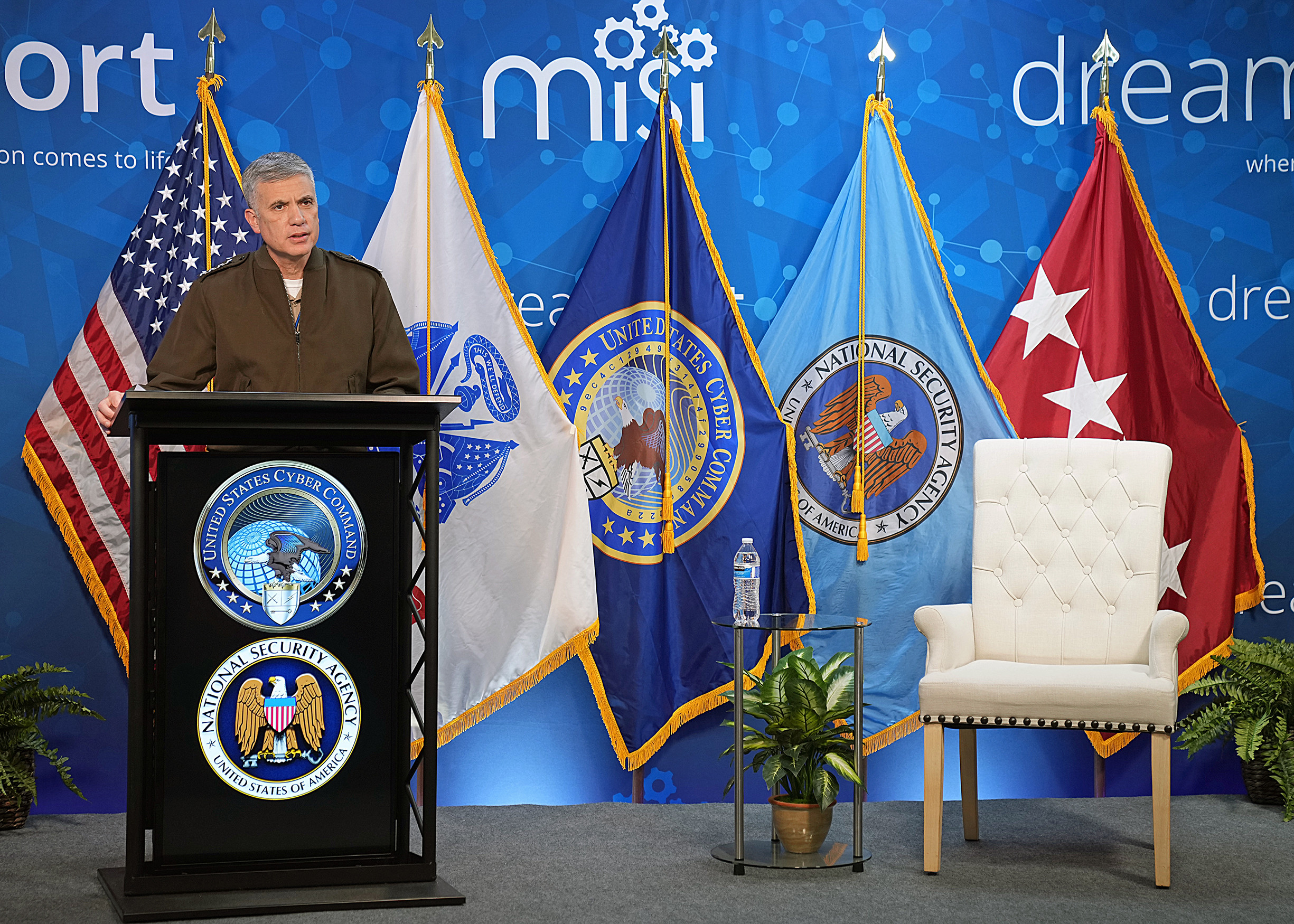
In March, U.S. Cyber Command held its annual legal conference, where members of the command and experts weighed in on the cyber landscape, particularly its legal and national security challenges for the ...
-
Telegram is by design difficult to pin down. That is what makes it so different from—and more successful than—other self-proclaimed “free speech” apps.
-
It is time for governments and platforms to build better long-term institutions and procedures for integrating tech giants into security and geopolitical policymaking.