-
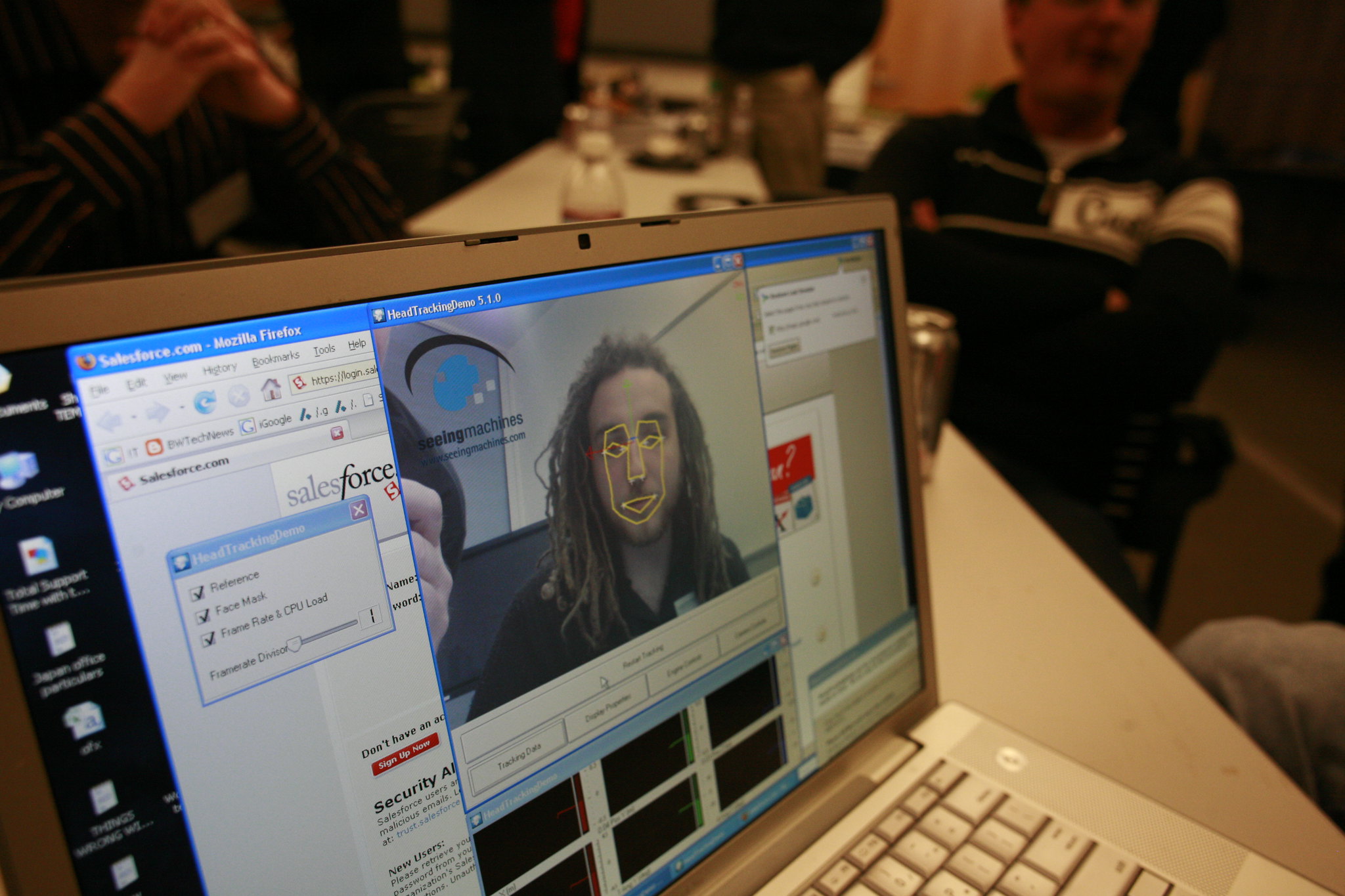
Federal departments are poised to expand their use of facial recognition systems across a wide range of use cases in the absence of federal regulation.
-
What would be the impact of other cyber powers adopting U.S. Cyber Command’s Command Vision concepts in pursuing their own security interests?
-
The deferred prosecution agreements for three members of Project Raven charged with hacking on behalf of a foreign government seem to set a precedent for lenient treatment for this type of conduct. In re...
-
The surge of global internet regulation to combat terrorism and other harmful digital content continues to pose a risk to the freedom of expression online and the rule of law and leaves unanswered many q...
-
The field has certainly grown apace producing countless case studies highlighting examples of influence operations. Yet in many other ways the field has hit a rut.
-
Prohibiting platforms from self-governing is becoming more widespread. German law provides for a different approach, with clearer rules and more rule of law in content moderation practices.
-
My colleague and friend John Fabian Witt penned the best confrontation with my historical argument in "Humane," and it deserves a reaction.
-
Courts should prioritize the First Amendment rights of users, not technology giants.
-
Lawfare’s biweekly roundup of U.S.-China technology policy and national security news.
-
Just five years ago, in September 2016, a significant change in the operation of the internet occurred.
-
France doesn’t publicly attribute cyberattacks to state actors as it is commonly known, but it names the perpetrators and, in doing so, exploits every ambiguity associated with the term “attribution.”
-
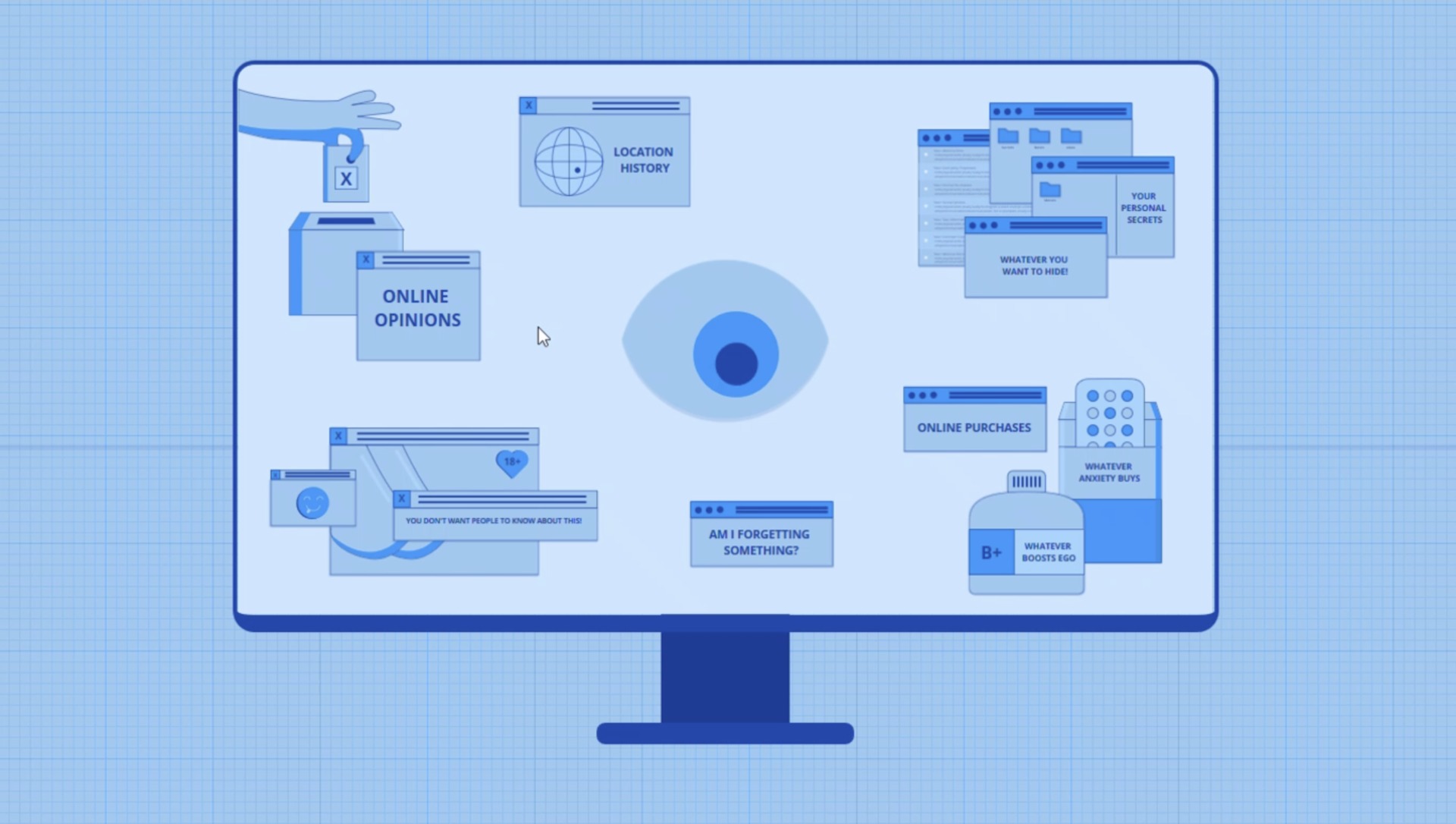
In developing a system for preventing the spread of child sexual abuse material that involves scanning the material of all those using certain apps, Apple is acclimatizing the idea of bulk surveillance.