-
The field has certainly grown apace producing countless case studies highlighting examples of influence operations. Yet in many other ways the field has hit a rut.
-
Prohibiting platforms from self-governing is becoming more widespread. German law provides for a different approach, with clearer rules and more rule of law in content moderation practices.
-
My colleague and friend John Fabian Witt penned the best confrontation with my historical argument in "Humane," and it deserves a reaction.
-
Courts should prioritize the First Amendment rights of users, not technology giants.
-
Lawfare’s biweekly roundup of U.S.-China technology policy and national security news.
-
Just five years ago, in September 2016, a significant change in the operation of the internet occurred.
-
France doesn’t publicly attribute cyberattacks to state actors as it is commonly known, but it names the perpetrators and, in doing so, exploits every ambiguity associated with the term “attribution.”
-
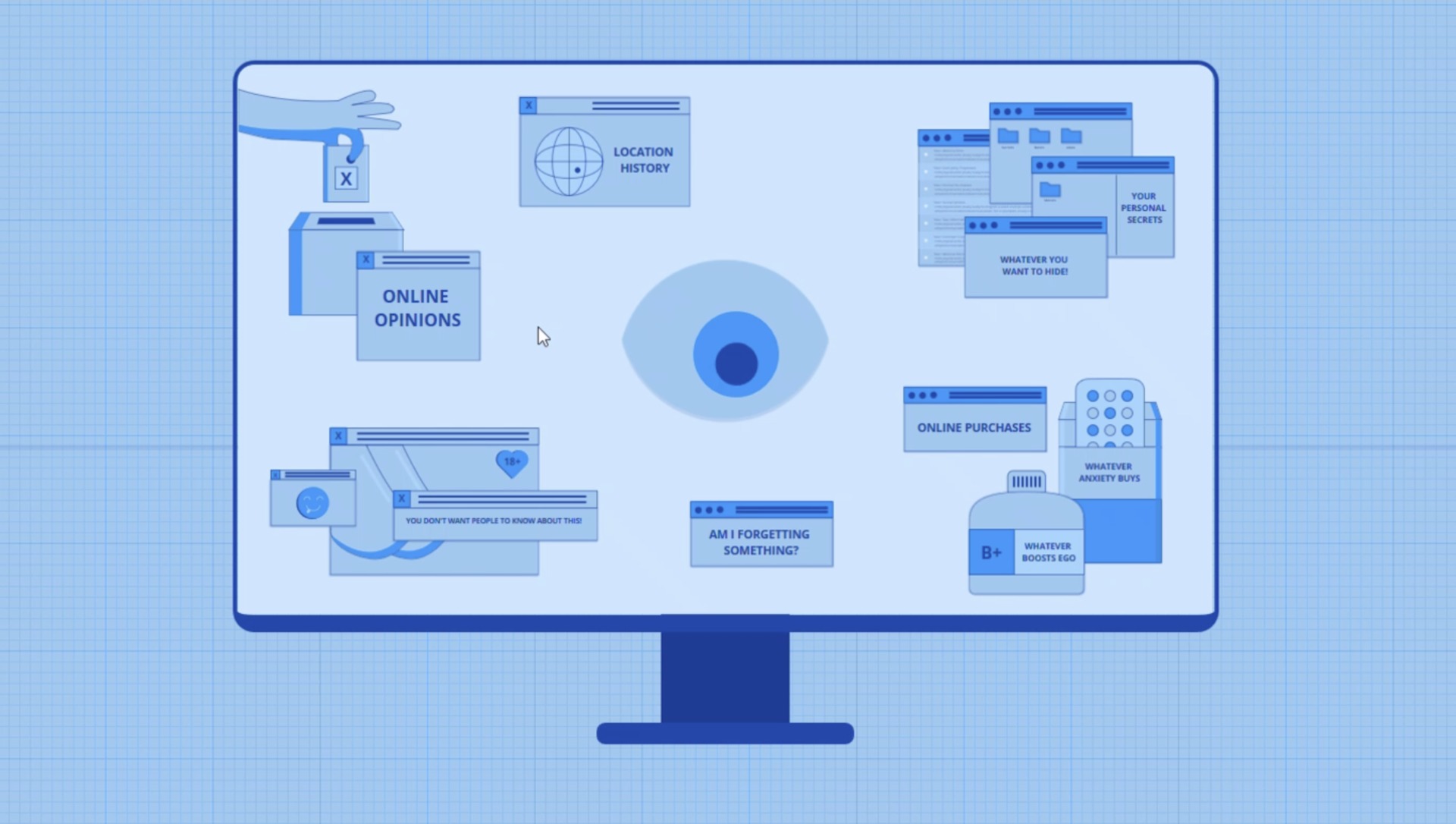
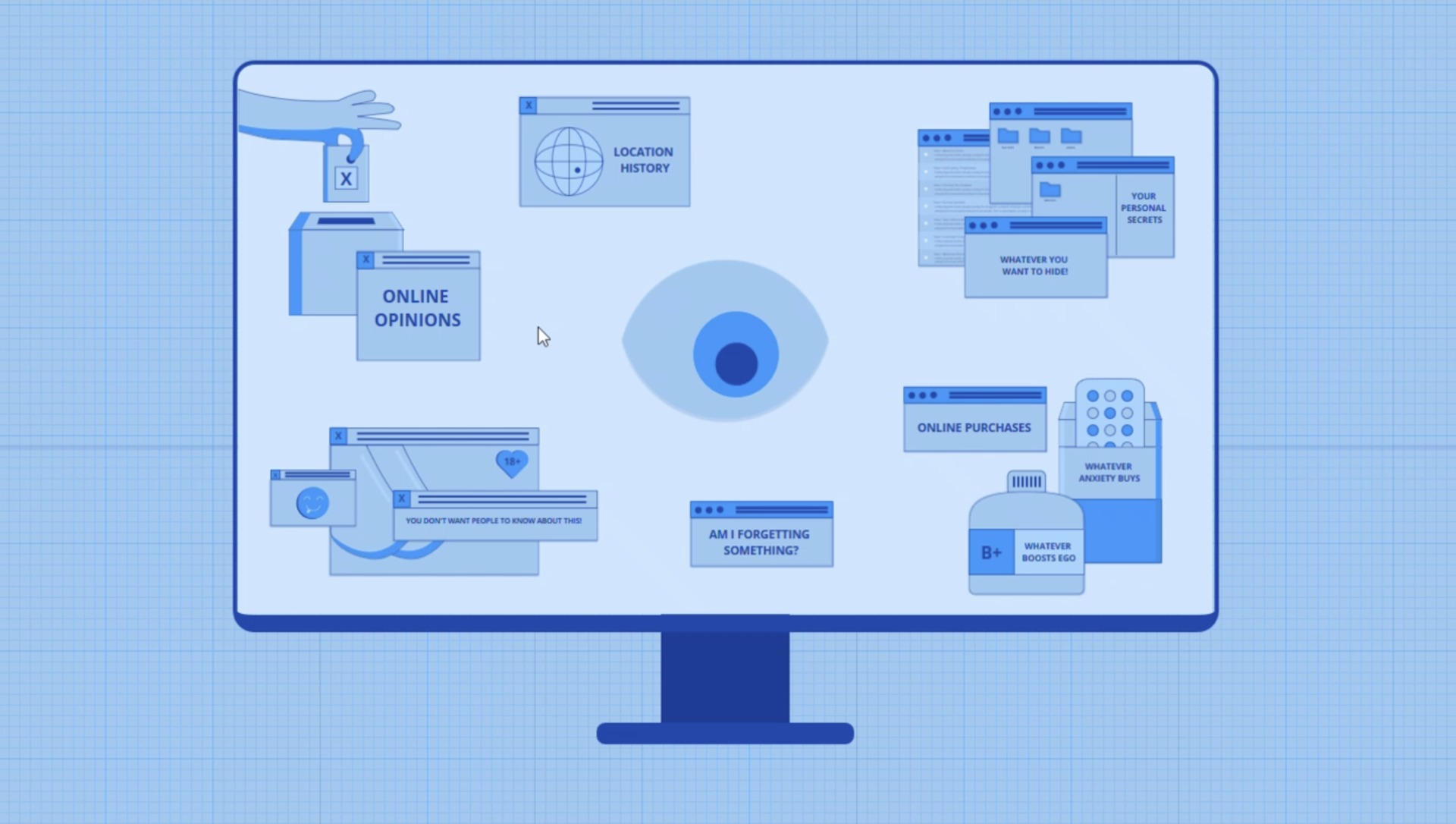
In developing a system for preventing the spread of child sexual abuse material that involves scanning the material of all those using certain apps, Apple is acclimatizing the idea of bulk surveillance.
-
To make progress on supply chain security, the U.S. government will need to clarify its goals; create a cohesive, forward-thinking strategy; and offer alternatives to a cold divestment of Chinese ICT pro...
-
The $600 million hack of the “decentralized” Poly Network should alert regulators due not to the size of the theft but, rather, to what the stakeholders did after the incident.
-
Interested in a detailed-but-accessible case study of the Russian cyberespionage campaign that targeted SolarWinds (among others)? I’ve got you covered.
-
Recent ransomware attacks against the United States are raising questions about whether and how the military, specifically U.S. Cyber Command, might counter this type of malicious cyber activity. Here, w...