Latest in Cybersecurity & Tech
-

The Many Open Questions About the Trump Administration’s New De Facto AI Model Licensing System
The Trump administration’s AI framework not yet been publicly released. This has left many open questions, including about which models it covers, who has access to the framework, and whether it preclude... -
Scaling Laws Roadshow at Nebraska Law: Matt Tokson on AI Surveillance
-
The Cyber Corps: Ukraine’s Least Understood Cyber Actor
From overlapping operations to the IT Army’s internal split, new clues shed light on the Cyber Corps’ ties to the GUR. -
The AI Model Distillation Paradox
When U.S. labs train models on the world’s writing, Washington calls it fair use. When Chinese labs train on U.S. outputs, it’s a “malicious attack.” It can’t have it both ways. -
A Case Study in Pivoting: Investigating Hacked and Leaked Data on a Budget
AI may help, but nonprofits still face an uphill battle in allocating resources for extensive investigations into human rights abuses. -
Citizens’ Assemblies in AI Governance: An Interview With Audrey Tang
Tang comments on communities and stakeholders increasingly examining alternative mechanisms for change. -
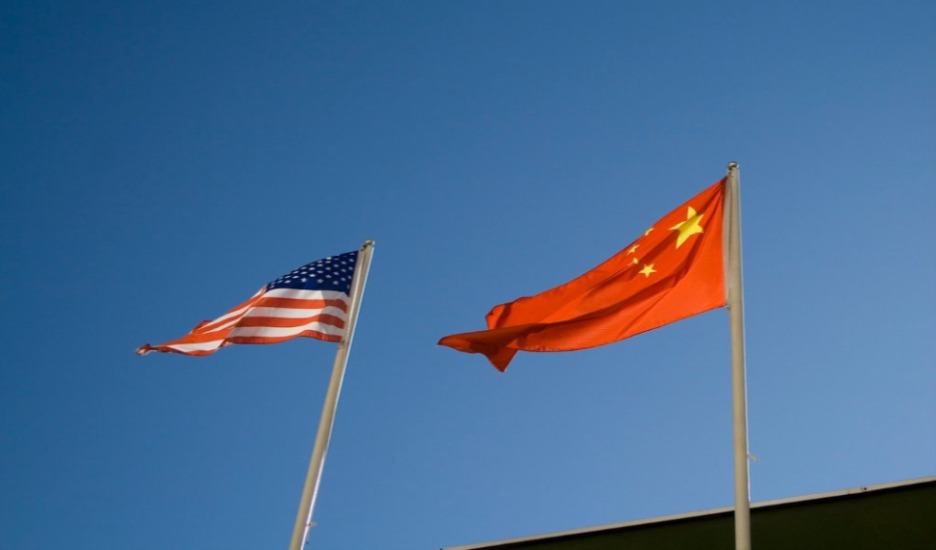
How to Make an AI Deal With China: Trade Throttling for Pacing
China will not agree to an AI pacing deal that puts them permanently in second place. The U.S. must therefore be prepared to use the threat of throttling to encourage a mutual deal. -
Scaling Laws: Public Participation in AI Governance With Hélène Landemore
-
Production, Persuasion, and Power: How Generative and Agentic AI Are Transforming Influence Operations
Generative AI can increase the quantity and quality of malign foreign influence campaigns. However, questions remain as to whether these campaigns influence public opinion. -
'Rogue' AI Isn't Going Anywhere
The latest edition of the Seriously Risky Business cybersecurity newsletter, now on Lawfare. -
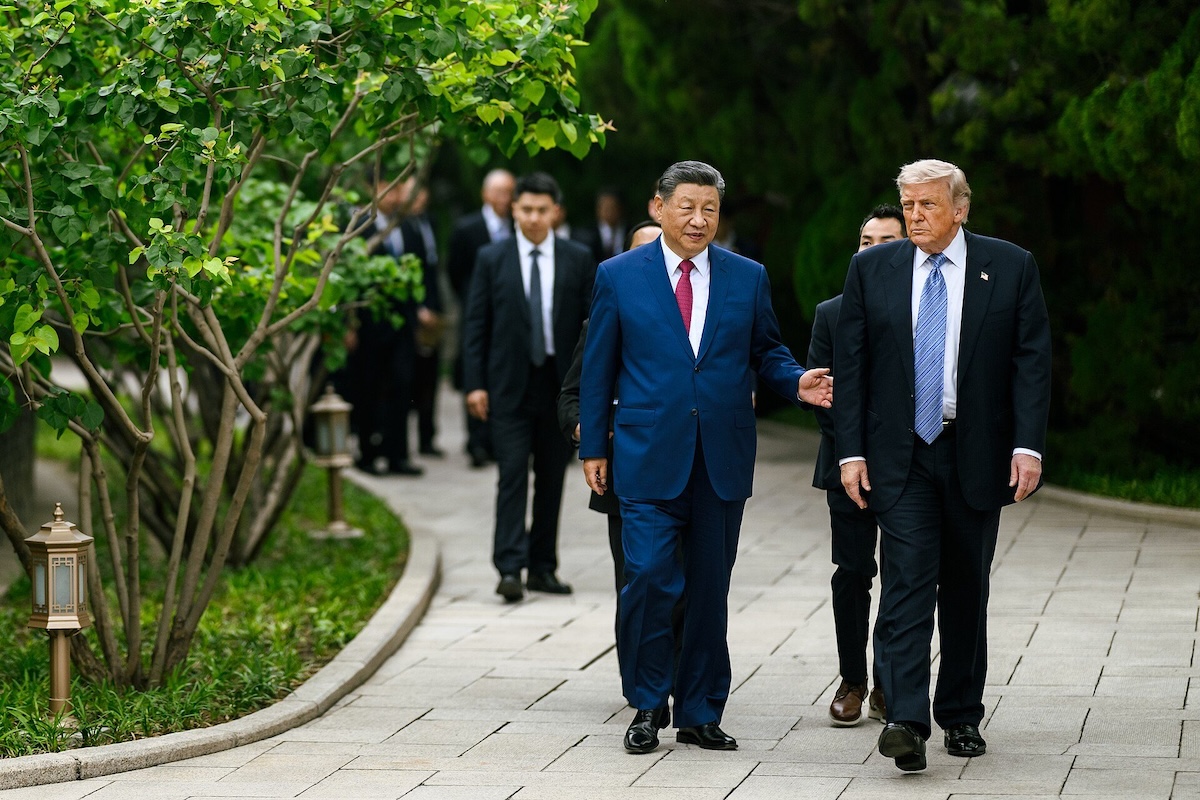
Lawfare Daily: The Trump-Xi Summit and U.S.-China AI Competition
-
A Warning for Frontier AI Model Governance
As Congress debates who should control frontier AI governance, “cybersecurity” can become a substitute for reasoning about hard policy choices.







Topics