Latest in Cybersecurity & Tech
-

How to Handle “The Adolescence of Technology” Like Adults
An evaluation of AI policy recommendations by Anthropic’s CEO may help guide ongoing regulatory efforts at the state and federal level. -
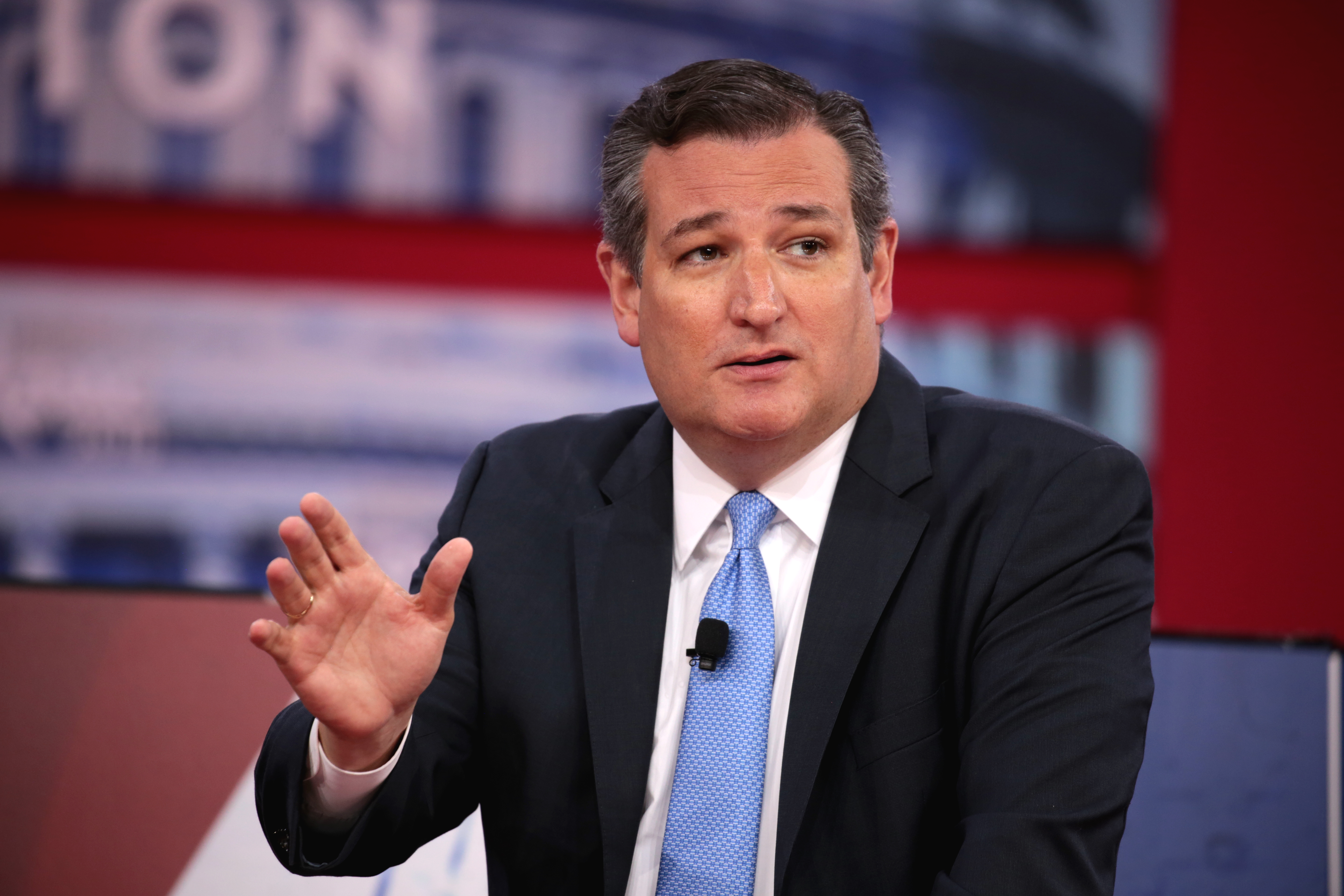
Ted Cruz Has a Detailed Plan to Loosen AI Regulations
The Sandbox Act would enable AI policy experimentation, part of a broader movement to remove constraints on the technology’s advancement. -
Keep AI Testing Defense-Worthy
In defense and intelligence, AI testing and evaluation should adapt to prevent national security threats arising from AI misalignment. -
You Can't Block Space Internet
The latest edition of the Seriously Risky Business cybersecurity newsletter, now on Lawfare. -
Scaling Laws: Rapid Response to the Implications of Claude's New Constitution
Discussing Anthropic's newly released "constitution" for its AI model, Claude. -
The Case for Cyber Pressure Against Venezuela
A U.S. campaign to pressure Caracas would hold promise. -
The Moral Education of an Alien Mind
What Claude's "Constitution" really is. -
The AI Preemption Executive Order’s BEAD Strategy Faces Steep Legal Hurdles
BEAD—a statute about deploying service and connecting locations—never mentions AI and lacks the clarity these interpretative canons require. -
Interpreting Claude’s Constitution
Anthropic’s guidelines for AI development offer a novel approach to training frontier models and, perhaps, shaping AI governance. -
The Honorable AI? Shlomo Klapper Talks Judicial Use of AI
-
China Fights Scam Compounds … For China
The latest edition of the Seriously Risky Business cybersecurity newsletter, now on Lawfare. -
Scaling Laws: How AI Can Transform Local Criminal Justice, with Francis Shen
Discussing the intersection of neuroscience, AI, and criminal justice.
.jpg?sfvrsn=c5a4ff6d_5)
-security.jpg?sfvrsn=982907ba_5)



.jpeg?sfvrsn=cf31148f_8)

Topics