Latest in Cybersecurity & Tech
-

Lawfare Daily: What China Thinks of Military AI with Sam Bresnick
How concerned should we be about China's use of AI in war? -
Why the Data Ocean Is Being Sectioned Off
Bigger is better approaches in AI create an inexhaustible appetite for users’ data, leading to a rise in user data expropriation, sectioning off of the internet, and “data feudalism.” -
Chips for Peace: How the U.S. and Its Allies Can Lead on Safe and Beneficial AI
The United States and its democratic allies can lead in AI and use this position to advance global security and prosperity. -
Lawfare Daily: Scott Singer on AI and US-China Relations
Discussing whether AI has increased tensions between China and the U.S. -
Chatter: The Largest Sting Operation of All Time with Joseph Cox
Discussing the FBI's Anom sting operation -
Lawfare Daily: Christopher Kirchhoff on How the Pentagon and Silicon Valley Are Transforming the Future of War
Can the Department of Defense innovate fast enough to maintain technological and military superiority? -
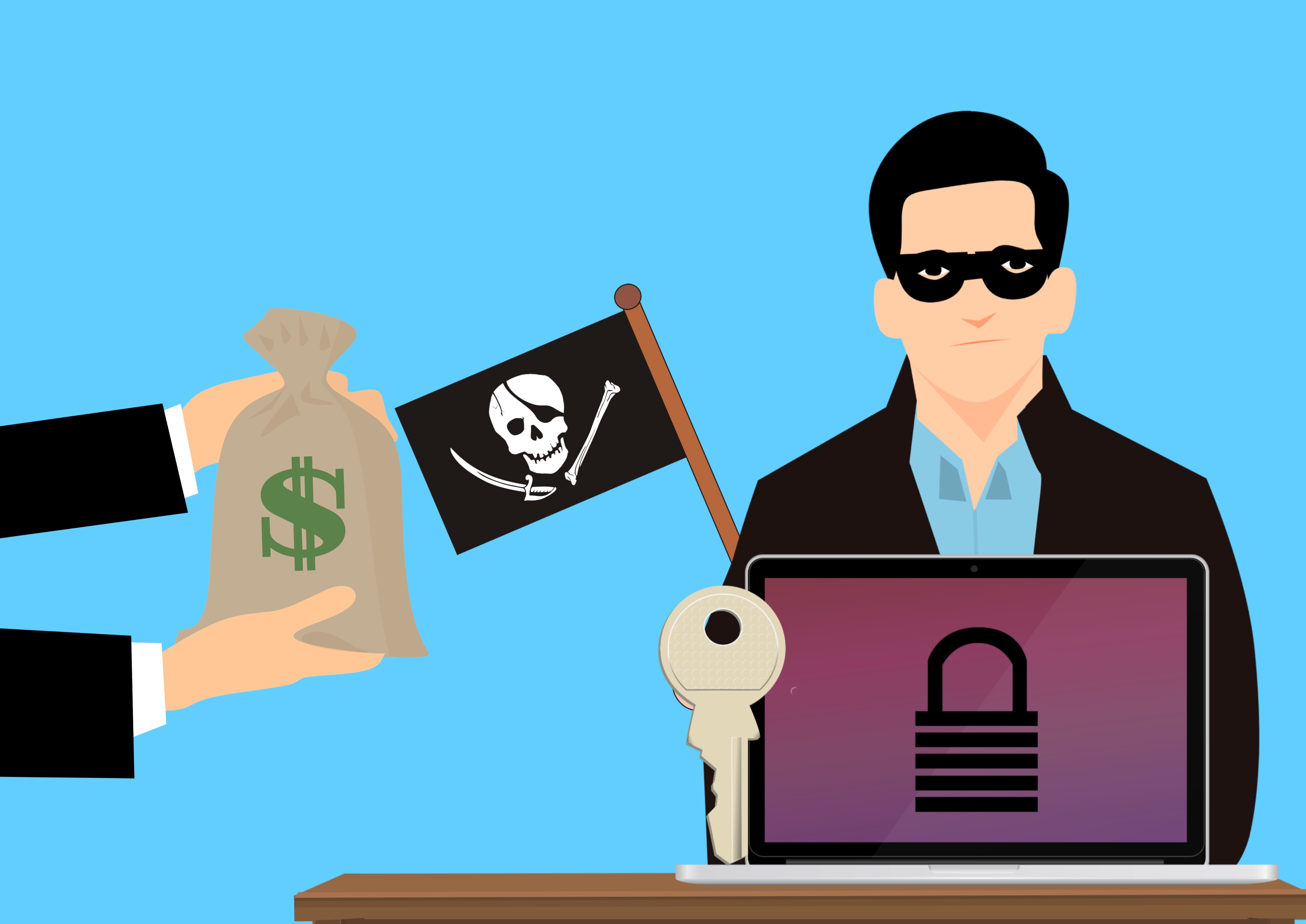
OFAC the Ransomware Gangs
It is time for OFAC to designate every ransomware gang by default. -
Lawfare Daily: Chinny Sharma and Yonathan Arbel on the Promises and Perils of Open-Source AI
What is open-source AI, and how is the AI community responding to it? -
When Regulation Encourages ISPs to Hack Their Customers
The latest edition of the Seriously Risky Business cybersecurity newsletter, now on Lawfare. -
Lawfare Daily: David Rubenstein, Dean Ball, and Alan Rozenshtein on AI Federalism
What's in AI bill SB 1047 pending before the California State Assembly? -
Rational Security: The “Gluten-Free Clam Pizza is the Best Pizza” Edition
This week, a Scott-less Alan and Quinta sat down with Lawfare Tarbell Fellow Kevin Frazier and law school-bound Associate Editor Hyemin Han. -
In NetChoice Cases, SCOTUS Reaffirms Limits to Government Intervention With Online Speech
Though the opinion is likely not the final word on the Texas and Florida laws, it’s an important statement that the Court will not set different rules for online and offline speech.



Topics