Latest in Foreign Relations & International Law
-

Defense Department Issues Annual Report on Military and Security Developments in China
The new report details China’s nuclear advances and growing international influence. -
Lawfare Live: The State of the U.S.-Iraq Relationship
Join us for an event on the U.S.-Iraq relationship. -
The Taliban Haven’t Changed, But U.S. Policy Must
Officials whitewashing the Taliban as a responsible diplomatic party are getting the organization wrong. -
The ODNI Releases Declassified Assessment On the Origins of the Coronavirus
The Office of the Director of National Intelligence intelligence assessment of the origins of coronavirus found that the virus was not developed as a biological weapon. -
What You Need to Know About the New Climate Security Reports
The reports offer a clear-eyed analysis of the climate threats facing the nation and world. -
What Kind of Safe Haven Is Afghanistan?
Al-Qaeda will now have a more permissive environment in which to operate, but the precise context will be important for the U.S. policy response. -
A Hypothetical Command Vision Statement for a Fictional PLA Cyber Command
What would be the impact of other cyber powers adopting U.S. Cyber Command’s Command Vision concepts in pursuing their own security interests? -
Biden Administration Releases Reports on National Security Risks Posed by Climate Change
The Biden administration released a series of new reports detailing the expected effects of climate change and its threats on global security. -
Taking Stock of the New U.S. Trade Policy on China
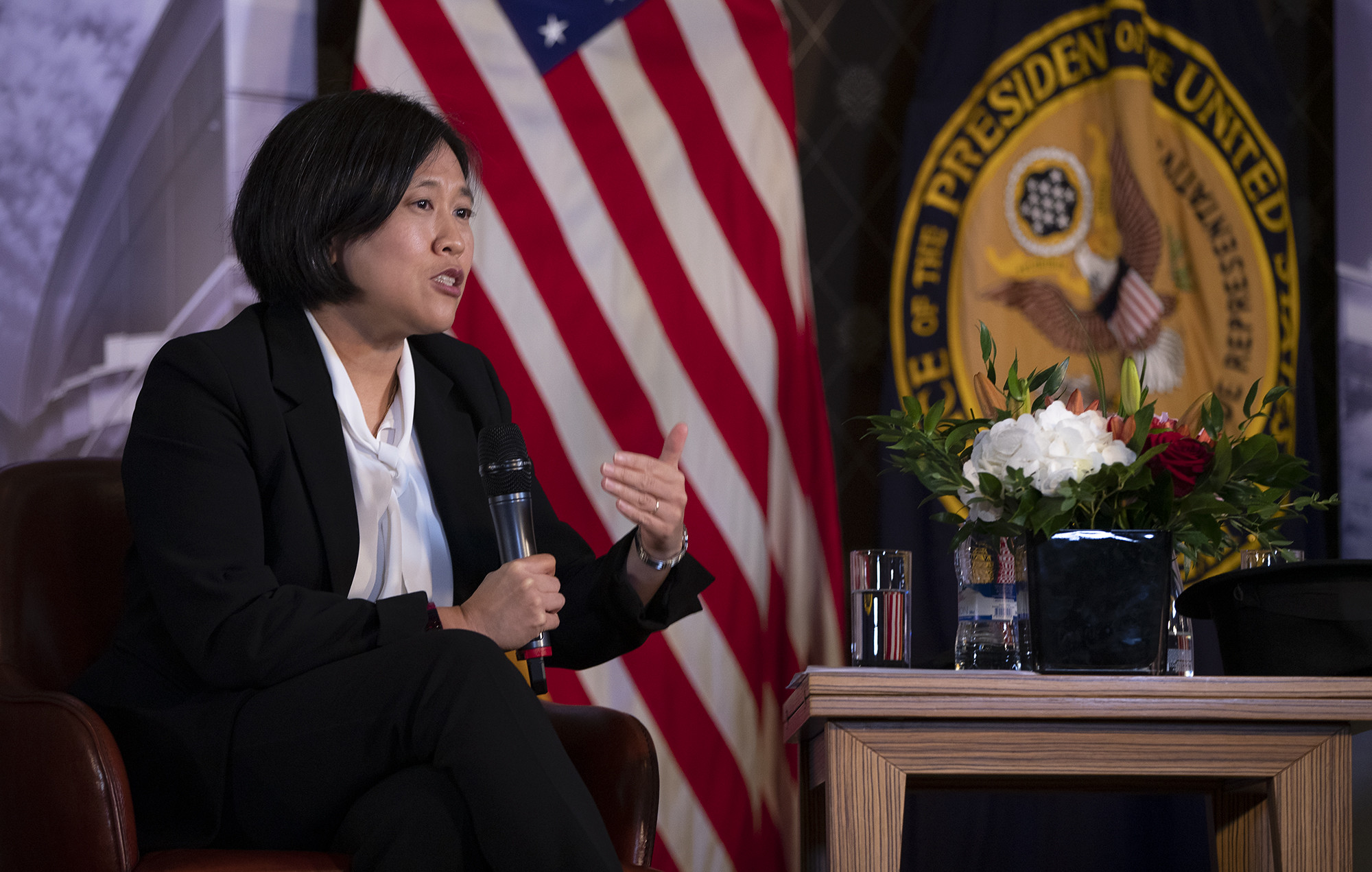
U.S. Trade Representative Katherine Tai delivered a major speech outlining the Biden administration’s strategy to manage China’s “zero-sum” approach to global trade. Here’s what she did and didn’t say. -
Why Right-Wing Extremists Love the Unabomber
White supremacists and other far-right ideologues are drawing inspiration from Ted Kaczynski's anti-technology manifestos. -
CFIUS’s Expanding Jurisdiction in the Magnachip Acquisition
The unprecedented intervention by CFIUS in a business transaction between two predominantly foreign companies demonstrates the growing scope in the jurisdiction of the committee. -
Recalibrating U.S. Counterterrorism: Lessons Learned From Spain
Spain's close counterterrorism cooperation with Morocco provides a model for effective international efforts to prevent terrorist attacks.

-jpg.jpg?sfvrsn=8f0a6b04_0)





Topics