Latest in Foreign Relations & International Law
-

Rational Security: The “Altered State” Edition
Scott Anderson, Benjamin Wittes, and Eric Ciaramella talked through the week’s big national security news stories. -
ChinaTalk: Xi Zhongxun: The Party’s Interests Come First
-
Lawfare Daily: Reparations for Russia's Aggression Against Ukraine with Markiyan Kliuchkovskyi and Patrick Pearsall
Discussing Ukraine's reparations strategy. -
ChinaTalk: Overfit: AI and Media, America’s Deepseek, Plots
-
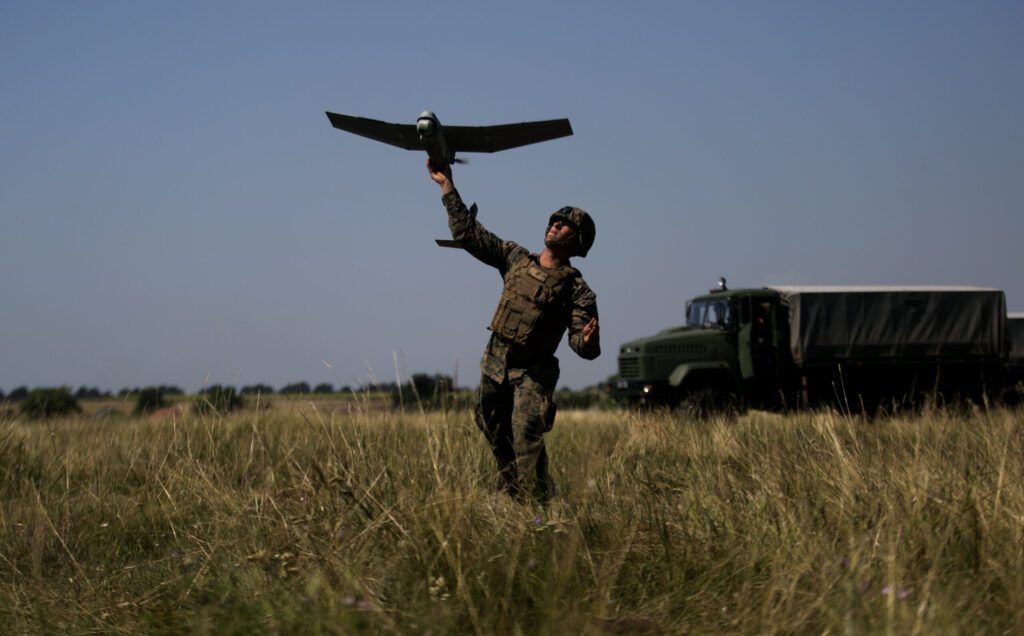
A Return to In-House Weapons Development
In an era of drone warfare, it is past time for the U.S. or other NATO nations to internalize drone research, development, and production. -
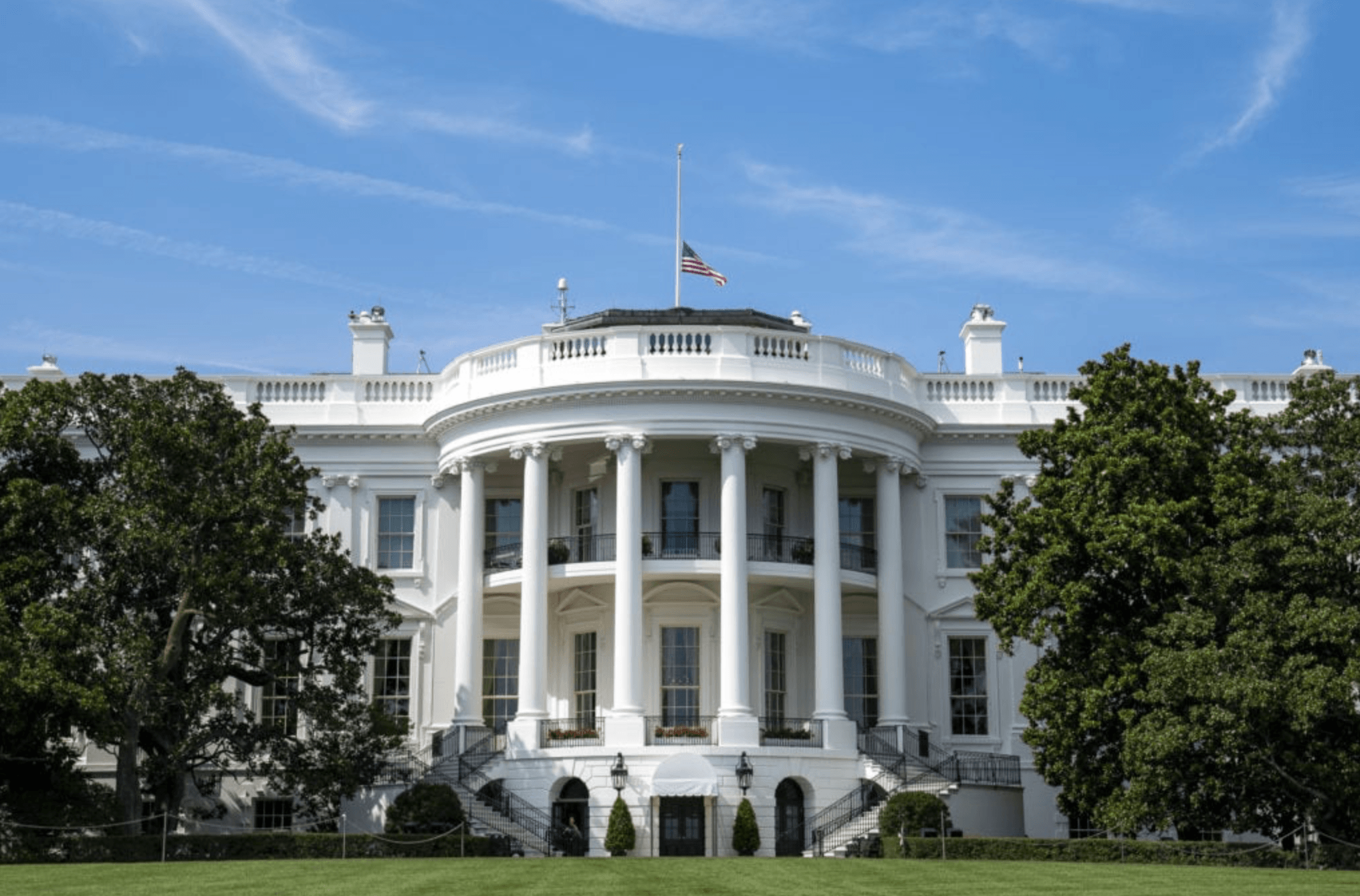
Retconning ‘Russiagate’
The CIA director encourages the rewriting of history. -
How Ukraine Is Challenging Russia in Africa and the Middle East
Both diplomatically and militarily, Ukraine is opening up new fronts against Russia around the world. -
ChinaTalk: Kamil on Coups and Power
-
Trump Is Undermining Policies Against Transnational Repression
The Biden administration made policies to protect exiles and diasporas a priority. Trump 2.0 has already undercut these efforts. -
A Based Deal: The Chagos Agreement Is a Fourfold Win
The recent agreement on U.K. recognition of Mauritian sovereignty over the Chagos Archipelago is a true example of win-win diplomacy. -
ChinaTalk: Are We Cooked? Q2 Check In
-
ChinaTalk: Doug, Dylan,and Jon on Lip-Bu, Labubu, AI Salaries, and Bees




Topics