-

The AI Revolution in Cyber Conflict
The AI revolution will likely empower cyber defense over offense because AI excels at detection but struggles with deception. -
Lawfare Daily: Yaqiu Wang on Surveillance, Censorship, and Emerging Technologies in the PRC
A human right advocate discusses the role of emerging technologies in China’s surveillance apparatus. -
The Situation: But Wait! There’s More!
Just when you thought you had your hands around the problem of the government violating court orders. -
The Prosecution of Smartmatic
A rare corporate FCPA indictment tests whether courts will more closely interrogate prosecutorial motive. -
Breaking Down OMB’s Growing Use of Category C
A tool to withhold federal funds for use in future fiscal years is increasingly being employed to advance administration priorities. -
Scaling Laws: Productivity Boom? Labor Shock? Google's Chief Economist on AI
-
Lawfare Daily: Arne Westad on ‘The Coming Storm’
Arne Westad discusses 19th- and 20th-century power politics. -
Revenge of Rumsfeld’s Fourth Quadrant—Closing the Strait of Hormuz
Iran’s closure of the strait reveals a lack of U.S. operational planning in a foreseeable contingency. -
Security Versus Interoperability: Real Tension or False Dichotomy?
Technology companies cite security risks to push back against antitrust regulation. Are these real risks or just efforts to evade regulation? -
Lawfare Daily: The Trials of the Trump Administration, April 3
Listen to the April 3 livestream as a podcast. -
Myth of the AI Oracle
Even the most capable AI will face limits on its ability to make predictions and substitute for strategic decision-making. -
The Week That Was
Your weekly summary of everything on the site. -
Three Hundred Habeas Cases in Which the Government Has Defied Court Orders
A database of non-compliance with court orders around the country. -
Understanding Iran’s Strategy—Then, Now, and Next
A review of Vali Nasr’s “Iran’s Grand Strategy: A Political History” (Princeton University Press, 2025) -
Congress: Give the President Discretion to Remove the Cuba Embargo
The statutory codification of the Cuba embargo limits U.S. options to change sanctions. -
FISA Section 702 Isn’t Broken. Why Are We Still Trying to Fix It?
Recent statutory reforms are working, so discredited arguments and misleading claims shouldn’t be allowed to derail reauthorization. -
Scaling Laws: Abundance & AI? Nicholas Bagley Explains
-
America's Next Top (Cyber) Model
The latest edition of the Seriously Risky Business cybersecurity newsletter, now on Lawfare. -
Lawfare Daily: The Privacy Law That's Supposed To Be Protecting Us Online Turns 40
Listen to Michael Dreeben's opening remarks from an event marking 40 years of the Electronic Communications Privacy Act. -
Lawfare Live: The Trials of the Trump Administration, April 3
Join the Lawfare team at 4 pm ET for a discussion of the litigation surrounding the Trump administration.
.jpg?sfvrsn=6a13c957_5)




.jpg?sfvrsn=acb4dcea_5)


.jpg?sfvrsn=f8853e6d_5)

.jpg?sfvrsn=c1f65e82_5)
-security.jpg?sfvrsn=982907ba_5)


More Articles
-
Citizens’ Assemblies in AI Governance: An Interview With Audrey Tang
Tang comments on communities and stakeholders increasingly examining alternative mechanisms for change. -
Lawfare Daily: ‘Crossing the Red Line’ in Gaza with Akbar Shahid Ahmed
Akbar Shahid Ahmed discusses his new book on the Biden administration’s Gaza policy. -
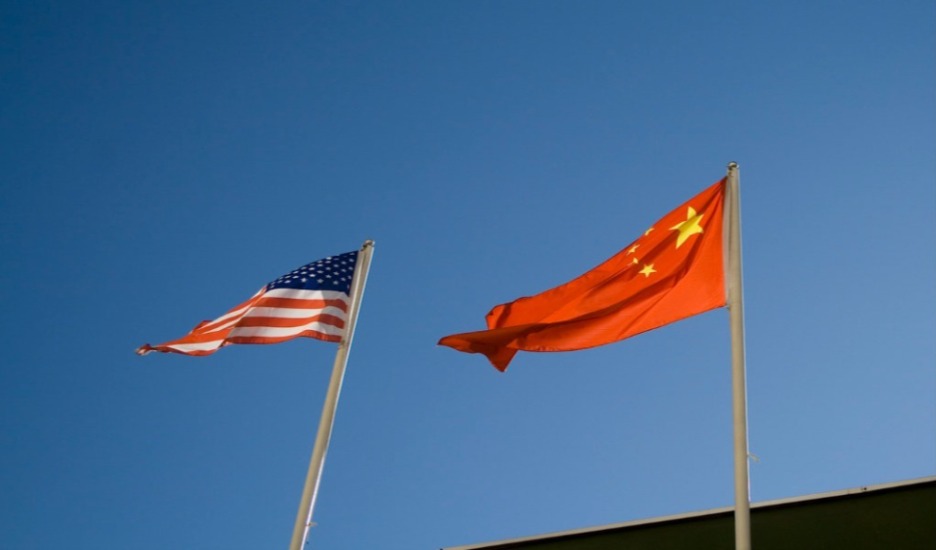
How to Make an AI Deal With China: Trade Throttling for Pacing
China will not agree to an AI pacing deal that puts them permanently in second place. The U.S. must therefore be prepared to use the threat of throttling to encourage a mutual deal.