-

Fred Hiatt
A formative influence on me and my work—and thus on Lawfare, too. -
Today’s Headlines and Commentary
Lawfare’s daily roundup of national security news and opinion. -
Rational Security 2.0: The ‘Bad Vlad’ Edition
-
The Lawfare Podcast: Making Sense of the Crisis in Ethiopia
-
Winter Supplement for 'Bradley, Deeks, & Goldsmith, Foreign Relations Law: Cases and Materials'
-
ChinaTalk: CSET: How to Break the Think Tank Mold
-
National Security by Platform
Understanding the new dynamic between government policy and private platforms is crucial to understanding the modern geopolitical environment. -
Today’s Headlines and Commentary
Lawfare’s daily roundup of national security news and opinion. -
The Lawfare Podcast: COVID and Intelligence with Eric Swalwell, Julie Gerberding and Matt Berrett
-
Why the FCC Expelled a Chinese Telecom for National Security Risks
The FCC issued an order barring China Telecom from providing telecommunications services in the United States. -
The Cyberlaw Podcast: Does a Dead Horse Have a Right to Self-Defense?
-
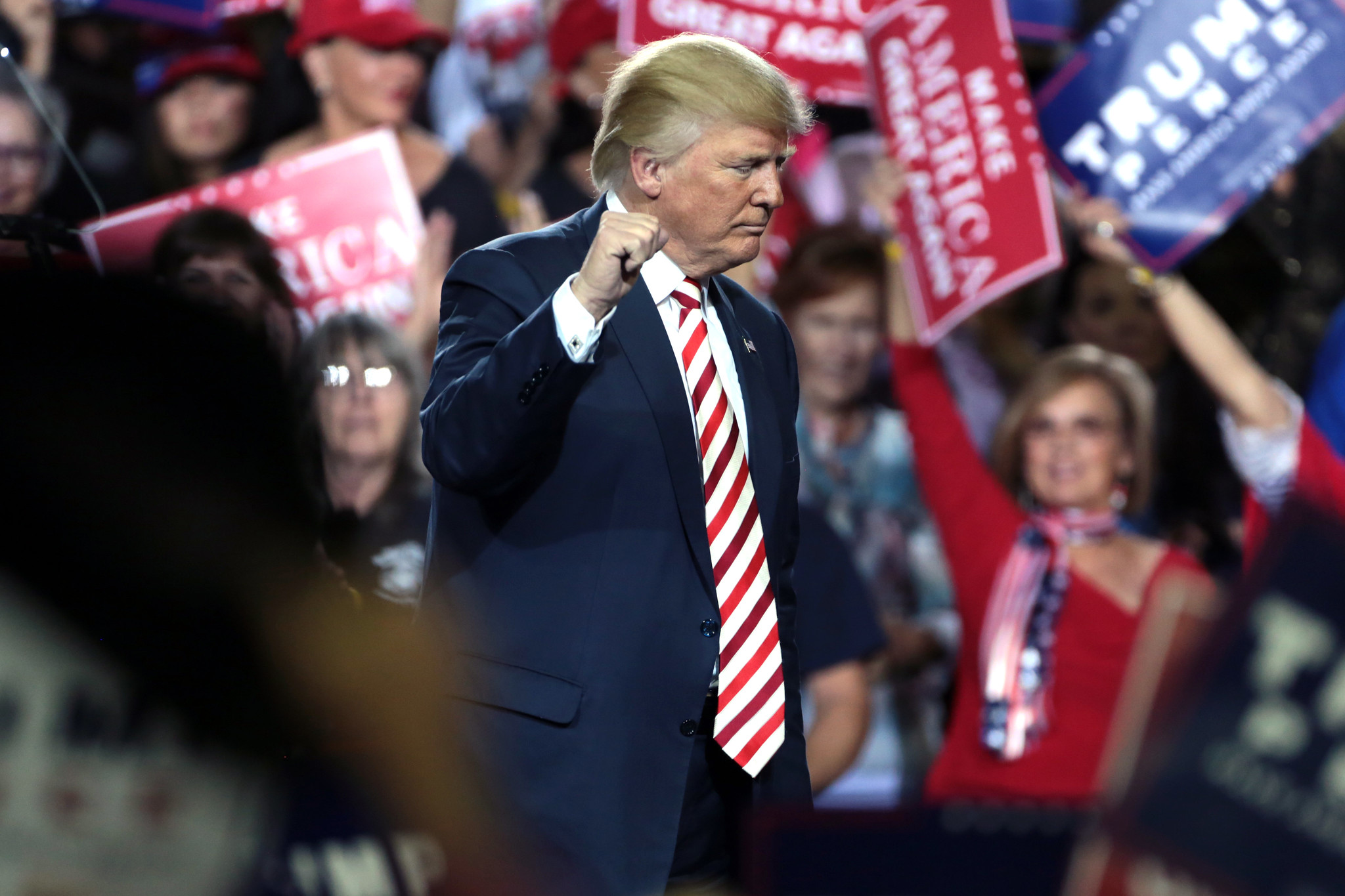
Trump’s Judicial Campaign to Upend the 2020 Election: A Failure, But Not a Wipe-Out
While Trump lost the 2020 election litigation battle, he received more judicial support than you might think. -
The Week That Will Be
Lawfare's weekly roundup of event announcements and employment opportunities. -
Today’s Headlines and Commentary
Lawfare’s daily roundup of national security news and opinion. -
The Lawfare Podcast: Another Week of Impeachment
-
The Lawfare Podcast: Trouble Brewing in Ukraine
-
Federal Intervention, Conflict and Drought in the American West
Land management has long been fuel for unrest west of the Mississippi. Will extreme drought and climate change amplify the risk? -
How Crowd-Forecasting Might Decrease the Cybersecurity Knowledge Deficit
Can we apply the techniques of crowd-forecasting for better cybersecurity? -
How the President Can Shape the Role and Oversight of the National Cyber Director
The national cyber director’s lack of independent legal authority, combined with Senate confirmation, gives the president broad latitude to shape this role and authority within the executive branch. -
The Historian’s Approach to Understanding Terrorism
Historians' knowledge of primary sources, contextual nuances and contingent events show that they have much to offer scholars and policymakers working on terrorism.









More Articles
-
After Good Faith: Intelligence Oversight in the New Congress
Congress should demand answers about the assault on the intelligence community. -
Addressing Iran’s Plutonium Pathway
While talks have focused on uranium enrichment, negotiating a durable deal also requires closing off Iran’s other potential route to developing a nuclear weapon. -
The Week That Was
Your weekly summary of everything on the site.