-

Regulation or Repression? How the Right Hijacked the DSA Debate
The conversion of a disinformation code from self-regulation to requirement sparks an international tiff. What’s really happening? -
The Strategic Role of the State Department’s Counterterrorism Bureau
The bureau’s role in shaping U.S. counterterrorism strategy is indispensable—but it needs to adapt and be adequately resourced. -
The Light That Only a Trial Can Shed
A review of Emmanuel Carrere, V13: Chronicle of a Trial (Farrar, Straus and Giroux 2024) -
Lawfare Daily: Trials of the Trump Administration, May 30
Listen to the May 30 livestream as a podcast. -
The Situation: Ten and Five Theses
A modern disputation on the power and efficacy of indulgences -
Foreign Economic Investment Kills Independence Hopes in Balochistan
A recent bid for Baloch secession is unlikely to gain traction. -
The Week That Was
Your weekly summary of everything on the site. -
The Second Circuit’s Halkbank III Decision
The Second Circuit ruled that the bank is not protected by common law foreign sovereign immunity—unless the Supreme Court decides otherwise. -
The House Reconciliation Bill’s AI Preemption Clearly Violates the Byrd Rule
It strains credulity to claim that broad preemption of state AI regulation for the next decade is a necessary term or condition of an appropriation of $500 million for the Department of Commerce to updat... -
Russia's Cybercriminals and Spies Are Officially in Cahoots
The latest edition of the Seriously Risky Business cybersecurity newsletter, now on Lawfare. -
Lawfare Daily: Josh Batson on Understanding How and Why AI Works
Discussing the significance of interpretability and explainability. -
ChinaTalk: Doug, Dylan and Jon on Nvidia + Saudi/UAE
-
The WITAOD Chronicles
One woman’s maddening search for the head of a non-existent federal agency. -
Lawfare Live: Trials of the Trump Administration, May 30
Join the Lawfare team at 4 pm ET for a discussion of the litigation targeting actions from President Trump. -
Are We Ready for a ‘DeepSeek for Bioweapons’?
Anthropic’s Claude 4 is a warning sign: AI that can help build bioweapons is coming, and could be widely available soon. -
Personal Jurisdiction in Fuld v. PLO and U.S. v. PLO
The Supreme Court will decide whether U.S. federal courts’ jurisdiction for conduct outside of the U.S. violates due process guarantees. -
Lawfare Daily: Minna Ålander on Finland, NATO, and the Russian Threat
Why is the Russian military putting forces near Finland? -
The Situation: They Just Can’t Help Themselves
Why does the administration keep picking First Amendment fights it can’t possibly win? -
New Facts About the RDI Program and the Treatment of a 9/11 Defendant
An April military commission opinion suppressing torture-tainted evidence is now publicly available. -
Cybersecurity Risk From Kaspersky to TikTok
A new Justice Dept. rule limiting foreign access to U.S. data is the latest effort to address globalized data and technology supply chains.


.png?sfvrsn=6ffe304c_5)


More Articles
-
The Russia-Iran Partnership
Why Moscow is helping Iran fight the United States and Israel. -
The Week That Was
Your weekly summary of everything on the site. -
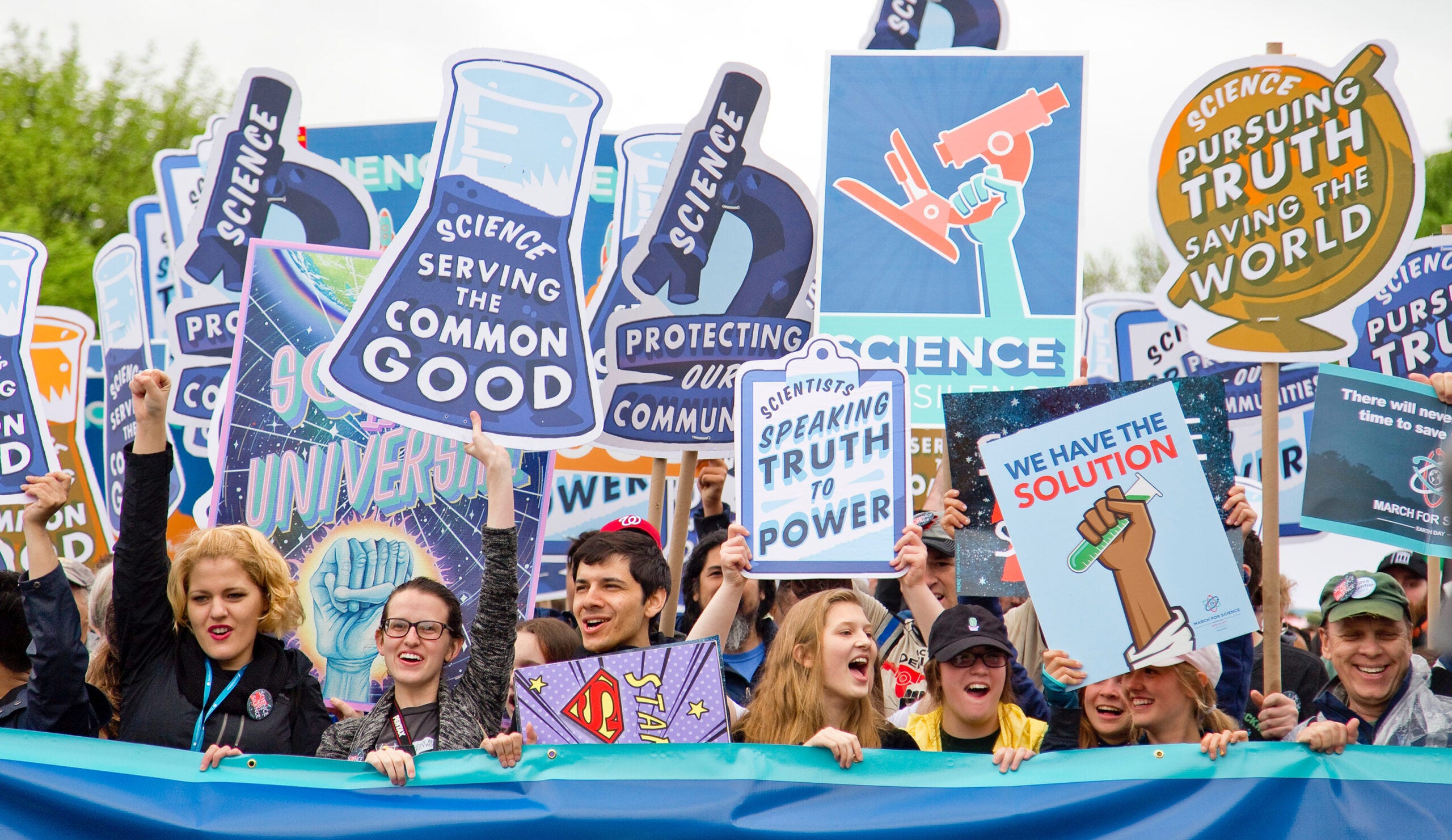
From Endless Frontier to Enemy of the People: The Assault on Public Science
A review of Michael E. Mann & Peter J. Hotez, “Science Under Siege: How to Fight the Five Most Powerful Forces That Threaten Our World” (Public Affairs, 2025)