-
In the event of an armed attack, the United States “reserves the right to determine for itself what military action, if any, is appropriate.”
-
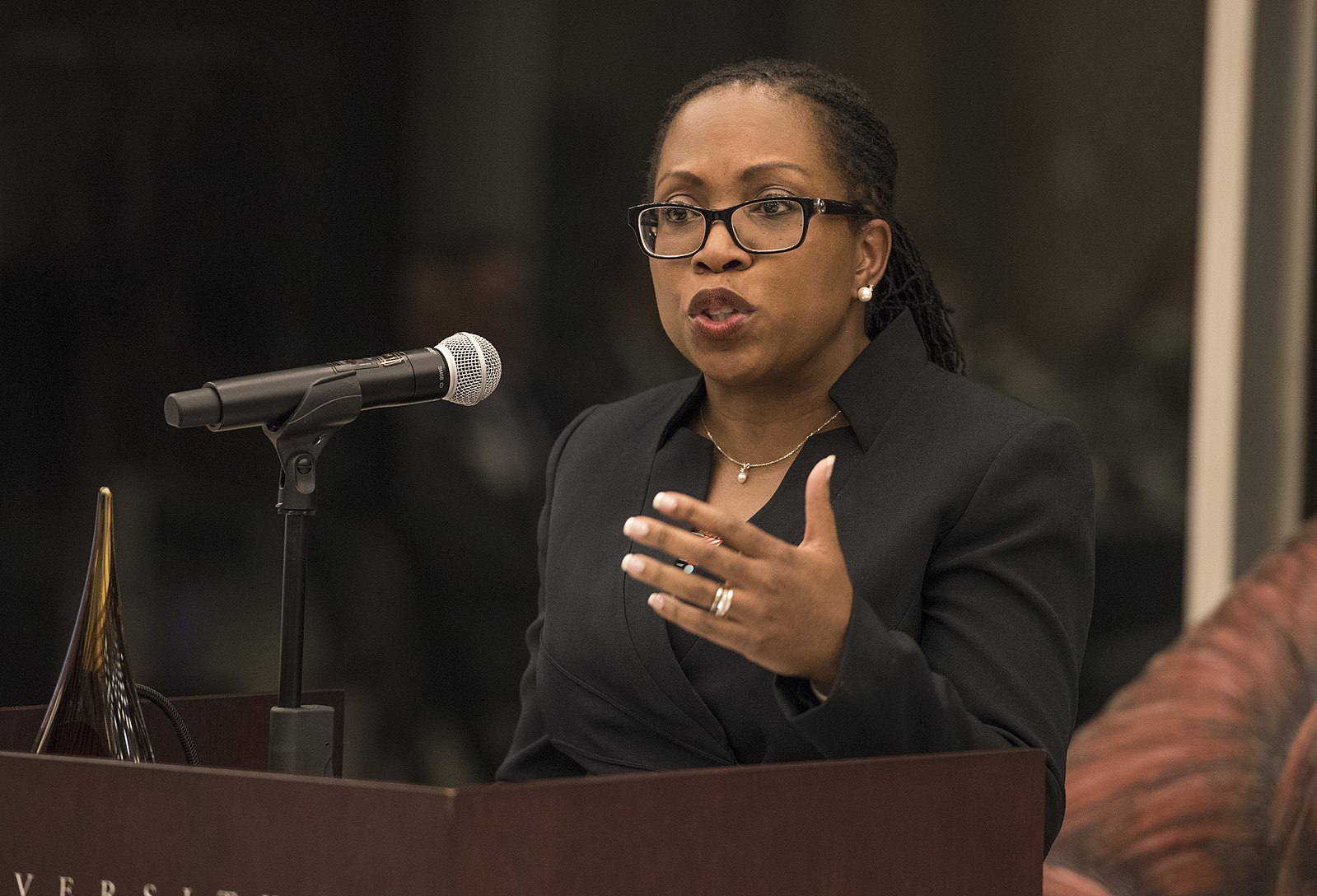
In February, President Biden nominated Judge Ketanji Brown Jackson to the U.S. Supreme Court. We reviewed several of Jackson’s opinions to see what they might reveal about her views on issues relevant to...
-
In many respects, the U.S. has never been closer to imposing equal draft registration requirements on both men and women than it was in 2021.
-
FOSTA, which became law in 2018, deserves greater attention as a cautionary tale about what can go wrong with reforms of § 230.
-
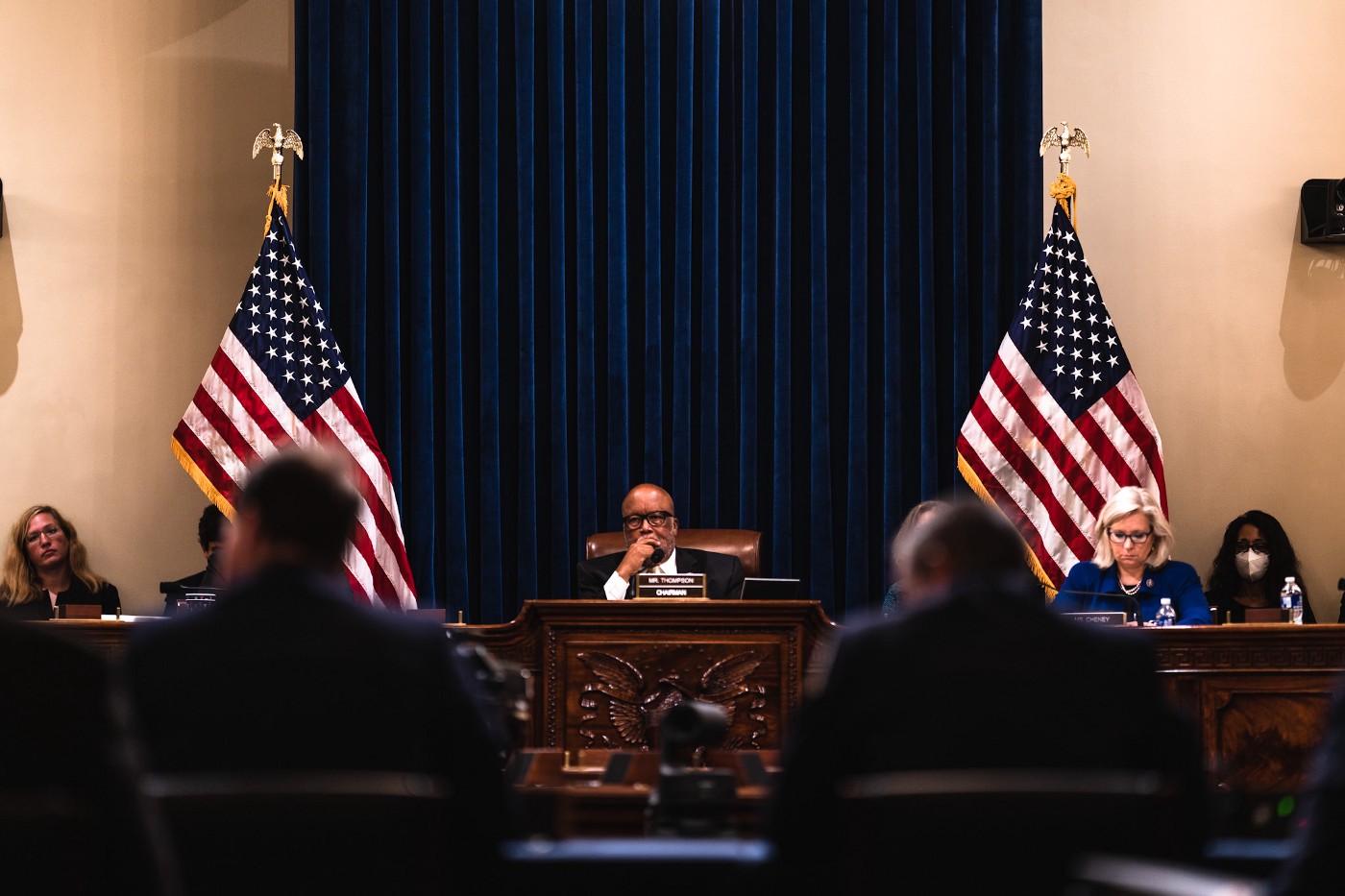
In a court filing, the select committee said Trump and allies may have conspired to commit fraud and obstruction in their attempt to overturn the 2020 election.
-
Congress needs to immediately amend the War Crimes Act to align federal criminal jurisdiction over war crimes with the international law concept of universal jurisdiction.
-
In late 2021, Congress reformed the military justice system in a way that materially alters the traditional division of prosecutorial responsibility between nonlawyer military commanders and uniformed la...
-
As Congress moves towards conference consideration of major China-related legislation, funding for domestic semiconductor manufacturing will feature prominently.
-
Where is Congress on cyber reporting requirements?
-
In this post, we offer a guide on the authority of a congressional committee to issue a subpoena to a sitting member of Congress—and the potential to have that subpoena enforced if the recipient defies it.
-
The Torres decision will not only determine if protections are available to hundreds of thousands of veterans against employment discrimination but also could have broader ramifications for the war power...
-
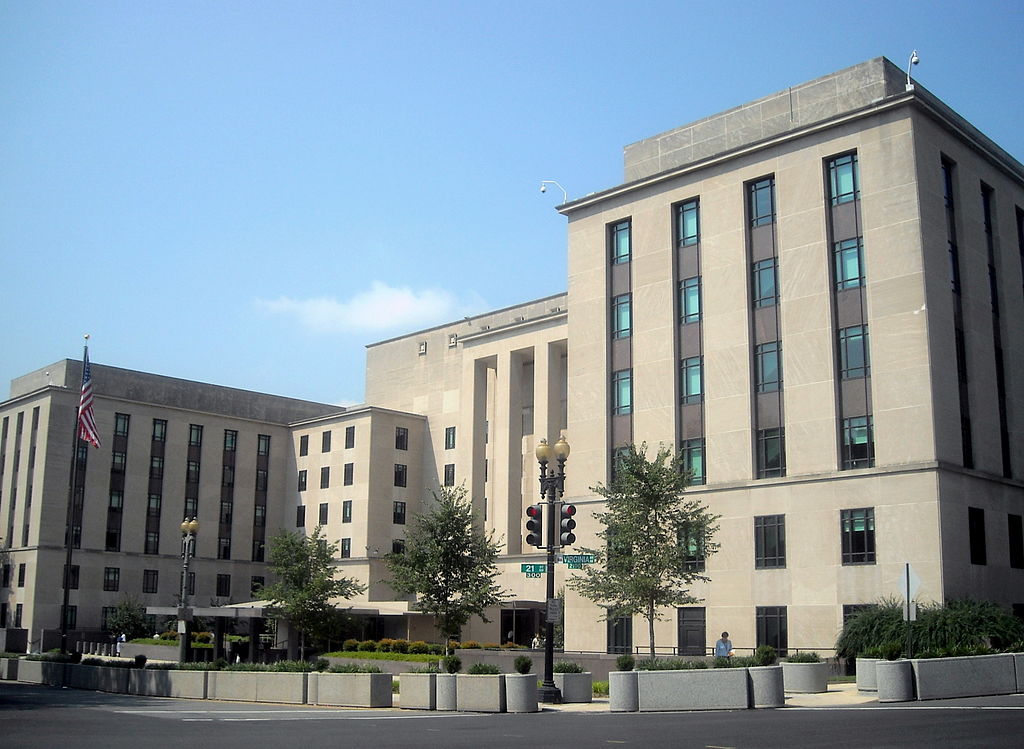
With the Department of State Authorization Act of 2021, President Biden signed into law substantial constraints on ad hoc diplomatic appointments. Here’s an explainer on the new law’s background and key ...