Latest in Courts & Litigation
-

Lawfare Daily: Trials of the Trump Administration, Aug. 1
Listen to the Aug, 1 livestream as a podcast. -
The Situation: A Bove the Law II
What to do about the Senate’s confirmation of a lawless judge -
What’s Happening in the New Jersey U.S. Attorney’s Office?
Alina Habba’s problematic appointment reflects the administration’s disregard for Congress’s role in structuring the executive branch. -
Lawfare Live: Trials of the Trump Administration, Aug. 1
Join the Lawfare team at 4 pm ET for a discussion of the litigation targeting actions from President Trump. -
The Situation: A Bove the Law
Another new low from Senate Republicans -
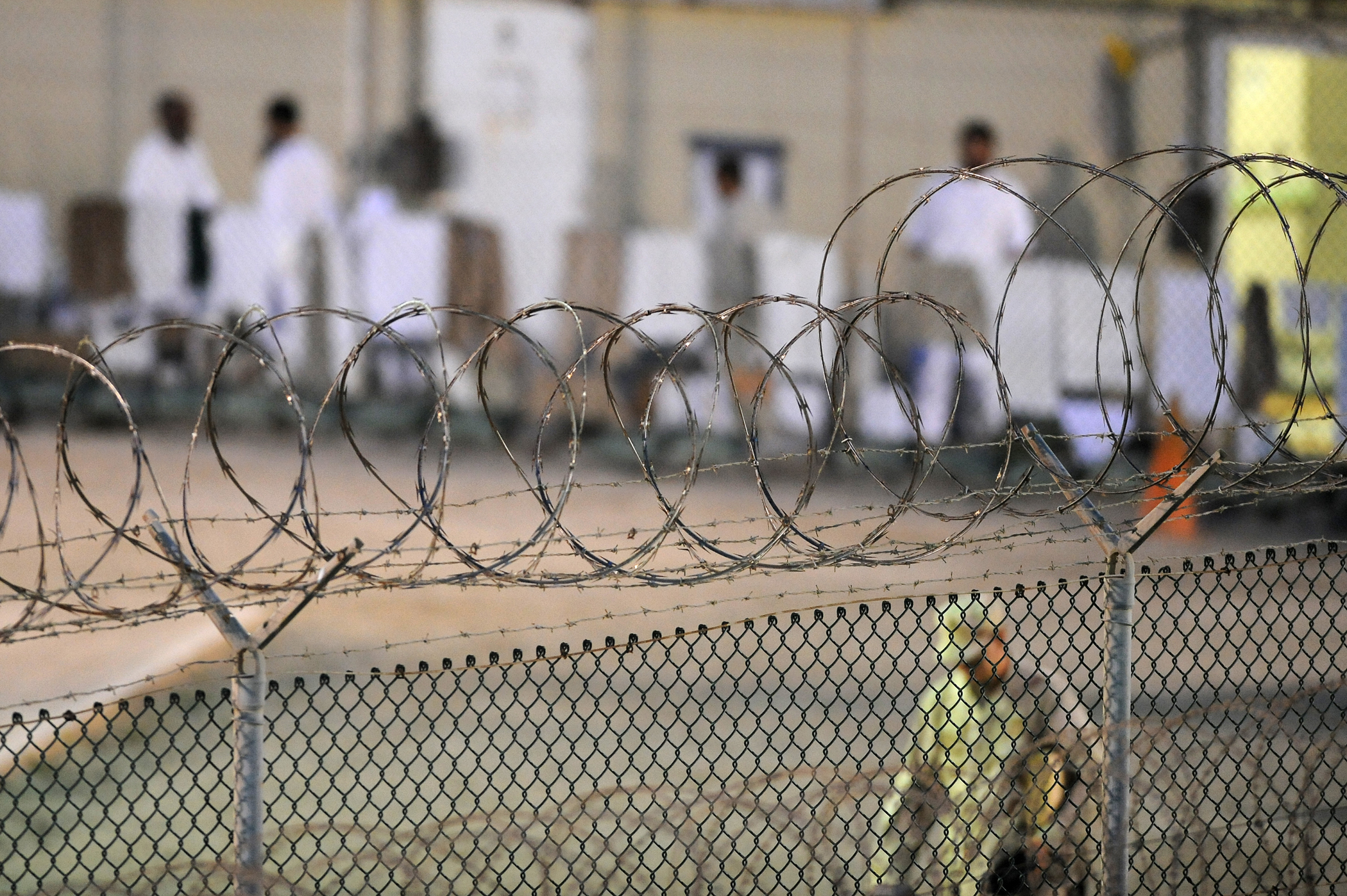
The D.C. Circuit Rules on the 9/11 Guilty Pleas—and Says Much More
The 2-1 opinion is a signal—whether intentional or not—that the majority believes the Guantanamo military commissions have failed. -
Rational Security: The “SkrillEx Parte” Edition
Scott Anderson, Natalie Orpett, Kevin Frazier, and Tyler McBrien talked through the week’s big national security news stories. -
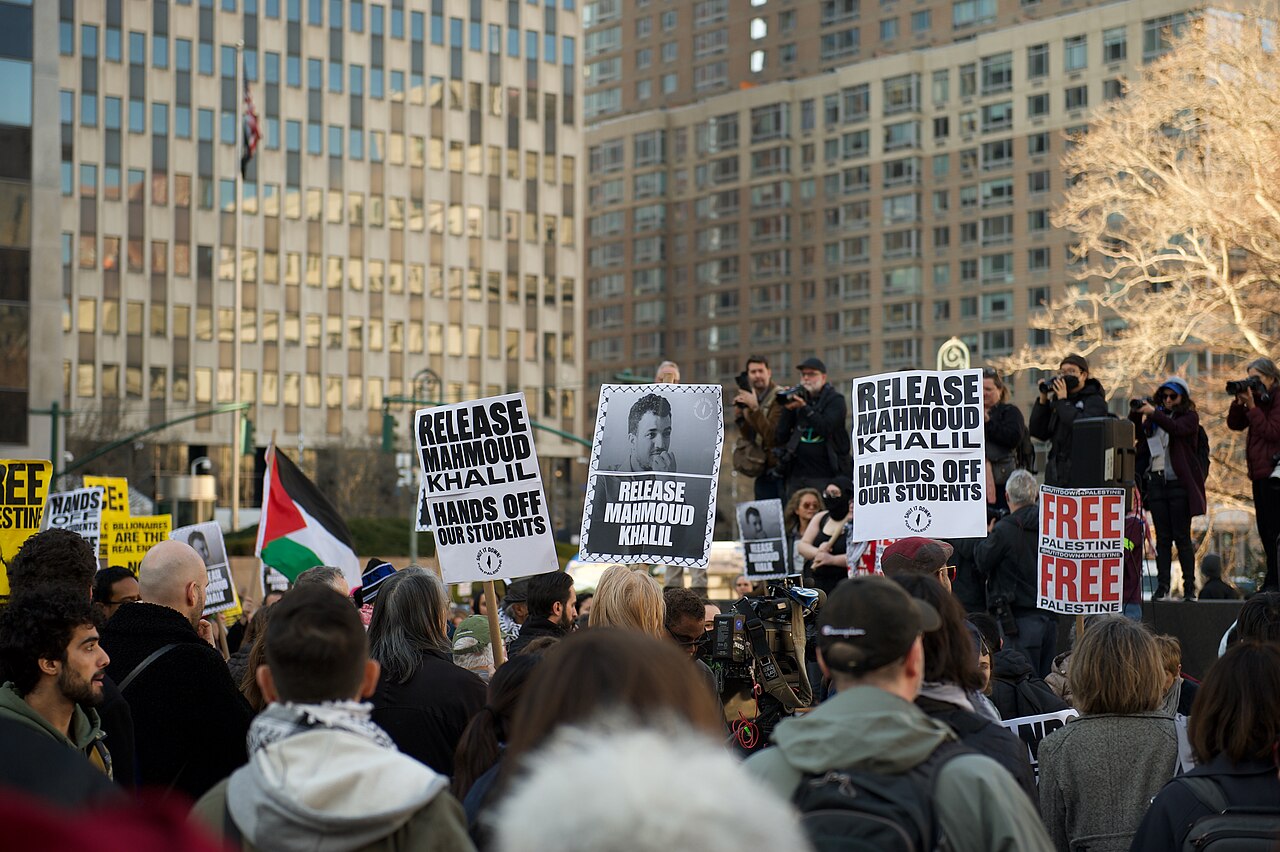
The Trump Admin’s Embrace of Ideological Exclusion and Deportation
The targets, rhetoric, and legal justifications of ideological exclusion and deportation may change over time, but the motivation—suppressing dissent—remains the same. -
Lawfare Daily: Trials of the Trump Administration, July 25
Listen to the July 25 livestream as a podcast. -
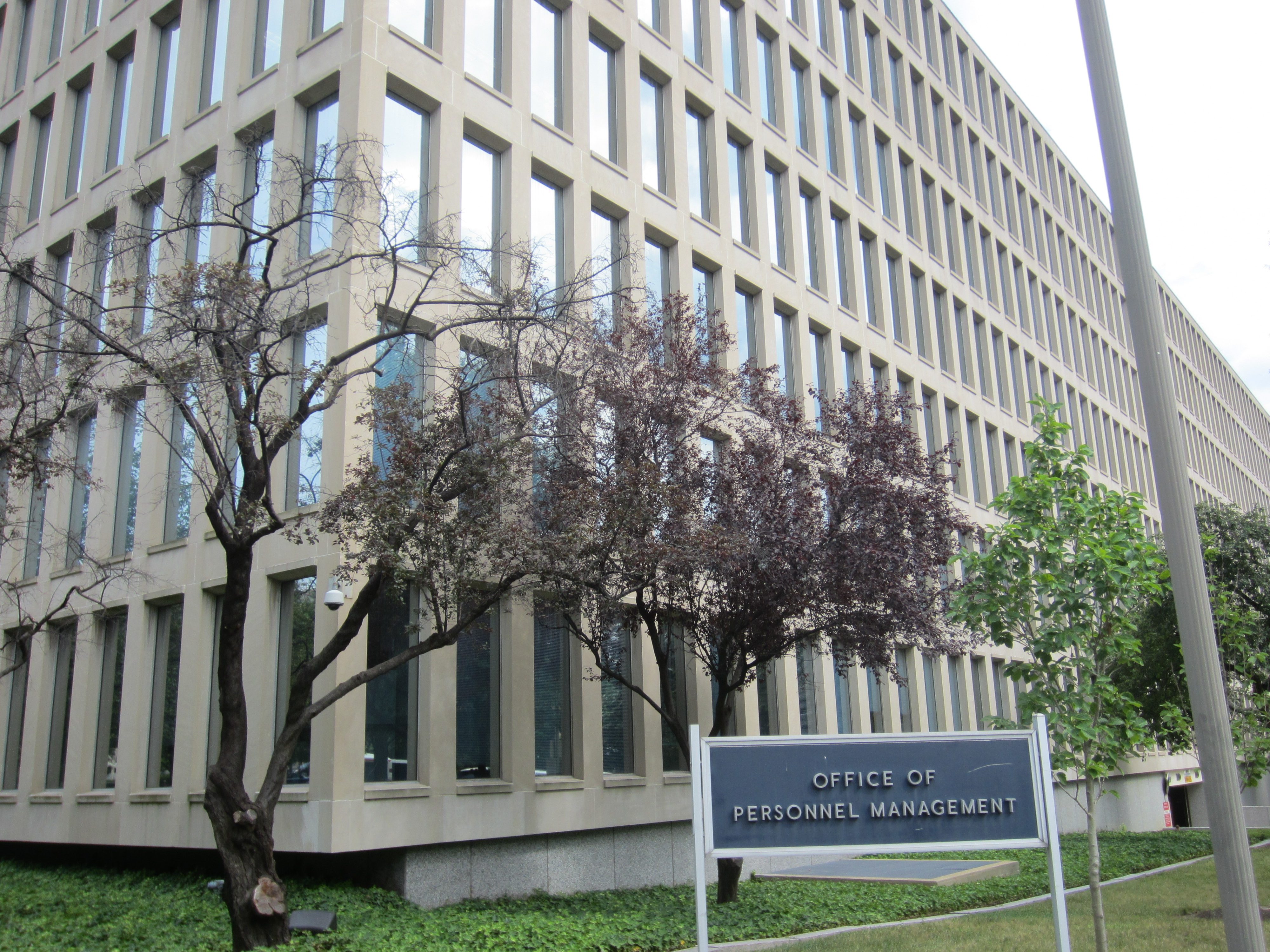
The End Game for Schedule G
Schedule G reflects a broader trend of moving the civil service back toward a patronage system, favoring loyalty over expertise. -
Lawfare Live: Trials of the Trump Administration, July 25
Join the Lawfare team at 4 pm ET for a discussion of the litigation targeting actions from President Trump. -
A Constitutional Safety Valve for Effective Universal Relief
The Supreme Court’s decision in Trump v. CASA identified three possible routes to obtaining nationwide injunctions. The Constitution preserves a fourth.
.jpg?sfvrsn=8b09cc66_5)


Topics