Latest in Courts & Litigation
-

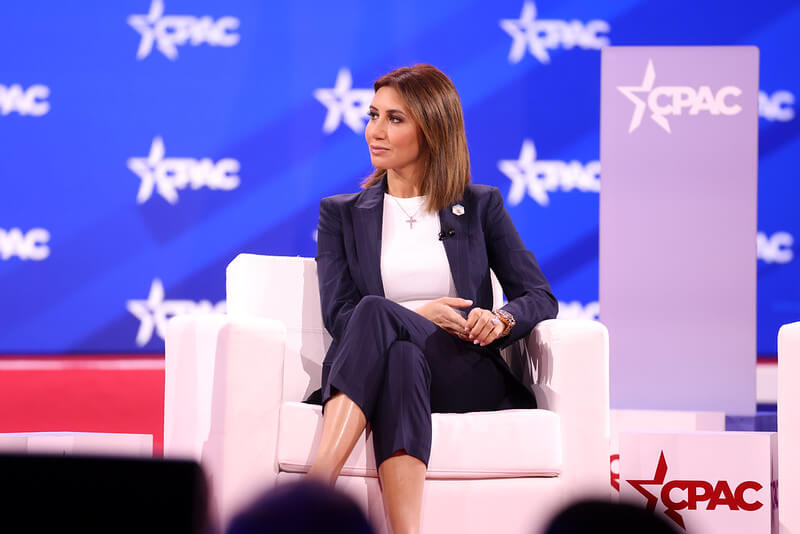
Federal Judge Rules Habba Lacks Legal Authority as U.S. Attorney
The decision concluded that Alina Habba, New Jersey’s acting U.S. attorney, had been serving without lawful authority since July 1. -
N.Y. Appeals Court Voids Fine, Upholds Judgement Against Trump
Although the court upheld Justice Engoron’s judgement, it found the $500 million penalty imposed “excessive” under the Eighth Amendment. -
Lawfare Live: Trials of the Trump Administration, Aug. 22
Join the Lawfare team at 4 pm ET for a discussion of the litigation targeting actions from President Trump. -
Lawfare Daily: The Trials of the Trump Administration, Aug. 15
Listen to the Aug. 15 livestream as a podcast. -
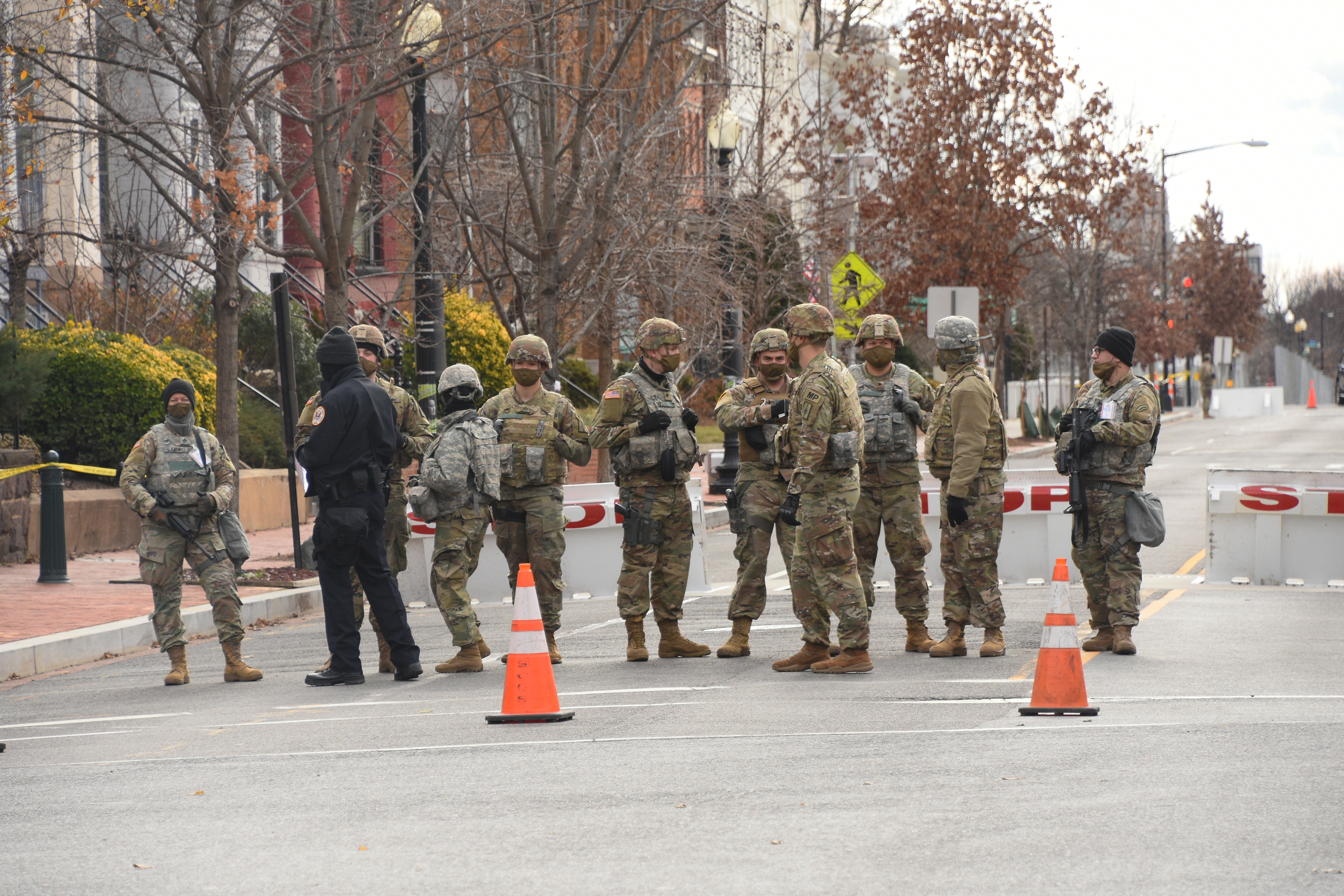
District of Columbia v. Trump: A Hearing Diary
A play-by-play of the temporary restraining order hearing in D.C.'s suit challenging the Trump administration’s attempt to take control of the Metropolitan Police Department -
Lawfare Live: Trials of the Trump Administration, Aug. 15
Join the Lawfare team at 4 pm ET for a discussion of the litigation targeting actions from President Trump. -
Scaling Laws: The Legal Maze of AI Liability: Anat Lior on Bridging Law and Emerging Tech
Should agency law be used to address the legal challenges posed by AI agents? -
Does the Posse Comitatus Act Apply at Guantanamo?
Evidence suggests that Guantanamo is a de facto U.S. territory. For that reason—among others—PCA violations committed there are actionable. -
Lawfare Daily: The Trials of the Trump Administration, Aug. 8
Listen to the Aug. 8 livestream as a podcast. -
Lawfare Live: Trials of the Trump Administration, Aug. 8
Join the Lawfare team at 4 pm ET for a discussion of the litigation targeting actions from President Trump. -
The Dangerous Appeal of Military Insubordination
A rebuttal to Parsons’s civil-military argument. -
The Situation: Confronting the Corrupt State
Contemplating strategies of non-cooperation.
.jpg?sfvrsn=cb803a66_6)

.jpeg?sfvrsn=e13b9854_7)
Topics