-

The Lawfare Podcast, Trump's Trials and Tribulations: Waiting for the D.C. Circuit
Listen to this week's episode of Trump's Trials and Tribulations -
The Week That Was: All of Lawfare in One Post
Your weekly summary of everything on the site. -
Tech Tank: What is the Future of Children's Online Data Privacy in the U.S.?
-
ChinaTalk: Is the NSC Unwell?
-
Lessons From Israel’s Rise as a Cyber Power
A review of “Israel and the Cyber Threat: How the Startup Nation Became a Global Cyber Power” by Charles D. Freilich, Matthew S. Cohen, and Gabi Sabonoi. -
U.S. and U.K. Submit Article 51 Letters to the U.N. Security Council on Middle East Operations
The letters shed light on the states’ views of the legality of their military actions as self-defense operations. -
U.S. Data Dumpster Fire Singes NSA + The Evolution of Election Disinformation
The latest edition of the Seriously Risky Business cybersecurity newsletter, now on Lawfare. -
Mind the Gap: America Needs an Office of Technology Net Assessment
After costly misses on semiconductors and 5G, the United States needs to level up its analysis of long-term technology trends to better anticipate threats and secure its leadership. -
The Lawfare Podcast: Sam Moyn and Ilya Somin on Disqualifying Trump Under Section 3
How might the Supreme Court decide Trump v. Anderson? -
The U.S.’s FAR-Reaching New Cybersecurity Rules for Federal Contractors
Forthcoming cybersecurity rules for federal contractors increase not only the requirements contractors have to follow but also the regulatory reach of federal agencies. -
Biden Administration Issues Executive Order on West Bank Instability
The order cites “intolerable levels” of violence in the West Bank by Israeli settlers as threatening U.S. interests in the region. -
Rational Security: The “Meatlovers” Edition
This week, Quinta Jurecic and Scott Anderson were joined by Lawfare Editor-in-Chief Benjamin Wittes to talk over the meaty week of national security news. -
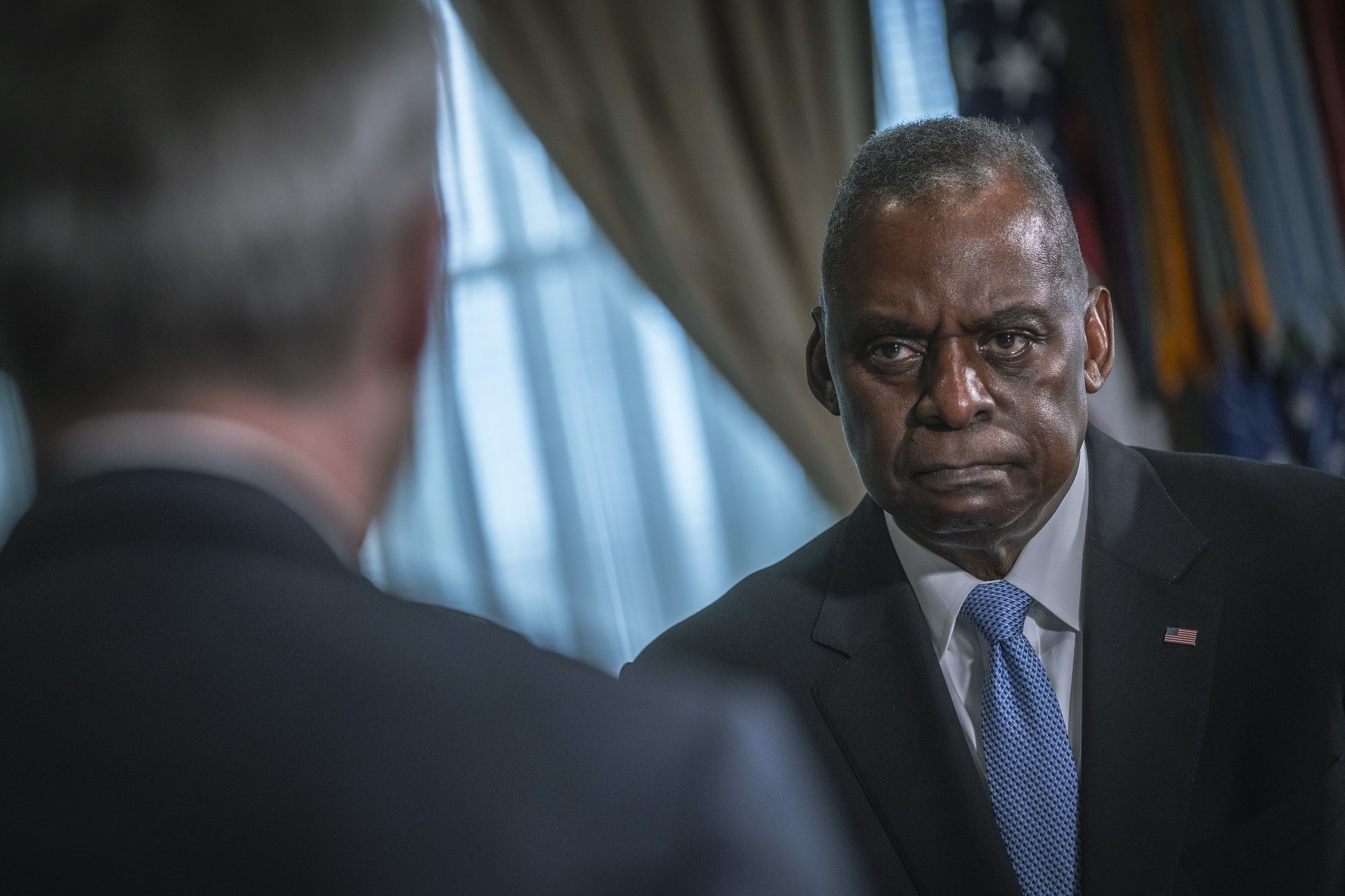
Livestream: Lloyd Austin to Hold Press Briefing
Secretary of Defense Lloyd Austin will hold a televised press briefing on an unspecified matter. -
Chatter: The Long History of U.S. Foreign Disaster Aid, with Julia Irwin
What was the genesis of USAID and other governmental entities? -
To Solve Democracy’s Problems, Look to Natural Resource Management
Public attention to politics is a common good. -
The Lawfare Podcast: James A. Heilpern on Why Section 3 Reaches Presidents
Did the authors of Section 3 intend for it to apply to presidents? -
Law and the Biden Administration’s Response to the Attack in Jordan
Despite adopting a new and more flexible legal theory, international legal and policy considerations are likely to constrain how it can respond. -
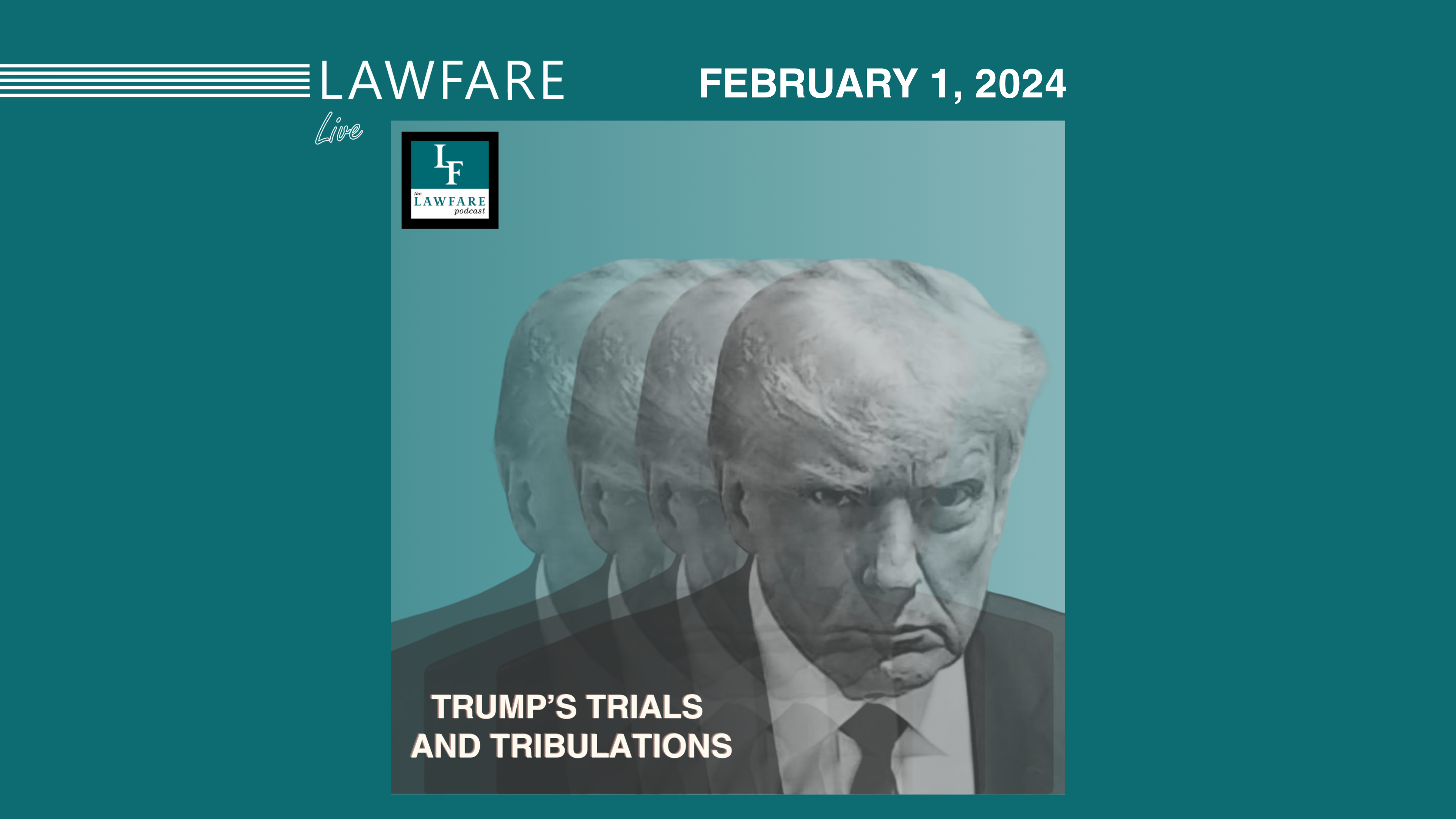
Lawfare Live: Trump's Trials and Tribulations, Feb. 1
Join the Lawfare team for a discussion of the trials of Donald Trump -
The Lawfare Podcast: ‘Find Me the Votes’ with Dan Klaidman and Michael Isikoff
What led to Donald Trump's indictment in Fulton County last August? -
Why TikTok’s Victory in Montana Might be Bad News for the Platform
TikTok’s victory in Montana (not to mention its defeat in Texas) paradoxically bodes poorly for TikTok’s ability to challenge a federal ban.






More Articles
-
Dispatch: In ‘Fake News’ Ban Hearing, Trump Is His Own DOJ’s Worst Enemy
The government argues CNN v. Trump is about national security. The president says it's about “bad stories.” -
Why the U.S. Military Has Never Threatened Civilian Governance
A review of “The State and the Soldier: A History of Civil-Military Relations in the United States” (Polity, 2025). -
Lawfare Daily: The U.S. Withdrawal from Iraq and the Future of the Iraq-U.S. Relationship
A panel of Iraq experts discusses what the U.S. withdrawal from Iraq means for the region.