-

Justice Dept. Pushes Back on Trump Effort to Delay MAL Trial
The department argued that the trial date should remain set for December 2023. -
Rational Security: The “Long Middle Finger of Europe” Edition
This week, Alan Rozenshtein, Quinta Jurecic, and Scott Anderson were joined by Ravi Agrawal, Editor in Chief of Foreign Policy Magazine, to talk through the week’s big national security news. -
White House Releases Implementation Plan for National Cybersecurity Strategy
The implementation plan is a roadmap to accomplishing the objectives announced in March. -
A New Senate Report Undermines FBI Excuses About Jan. 6
The report pulls no punches in describing the failures of the FBI and the Department of Homeland Security in advance of the insurrection. -
Chatter: Renaming Military Bases and Principled Conservatism with Kori Schake
-
The Military Commissions Can’t Seem to Quit Torture Evidence
The government and defense agree it’s illegal to use torture-obtained evidence. In Nurjaman, military commissions authorized it anyway. -
The Lawfare Podcast: Catching Up on the Trump Trials
What is the status of the investigations into and prosecutions against former President Donald Trump? -
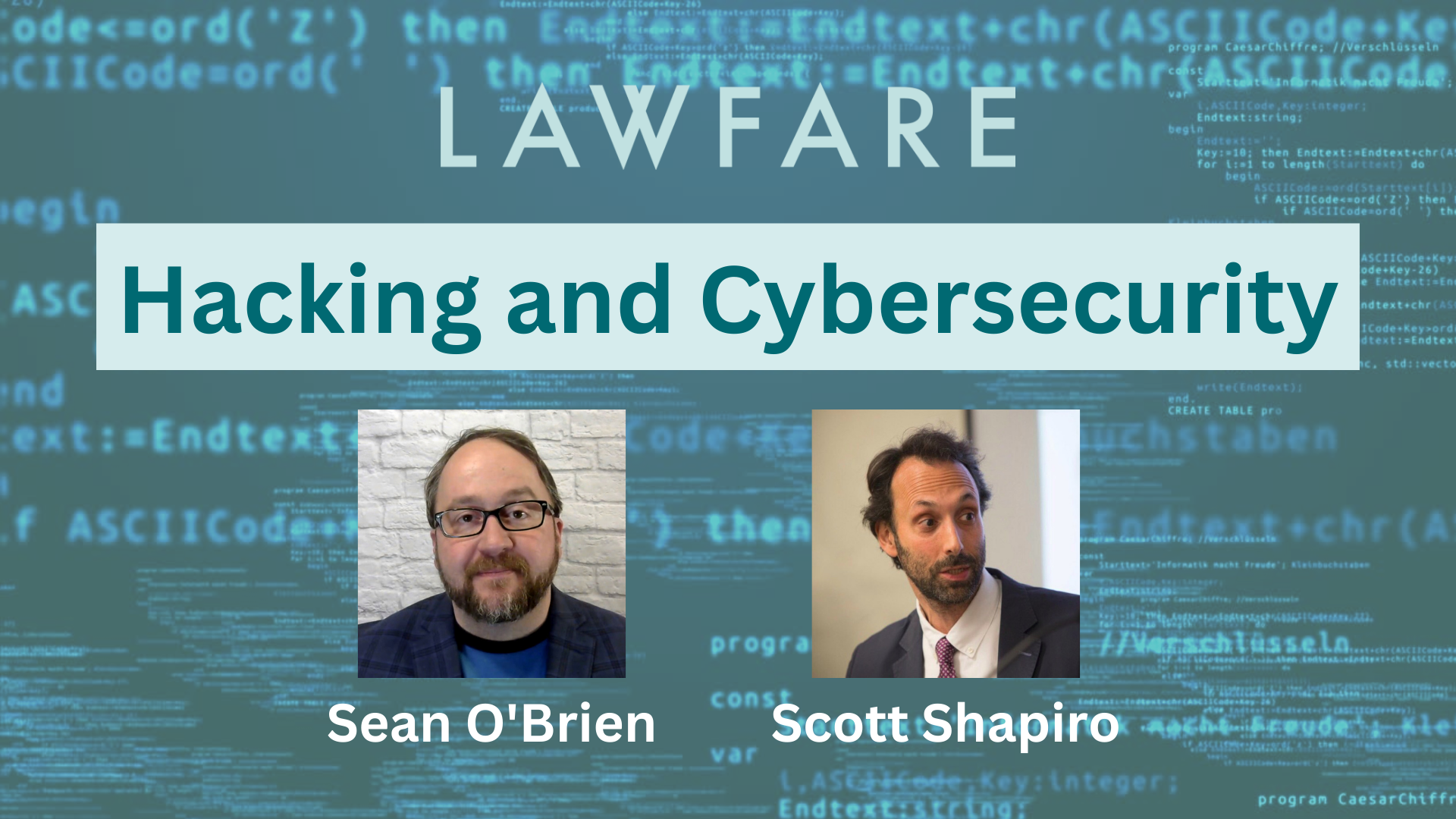
Hacking and Cybersecurity: Class 2, Get to Know Your Operating System
The second class of Lawfare's cybersecurity and hacking course is now available to the public. -
Live and Let LIV?
If the Saudis want to play golf, they must look for models outside of sports. -
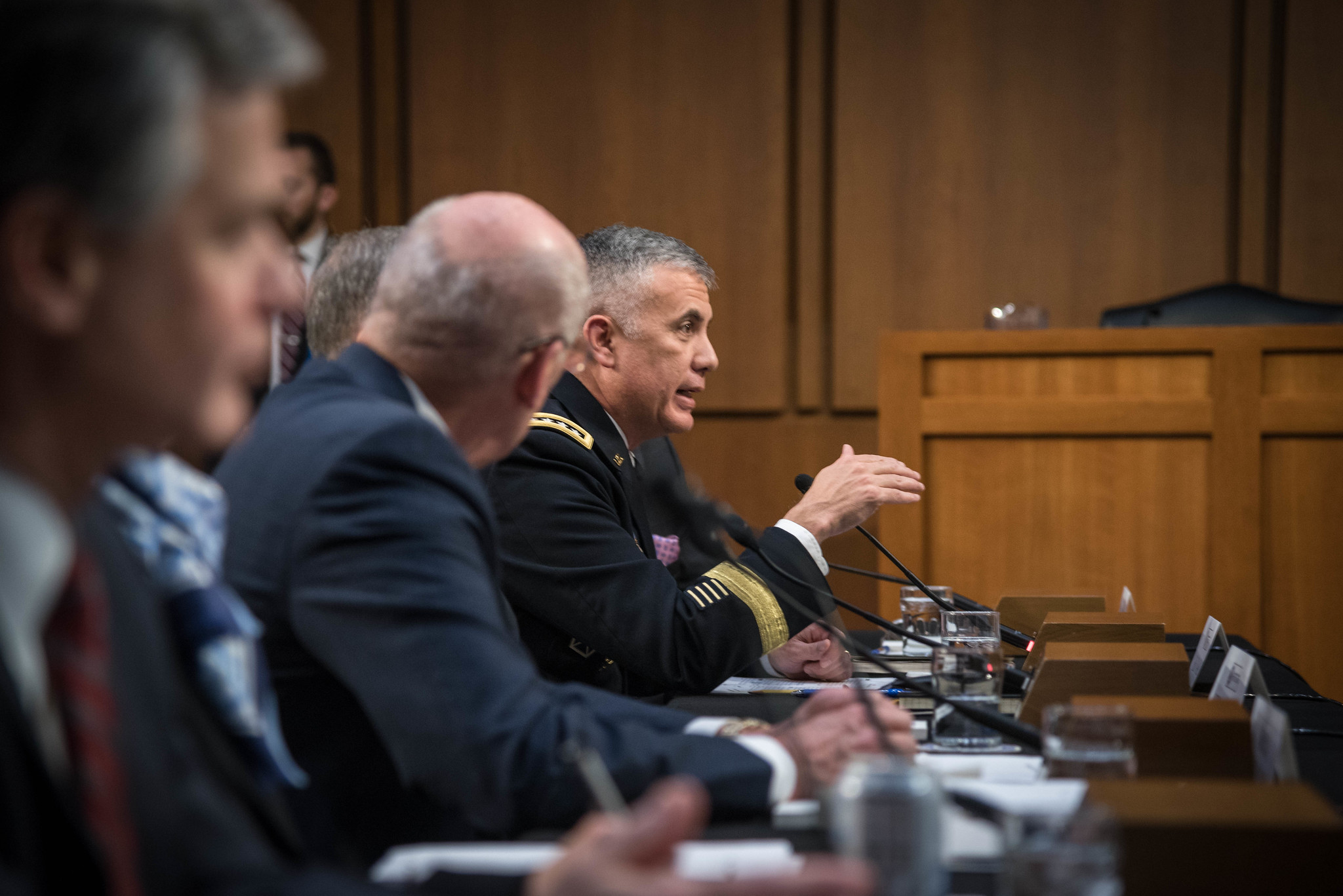
Livestream: House Judiciary Hearing on FBI Oversight
The committee is expected to question Wray on the politicization of the FBI under his direction. -
ChinaTalk: AI Beyond OpenAI
-
The Lawfare Podcast: A Louisiana Judge's Dramatic Jawboning Decision
What are the implications of a federal judge enjoining Biden administration officials from communicating with social media companies about taking down First Amendment-protected user content? -
They’ll Be in the Room Where It Happens
The grand jury is seated in Fulton County. -
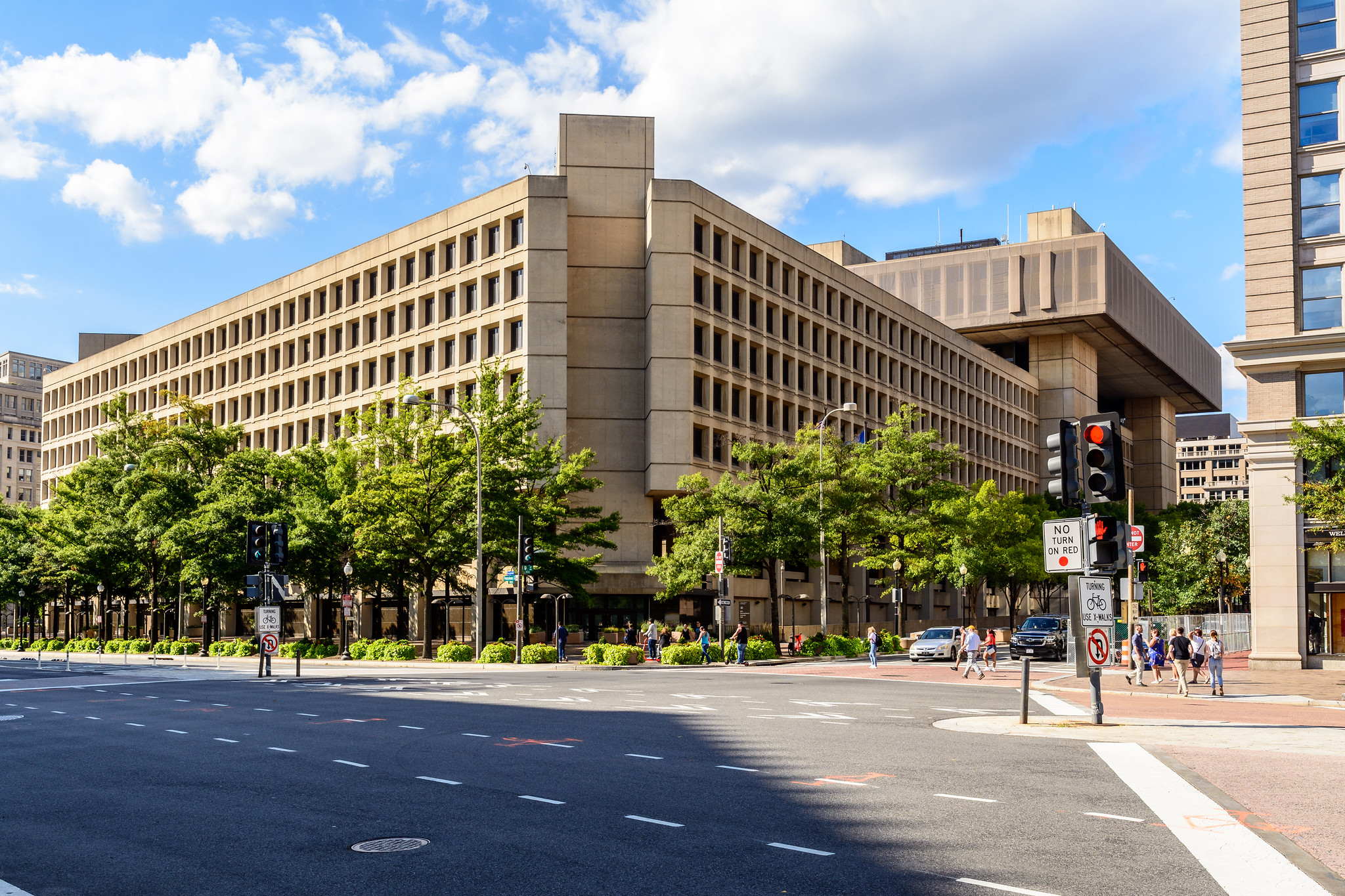
The FBI is Getting a New Headquarters. Will Americans Get a New FBI?
The move is a chance for the bureau to come to terms with its history and renew its relationship with the public it serves. -
The Lawfare Podcast: Charl van der Walt on Cyber Extortion
What are the latest trends in the ransomware-as-a-service ecosystem? -
The Cyberlaw Podcast: District Judge’s Injunction Sets Off Fireworks
-
How Tech Regulation Can Leverage Product Experimentation Results
Mandated visibility into product experimentation would allow regulators to audit platform design choices to prevent societal harm. -
The Puzzling Non-Use of Data Access Laws: The NetzDG Case
One law mandating access to data on illegal content on social media has gone unused, highlighting the need for supporting infrastructure. -
The National Security Law Podcast: We Have Many Tapestries!
-
How FBI Querying Under FISA Section 702 Works
Understanding the FBI’s new search rules regarding Americans’ communications is critical to the debate on Section 702 renewal.

_(retouched).jpeg?sfvrsn=6273fce8_5)






More Articles
-
Dispatch: In ‘Fake News’ Ban Hearing, Trump Is His Own DOJ’s Worst Enemy
The government argues CNN v. Trump is about national security. The president says it's about “bad stories.” -
Why the U.S. Military Has Never Threatened Civilian Governance
A review of “The State and the Soldier: A History of Civil-Military Relations in the United States” (Polity, 2025). -
Lawfare Daily: The U.S. Withdrawal from Iraq and the Future of the Iraq-U.S. Relationship
A panel of Iraq experts discusses what the U.S. withdrawal from Iraq means for the region.