-

Rational Security: The 'Air Quality Fuchsia' Edition
Alan, Quinta, and Scott braved the haze to talk through the week’s (very) big national security news stories. -
Chatter: Genealogy and Intelligence Analysis with Lisa Maddox
-
The Uncertainty of the Black Sea Grain Agreement: A Counterresponse
The initiative’s ambiguity amplifies its fragility and minimizes the relevance of the law of treaties. It is also the reason the deal exists. -
The Lawfare Podcast: How is Lula Doing?
Saraphin Dhanani sat down with Brian Winter to discuss how Lula has fared in his first 100 days in office, his vision for reviving Brazil’s place in the world, and the political forces he’s up against. -
ChinaTalk: NVIDIA and the Future of A
-
TechTank: How AI Disrupts Elections and Influences Voter Choices
-
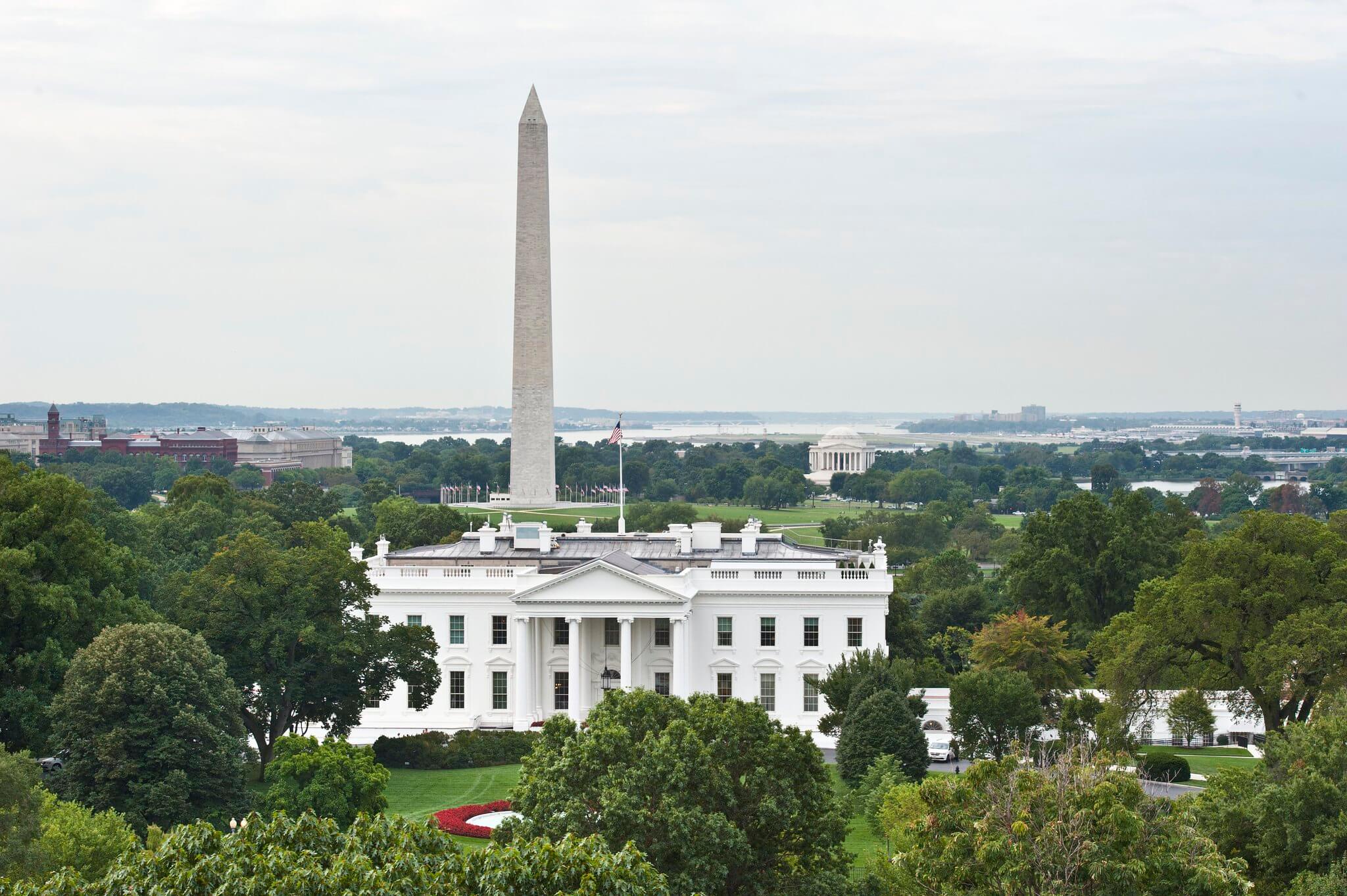
The National Cybersecurity Strategy: Breaking a 50-Year Losing Streak
The new White House strategy tackles long-standing cybersecurity problems head-on. -
The Lawfare Podcast: Catching up with Jack Smith's Mar-A-Lago Investigation
What exactly did Trump say on the tape? Did he violate the Espionage Act? How does this change Special Counsel Jack Smith’s investigations? And what does all of this mean for Trump’s reelection campaign? -
The Cyberlaw Podcast: Debating AI Regulation
-
Data Broker Registries in Bills: the ADPPA and the DELETE Act
Two bills from the previous Congress could make some data brokers register with the federal government. Here’s how they stack up. -
What ChatGPT Can and Can’t Do for Intelligence
ChatGPT is a preview of how AI will disrupt intelligence work by streamlining tasks and creating new skills. We tested how far the technology has progressed. -
The Week That Will Be
Lawfare’s weekly roundup of event announcements and employment opportunities. -
The Lawfare Podcast: Gabe Rottman on the Justice Department's New Guidelines on Press Subpoenas
Gabe Rottman of the Reporters Committee for Freedom of the Press walks us through the attorney general's new guidelines on compulsory process to members of the press in criminal and national security inv... -
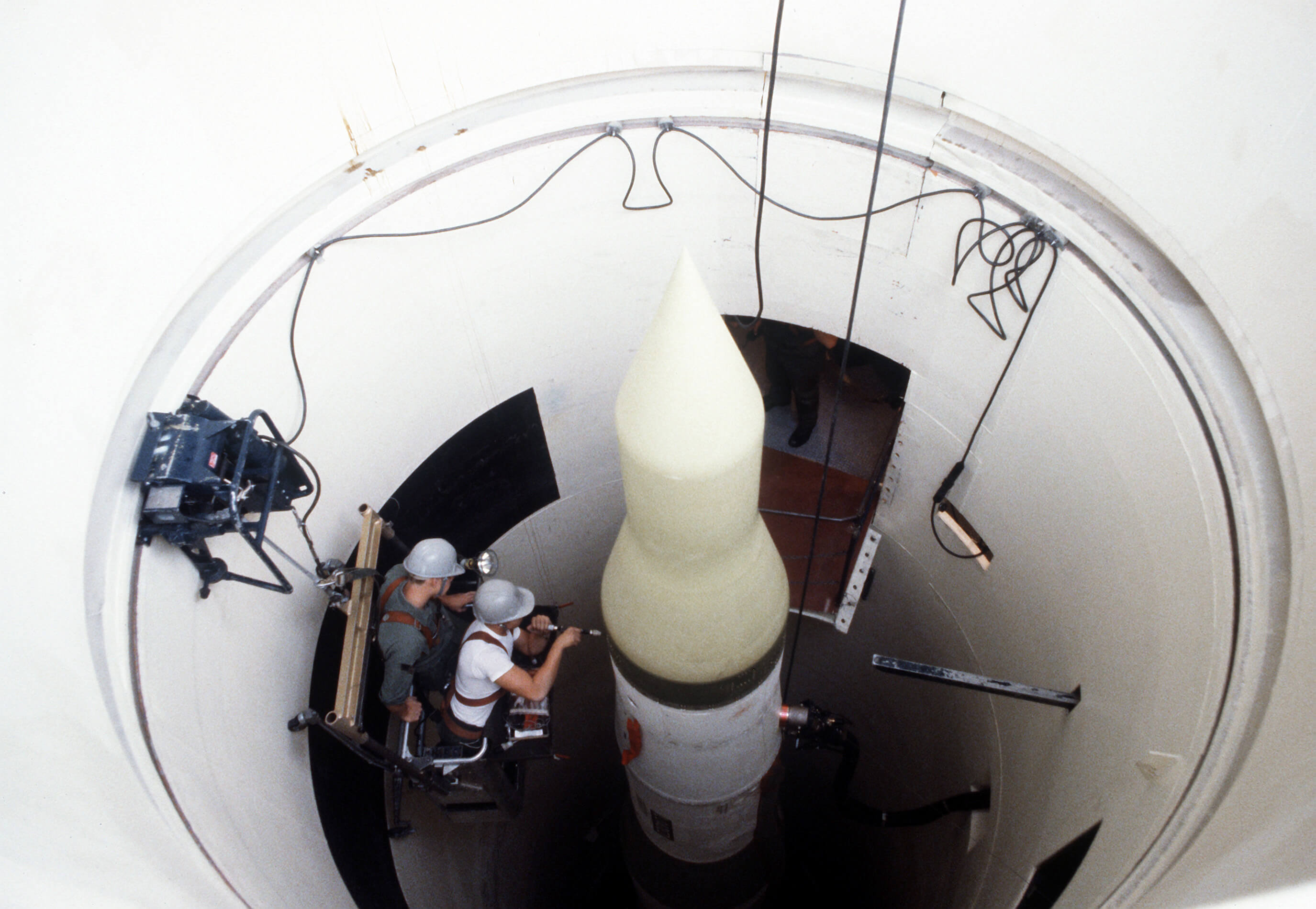
Can Congress Bar Fully Autonomous Nuclear Command and Control?
Congress may want to prevent nuclear command and control from going fully autonomous. Would such a law be constitutional? -
Not a Rose by Any Other Name: Dual-Use and Dual-Purpose Space Systems
The dual nature of many space systems has been highlighted as a threat to space security. Distinguishing between dual-use and dual-purpose is key to mitigating this. -
Palestine 1948 and Its Lessons for Displacement Today
How community social cohesion shapes population displacement, one of today’s greatest global challenges. -
The Lawfare Podcast: Ukraine Is Not Dead Yet
Lawfare Managing Editor Tyler McBrien sat down with Megan Buskey, a nonfiction writer and former Fulbright Fellow to Ukraine, who has studied and written about the country for two decades. -
The Chatter Podcast: Information Ecology with Alicia Wanless
Benjamin Wittes sat down with Alicia Wanless to discuss information ecology, her career, what's wrong with the discussion of disinformation, and more. -
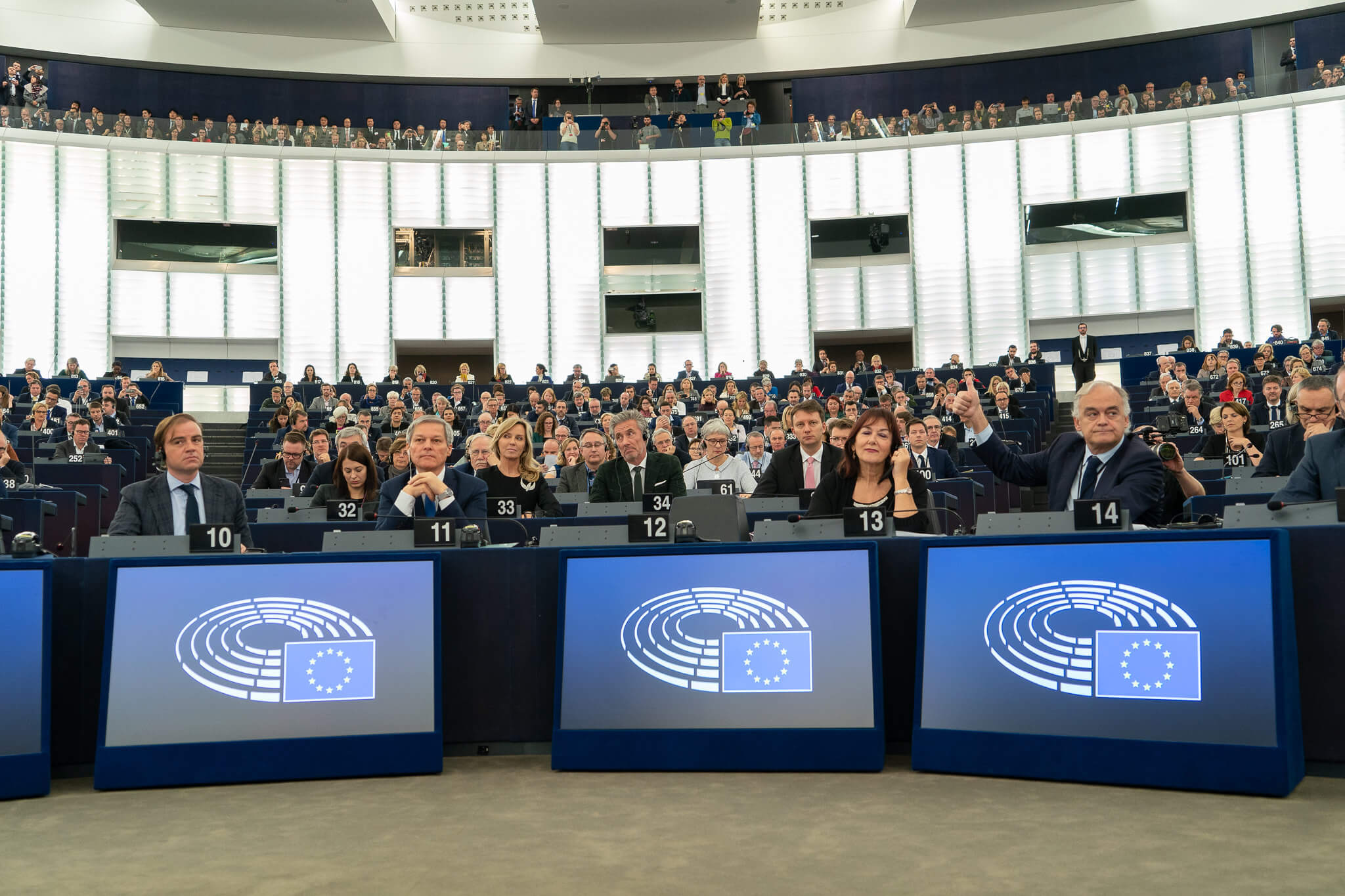
Can the European Union Still Be Trusted to Regulate the Internet?
Europe is setting itself up for failure and isolation as it seeks to appease telecom providers. -
Twenty-Five Years of White House Cyber Policies
The new National Cybersecurity Strategy builds on a long consensus but differs in important and long-overdue ways.

.jpeg?sfvrsn=ffc09566_3)
-1.jpg?sfvrsn=c86fcf0c_7)



More Articles
-
Dispatch: In ‘Fake News’ Ban Hearing, Trump Is His Own DOJ’s Worst Enemy
The government argues CNN v. Trump is about national security. The president says it's about “bad stories.” -
Why the U.S. Military Has Never Threatened Civilian Governance
A review of “The State and the Soldier: A History of Civil-Military Relations in the United States” (Polity, 2025). -
Lawfare Daily: The U.S. Withdrawal from Iraq and the Future of the Iraq-U.S. Relationship
A panel of Iraq experts discusses what the U.S. withdrawal from Iraq means for the region.