-

Scaling Laws: Live from Columbia Law with Chloé Bakalar: What Can Constitutions Teach Us About Governing AI?
-
Lawfare Daily: Two Appeals Concerning Alien Enemies Act Removals in Apparent Defiance of a Court Order
The chief ACLU litigator on Alien Enemies Act cases, Lee Gelernt, discusses two upcoming D.C. CIrcuit arguments. -
Combating Misinformation During States of Emergency
The First Circuit deals a legal setback to Puerto Rico’s attempt to regulate misinformation during states of emergency. -
After the Flood: Moving Beyond the U.S. Vulnerabilities Equities Process
The oncoming AI-driven flood of vulnerabilities demands changes to the U.S. process for retaining them for offensive cyber operations. -
Lawfare Daily: The Trials of the Trump Administration, September 18
Listen to the Sept. 18 livestream as a podcast. -
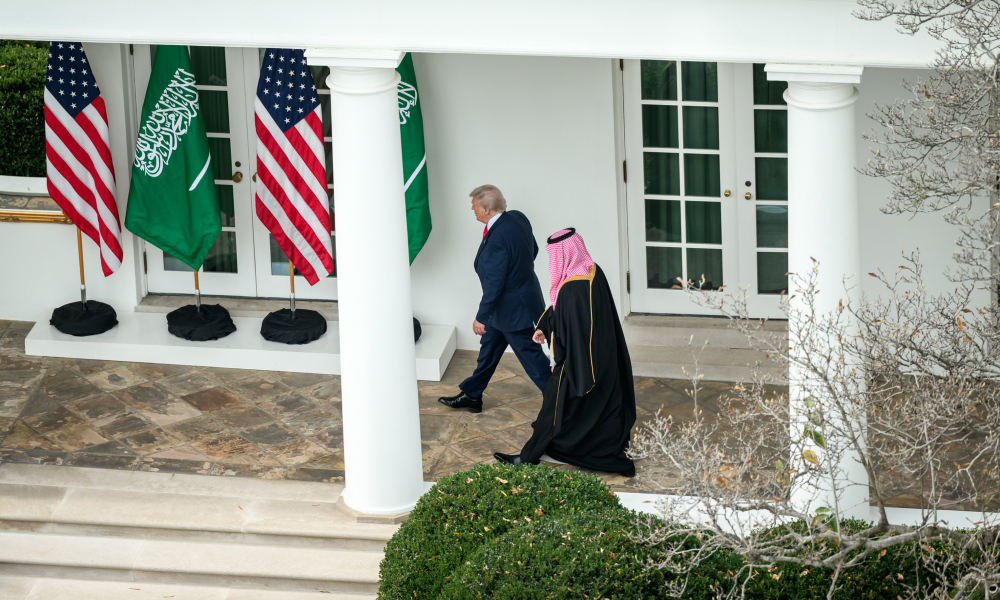
Key Questions to Prevent Enrichment and Verify Compliance
Congress must determine whether the proposed U.S.-Saudi nuclear energy agreement has adequate precautions. -
The Week That Was
Your weekly summary of everything on the site. -
What Can Be Done About Iran’s Closure of Hormuz?
Nonforcible countermeasures can help stop Iran’s closure of Hormuz without undermining freedom of navigation. -
The New Arctic
A review of Mia Bennett and Klaus Dodds, “Unfrozen: The Fight for the Future of the Arctic” (Yale University Press 2025) -
Lawfare Daily: Julia Curlee and John Sipher on John Ratcliffe’s Tenure as the Director of Central Intelligence
How have the CIA and intelligence community changed under President Trump? -
Zombie Formalism in Luxembourg
A CJEU ruling on driving-app data and online pornography quietly guts the EU's Section 230 equivalent—and the court owes Europe an explanation it hasn't given. -
Lawfare Live: The Trials of the Trump Administration, September 18
Join the Lawfare team at 4 pm ET for a discussion of the litigation surrounding the Trump administration. -
Rational Security: The “Worlds Colliding” Edition
Scott Anderson, Kevin Frazier, Roger Parloff, and Ariane Tabatabai talked through the week’s big national security news stories. -
Latin America’s Long Game: Nuclear Disarmament in the Age of AI
The answer to one of the world’s most dangerous security problems was drafted in Mexico City nearly sixty years ago. -
Lawfare Daily: Eileen Guo on Whether “the Censorship-Industrial Complex” Actually Exists
Eileen Guo discusses her research into the "censorship industrial complex." -
The Forensic Gap in AI Safety Laws
State AI laws require developers to report safety incidents—but not what investigation follows or what evidence they must keep. -
You Don't Have to Sell It to Be Bound by It: GPAI and the EU AI Act
Models never released publicly may still fall under the EU AI Act. Companies cannot assume that what stays in-house stays out of scope. -
Lawfare Daily: Far-Right Gains and a Political Reckoning in Germany
Discussing what’s going on in the German political scene. -
Why We Opted Not to Work at the AI Labs
As AI labs draw professors and students away from universities, society risks losing the expertise to govern what those labs build. -
Laundering Federal Election Interference in the Midterms
The administration has turned an unfixable fact—Chinese parts in nearly every U.S. voting machine—into a license to contest any election it loses.

.jpg?sfvrsn=6a13c957_5)




-(1)-(1).png?sfvrsn=1bc11cd_4)

More Articles
-
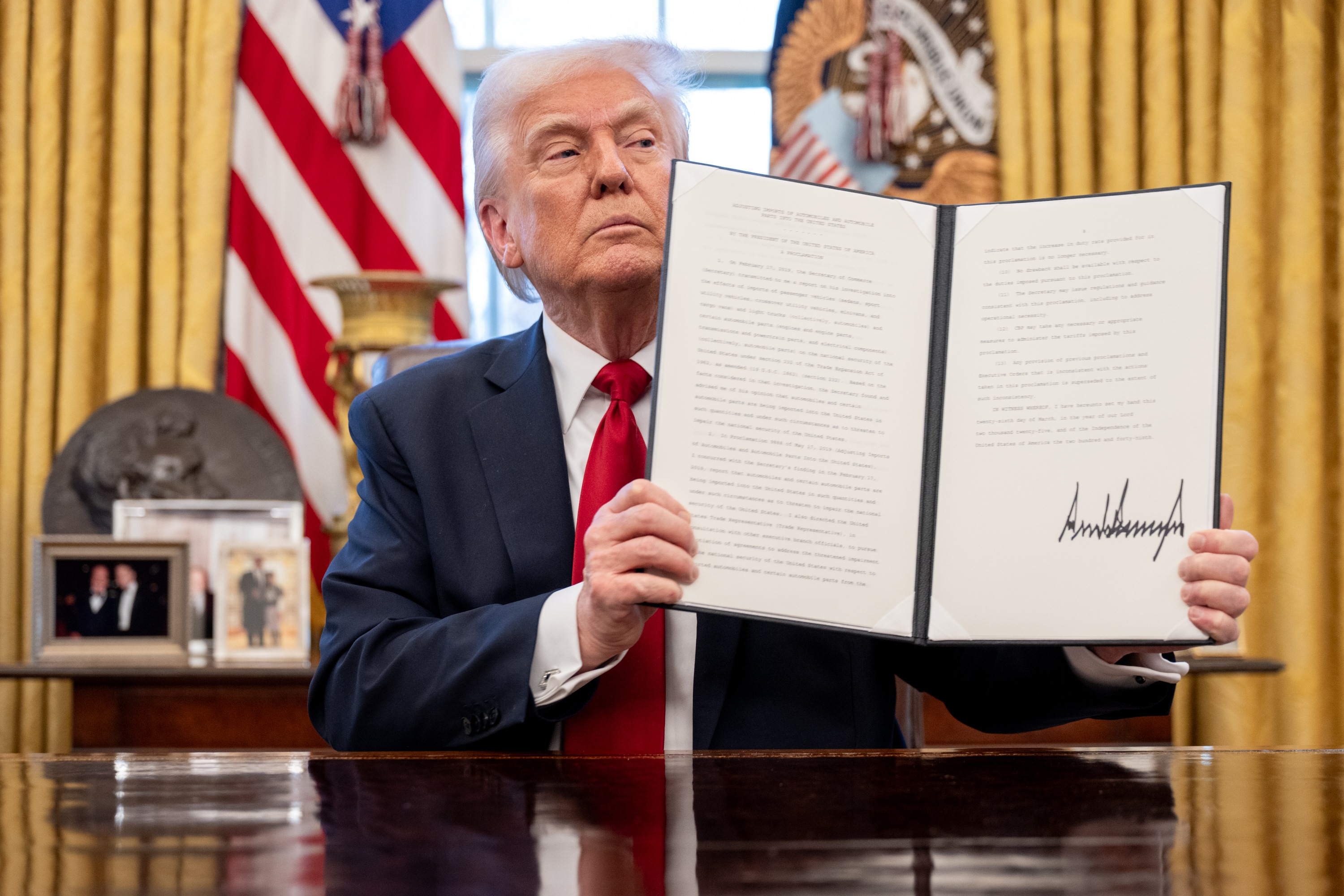
The President Doesn’t Have Unlimited Power to Impose Import Bans
Contrary to Trump’s claims, executive power to impose import bans is constrained by most of the same legal restrictions as the power to impose tariffs. -
Production, Persuasion, and Power: How Generative and Agentic AI Are Transforming Influence Operations
Generative AI can increase the quantity and quality of malign foreign influence campaigns. However, questions remain as to whether these campaigns influence public opinion. -
Lawfare Daily: The Trials of the Trump Administration, October 2
Listen to the October 2 livestream as a podcast.