Foreign Relations & International Law
Latest in Foreign Relations & International Law
-

What Can Be Done About Iran’s Closure of Hormuz?
Nonforcible countermeasures can help stop Iran’s closure of Hormuz without undermining freedom of navigation. -
The New Arctic
A review of Mia Bennett and Klaus Dodds, “Unfrozen: The Fight for the Future of the Arctic” (Yale University Press 2025) -
Latin America’s Long Game: Nuclear Disarmament in the Age of AI
The answer to one of the world’s most dangerous security problems was drafted in Mexico City nearly sixty years ago. -
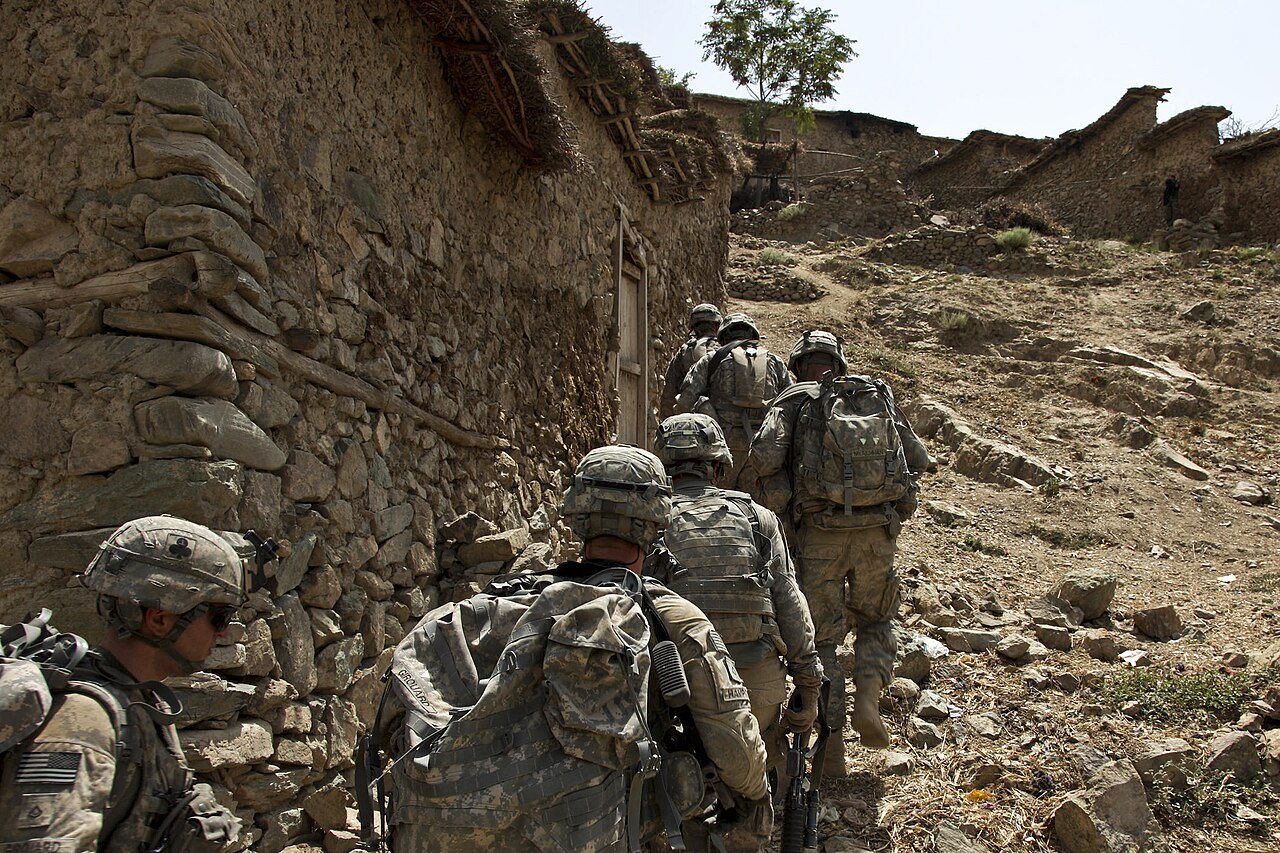
The 25th Anniversary of the 2001 AUMF
It’s not terribly important today. -
The Unexpected Emergence of the EU as a U.S. Counterterrorism Partner
How the U.S. and the EU built law enforcement and counterterrorism information sharing in the wake of 9/11. -
Rational Security: The “Fifth Anniversary Hot Take Takedown” Edition
Scott Anderson celebrated the fifth anniversary of Rational Security 2.0 with the return of co-hosts emeriti Shane Harris, Quinta Jurecic, and Benjamin Wittes. -
Lawfare Daily: Why Autocrats Hate Cities with Ambassador Nina Hachigian
What U.S. mayors can learn about resisting autocracy from their counterparts abroad? -
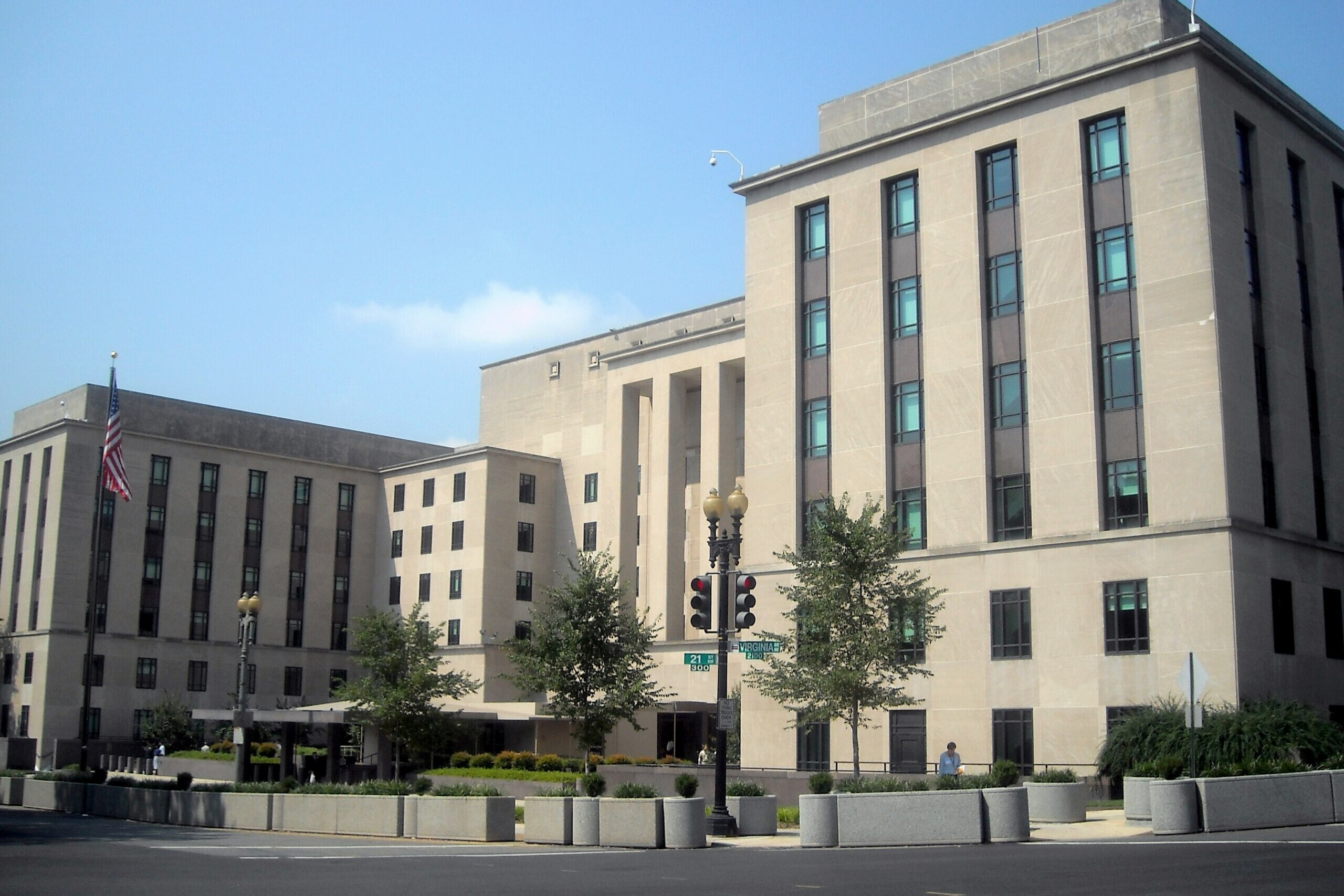
Why We’re Suing the State Department Over International Agreements
Lawfare is suing to bring transparency back to international agreements—and you can help. -
America Must Protect Its Training Data
AI training data built by U.S. firms is being sold to Chinese labs and powering their models. U.S. policymakers can use existing law to stop these sales. -
Open-Weight Diplomacy: How China’s AI Models Are Rerunning the Digital Silk Road
China's “free” AI models are rerunning Huawei’s telecom playbook: Give the weights away, sell the stack around it, own the dependency. -
The ‘Covered List’: A Fraud Claimed ‘National Security’
A tool built to block Huawei and Hikvision now bans drones, routers, and solar inverters—undermining the security it was meant to protect. -
Persistent Engagement and the Illusion of Cyber Equilibrium
Strategies built to disrupt cyber adversaries may impose costs but are unlikely to lead to long-term stability.



-1.jpg?sfvrsn=dd1c6b99_5)


Topics