Latest in Foreign Relations & International Law
-

Lawfare Daily: Iran Protests and Internet Shutdown
What is going on in Iran? -
Latest NDAA Supports AI Safety, Innovation, and China Decoupling
This year’s defense bill made many significant changes to U.S. AI policy. -
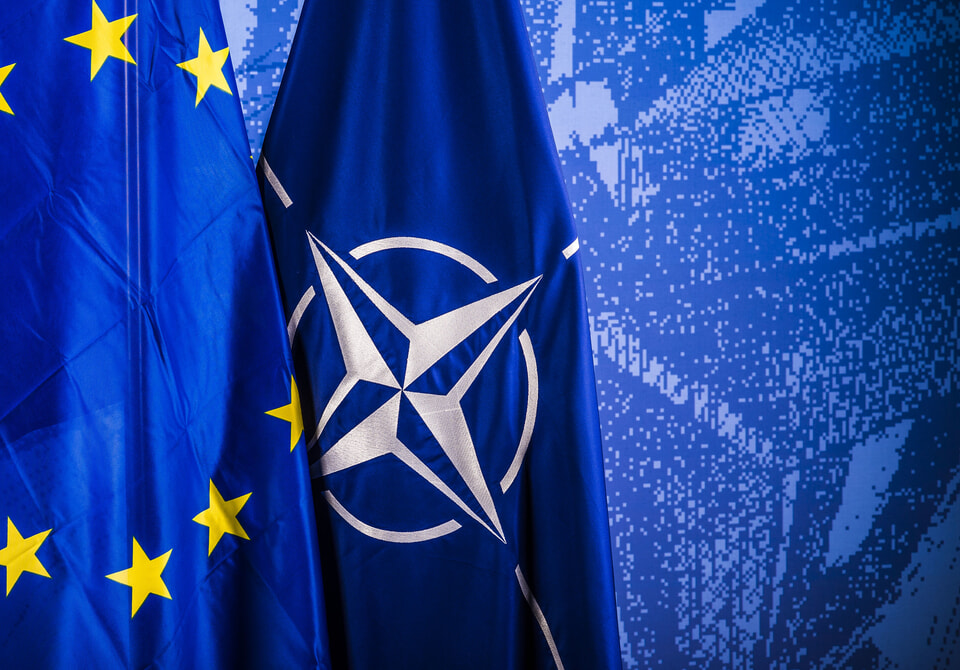
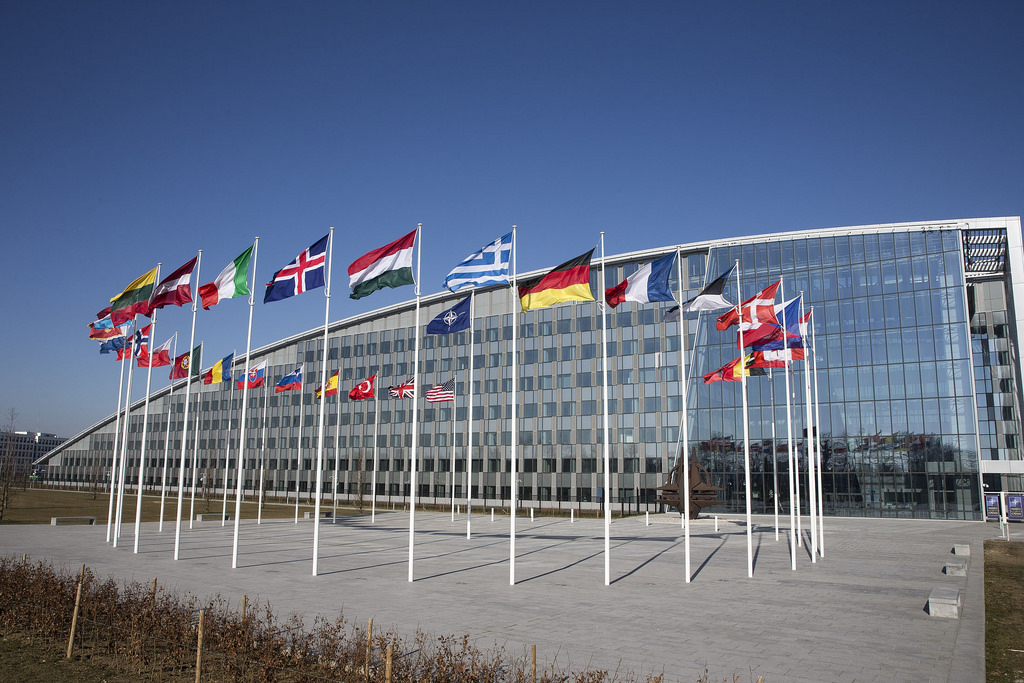
NATO’s Loss Is Russia’s Gain
Russia is reaping the benefits while the United States undermines NATO from within. -
Lawfare Daily: The U.S. Plan for Venezuelan Oil Revenue
What is the U.S. plan for managing Venezuelan oil and why is Qatar involved? -
Understanding Global AI Governance Through a Three-Layer Framework
Global AI governance is increasingly complex and fragmented. The three-layer framework of internet governance can yield powerful insights. -
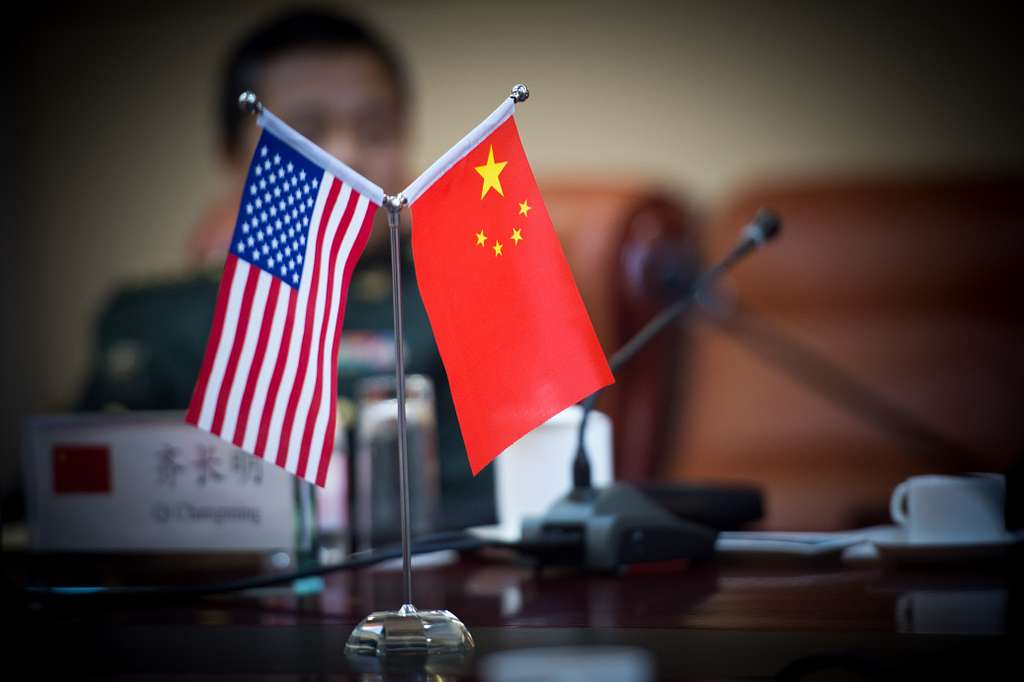
Another Misstep in U.S.-China Tech Security Policy
The Trump administration gutted another office tackling Chinese tech threats—national security missteps that will be difficult to untangle. -
Unpacking the Trump Administration’s Plans for Venezuela’s Oil Revenue
There’s more logic to it than meets the eye. -
The Situation: Cheating on The Situation
On the irrational guilt of being far away when the country is in crisis. -
The National Security Strategy and the Maduro Operation: A Coherent Mess
As framed by the NSS, the Maduro raid trades international law for a retro-imperialist and ethno-nationalist agenda. -
The United States Without Europe
How a shattered NATO would undermine U.S. security. -
Lawfare Daily: Trump, Greenland, and the International Order
What are the long-term implications of President Trump's threats to annex Greenland? -
The State of FARA
State legislatures are increasingly regulating foreign influence, which could mean greater compliance burdens for companies and nonprofits.


-2.jpg?sfvrsn=f979c73d_6)
.jpg?sfvrsn=407c2736_6)
Topics