Latest in Foreign Relations & International Law
-

The United States Faces a Test on Guantánamo Bay in Geneva
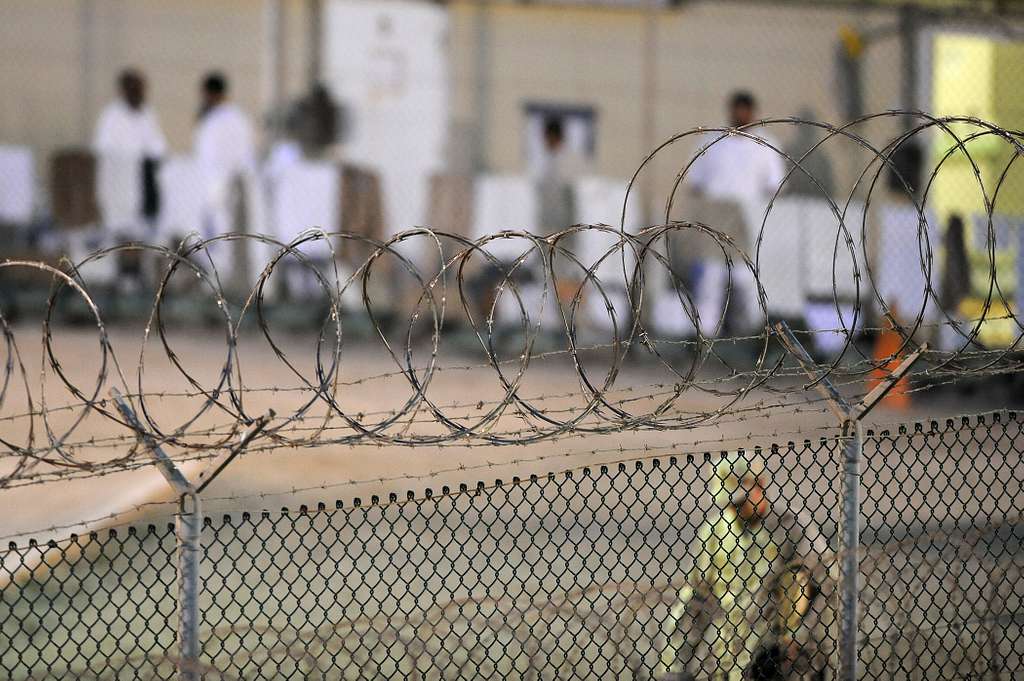
The United States has excluded most law from Guantánamo Bay for decades. It should reverse that position now and provide medical care for its declining detainees. -
The Hamas Attack Is Israel’s 9/11, Yet the Country Must Trace the Differences and Legal Pitfalls
Many are comparing the current conflict to 9/11. What are the differences, and what are the dangers of such a comparison? -
The REPO Act: Confiscating Russian State Assets Consistent With U.S. and International Law
The REPO Act is a timely, carefully constructed bipartisan bill that signals that the U.S. is prepared and willing to take on a leadership role for an economic counteroffensive to support Ukraine. -
Chatter: Manic Depression and Crisis Leadership with Nassir Ghaemi
Is the conventional wisdom that countries should not be run by those suffering from mental illness right? -
Gender Apartheid and Occupying Us to Freedom
In light of Taliban policies, prominent voices are calling for the codification of gender apartheid as a crime against humanity. Beware of its consequences. -
Livestream: President Biden Delivers Remarks on Hamas Attacks on Israel
Watch President Biden's statement on the recent attacks on Israel. -
The Lawfare Podcast: Taiwan, War Powers, and Constitutional Crisis with Scott R. Anderson
What is the United States' attitude toward China and Taiwan? -
The Dangers of Peak China
China's meteoric rise is faltering, but rather than tempering Beijing's ambitions, the country's slowing economic growth might encourage more aggressive policies. -
The Afghan Fund: the Limits of Sovereign Immunity & Recognition Law
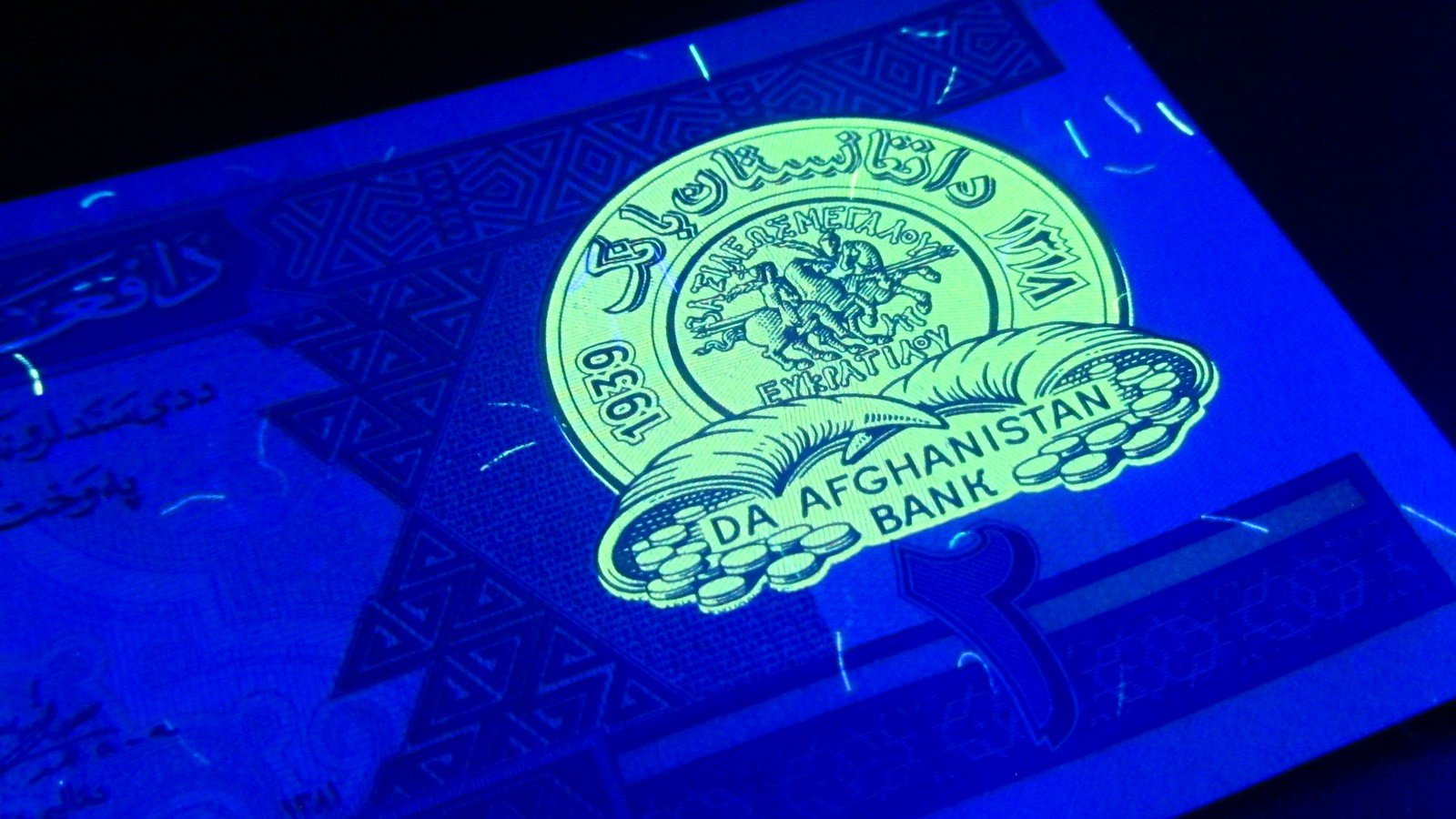
The U.S. is holding $3.5 billion of Afghan central bank assets in a trust fund—potentially violating bedrock international legal principles. -
Water Wars: U.S. and China Tug-of-War for Influence in Pacific Islands
A historic summit between U.S., Japan, and South Korea; China’s minister of defense reportedly relieved of command for corruption; and more. -
ChinaTalk: Kurt Campbell on Grand Strategy and US-China
-
The Missing Piece in America’s Strategy for Techno-Economic Rivalry with China
Pooling market demand with like-minded partners to reduce dependence on China






Topics